Why Bodyweight Leg Exercises Matter: Science-Backed Benefits
Muscles Targeted and Functional Strength
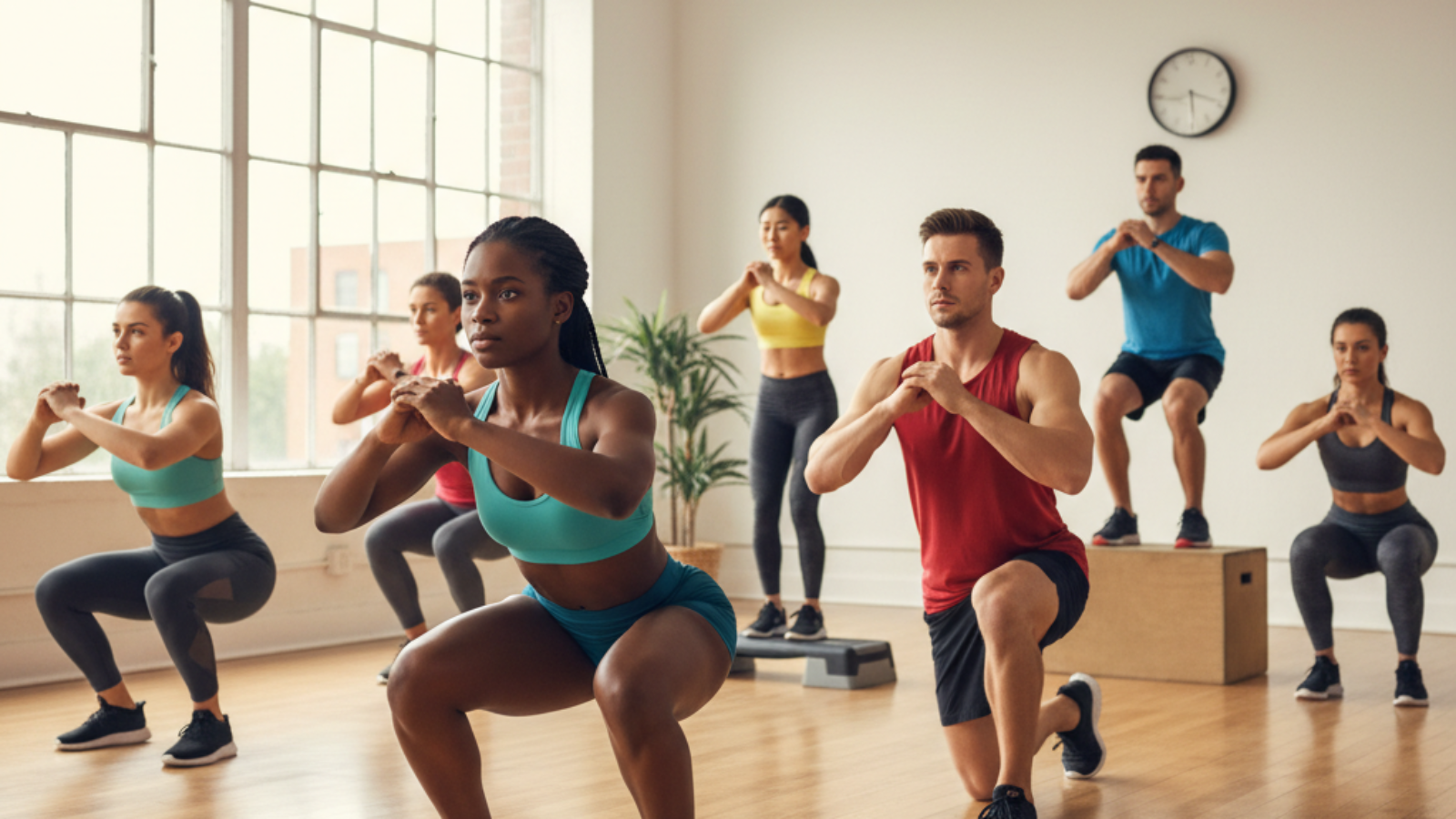
Bodyweight leg exercises strengthen many muscles, including your quadriceps, hamstrings, glutes, calves, and hip flexors. Building these muscles improves balance, stability, and daily movement. Effective leg training supports everything you do, from walking to running and jumping. Using just your body weight helps develop real-world strength and body control.
Bodyweight vs. Weighted Leg Training: Research Insights
Studies show that bodyweight leg training can build muscle, boost endurance, and improve flexibility. While weighted exercises are great for adding bulk, bodyweight routines are safer and lower-impact, and they demand more joint-friendly mobility, making them perfect for any level.
How Bodyweight Leg Workouts Support Longevity and Mobility
Regular bodyweight leg exercises help you move better as you age. They increase joint range, protect knees and hips, and reduce injury risk. These exercises also keep your lower body strong without putting extra pressure on your spine or joints, supporting health and independence long-term.
Getting Started: Preparing for Bodyweight Leg Training
Essential Warm-Up for Safe Bodyweight Leg Exercises
- March in place or jog lightly for 1-2 minutes to raise heart rate.
- Perform arm swings and leg swings (10 each side) to loosen joints.
- Try 10 bodyweight squats at a slow pace to warm your muscles.
- Add gentle lunges (5 each leg) to prepare your hips and knees.
Warming up properly helps prevent injuries and gets your lower body ready for exercise.
Movement Screening and Self-Assessment
- Stand tall and try to touch your toes. Can you do it comfortably?
- Perform a bodyweight squat. Do your heels stay on the ground? Does your back stay straight?
- If you feel pain or can’t perform these safely, adjust your technique or start with limited depth.
Assessing your mobility ensures you practice leg training with proper form and avoid risks.
Setting Goals: Strength, Hypertrophy, Endurance, or Athleticism?
- Strength: Aim for fewer reps and slower movements.
- Hypertrophy (muscle growth): Use moderate reps and controlled form.
- Endurance: Higher reps with shorter rests.
- Athleticism: Mix in agility, speed, and dynamic movements.
Clear goals help you choose the best bodyweight leg exercises for your needs.
Top Bodyweight Leg Exercises Explained Step by Step
Squats (Variations and Progressions)
- Standard Squat
- Stand with feet shoulder-width apart.
- Bend knees and lower hips as if sitting back in a chair.
- Keep chest up, back flat, and knees behind toes.
- Lower until thighs are parallel to floor, then push up.
- Breathe in as you lower, out as you stand.
- Progressions: Try narrow squats, wide squats, or add pulses at the bottom.
Lunges (Including Reverse, Lateral, and Walking Lunges)
- Forward Lunge
- Stand tall, step one foot forward, bend both knees to 90 degrees.
- Back knee hovers above floor, front knee stays above ankle.
- Push back to start, switch legs.
- Reverse Lunge: Step back and lower; return to start.
- Lateral Lunge: Step to the side, bend one knee, keep other leg straight.
- Walking Lunge: Move forward, alternating legs.
Glute Bridges and Hip Thrusts
- Lie on your back, feet flat, knees bent, arms at your sides.
- Push through heels, lift hips toward ceiling.
- Squeeze glutes at top, hold 1-2 seconds, lower slowly.
- Breathe out as you lift, in as you lower.
Progress to single-leg bridges for more challenge.
Step-Ups and Bulgarian Split Squats
- Step-Ups
- Find a sturdy chair or bench.
- Step one foot up, push through heel to lift body up.
- Step down slowly, switch legs.
- Bulgarian Split Squat
- Place one foot behind you on a bench or chair.
- Lower front leg until thigh is parallel to floor.
- Push back up. Switch legs after set.
Calf Raises and Single-Leg Progressions
- Stand with feet hip-width apart, hands on wall or chair for balance.
- Rise up onto toes, pause, lower slowly.
- For more challenge, use one leg at a time.
Healthy calves protect your ankles and support powerful leg training.
Mobility-Strength Combos: Cossack Squats, Pistol Progressions
- Cossack Squat
- Stand wide, shift weight to one side, bend knee deeply while other leg stays straight.
- Keep chest up; repeat on opposite side.
- Pistol Squat Progression
- Start with supported pistol squats using a chair or wall for balance.
- Lower slowly on one leg, keeping free leg in front.
- Go as low as you can with control, then push up through heel.
Programming Bodyweight Leg Workouts for Progress
Structuring Sets, Reps, Rest, and Tempos for Your Goal
- Strength: 3-5 sets, 5-8 reps, 90 seconds rest, slow lowering phase (3s down).
- Hypertrophy: 3-4 sets, 8-15 reps, 60 seconds rest, controlled movements.
- Endurance: 2-3 sets, 15-25 reps, 30 seconds rest, steady pace.
- Athleticism: Mix jump squats, skater hops, and agility drills; focus on quality not just reps.
Sample Routines: Beginner, Intermediate, Advanced
| Level | Exercises | Sets x Reps |
|---|---|---|
| Beginner | Bodyweight squats, glute bridges, step-ups | 2 x 10-12 each |
| Intermediate | Bulgarian split squats, walking lunges, single-leg glute bridges | 3 x 8-12 each |
| Advanced | Pistol squat progressions, plyometric lunges, Cossack squats | 3-4 x 6-10 each |
Training Splits for Strength, Hypertrophy, Endurance, and Balance
- Strength: 2-3 leg sessions per week, focus on single-leg work.
- Hypertrophy: Alternate between squat and lunge variations.
- Endurance: Perform circuit routines, minimize rest.
- Balance: Mix lower and upper body, include core training.
Incorporating Unilateral and Isometric Drills
- Unilateral (one-legged) moves improve stability and muscle balance. Include single-leg squats and lunges.
- Isometric holds—like holding the bottom of a squat—boost muscle endurance and control.
Level Up: Advanced Bodyweight Leg Exercise Variations
Single-Leg Squat Progressions (Pistols, Shrimp Squats)
- Pistol Squat: Practice lowering yourself on one leg, holding onto a rail for support if needed. Build range and control before going lower.
- Shrimp Squat: Grip your back ankle, squat down on one leg, knee touches floor, push up with balance.
Explosive and Plyometric Moves (Jump Lunges, Skater Hops)
- Jump Lunge: Lunge down, then explode upward, switching legs mid-air. Land softly.
- Skater Hop: Jump side-to-side, landing on one foot, sweep other leg behind for stability.
Plyometrics develop speed, coordination, and lower-body power.
Advanced Balance and Mobility Challenges
- Use single-leg balance drills—stand on one foot with eyes closed.
- Add deep squat holds or slow-motion moves for extra mobility challenge.
How to Combine Mobility, Flexibility, and Strength
- Include dynamic stretching before every leg training session.
- Add active mobility moves like Cossack squats during warm-up or cool-down.
- Finish sessions with static stretches: hamstrings, quads, and calves.
Troubleshooting & Injury Prevention in Bodyweight Leg Training
Common Pain Points: Knees, Hips, Low Back
- Avoid knees going far in front of toes during squats and lunges.
- Keep core tight to reduce back strain.
- If you feel sharp pain, stop and reassess your form or range.
Technique Fixes and Pro Tips for Longevity
- Keep heels flat and core braced during all bodyweight leg exercises.
- Move slowly—focus on quality, not just speed or rep count.
- Record yourself or use a mirror to spot and correct mistakes in leg training.
Science-Driven Warm-Up and Recovery Strategies
- Always start with dynamic warm-ups; finish with gentle stretching.
- For recovery, use foam rolling on thighs and glutes, and walk lightly after workouts to reduce soreness.
When to Progress, Modify, or Deload
- Progress by adding reps, sets, or harder variations once current exercises feel easy.
- Modify workouts or use supports if you experience discomfort.
- Deload (reduce intensity) every 4-6 weeks to let your legs recover fully.
Frequently Asked Questions About Bodyweight Leg Exercises (2026)
- Q: How often should I train my legs with bodyweight leg exercises?
A: Aim for 2-4 times per week depending on your goals and recovery. - Q: Can bodyweight leg training build real muscle?
A: Yes, especially if you use advanced variations and train regularly. - Q: Is leg training without weights safe for my joints?
A: Yes, if you use good form and progress gradually. - Q: What should I do if I hit a plateau?
A: Change your routine, try new exercises, or add plyometrics to boost challenge.
Bodyweight leg exercises are effective, safe, and accessible for everyone. With regular practice, you can improve strength, mobility, and endurance. Whether you’re a beginner or an advanced athlete, mastering bodyweight leg training will benefit your fitness and health for years to come. Start with the basics, focus on great form, and build up to new challenges as you grow stronger.