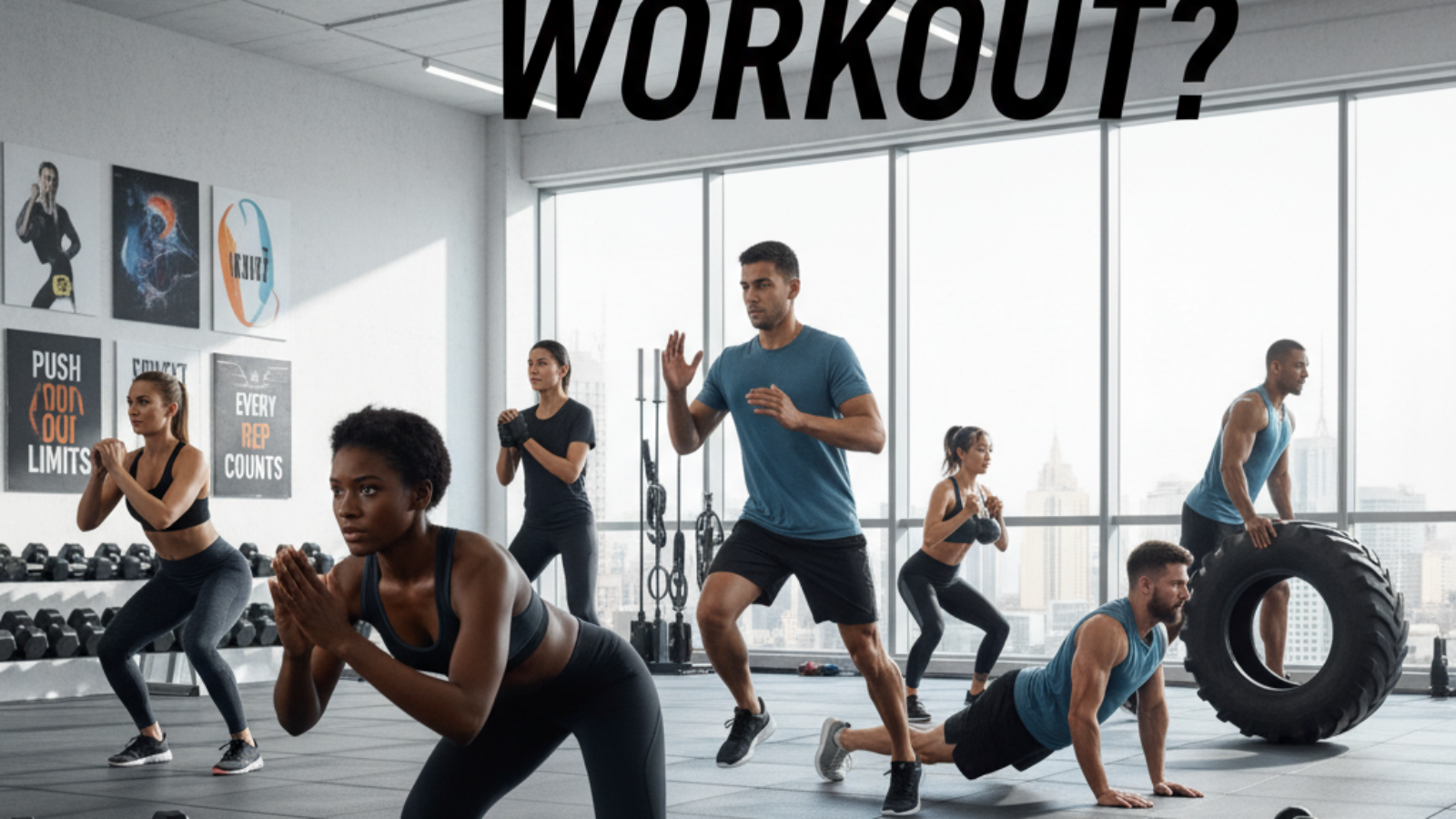
Understanding HIIT: What Is a High-Intensity Interval Training Workout?
HIIT Explained: The Science and Benefits
HIIT stands for High-Intensity Interval Training. It is a workout style where you do very hard exercise for a short time, then rest or do light exercise. You repeat this cycle several times. Science shows that HIIT pushes your heart and muscles, helping you get fit fast. It’s popular because you can get results in less time.
HIIT in 2026: Modern Approaches and New Trends
In 2026, HIIT now includes new formats and uses the latest technology. More people combine HIIT with smart apps and fitness trackers. Modern HIIT can be done anywhere, with bodyweight or simple tools like dumbbells or bands.
The Benefits of HIIT Workouts for Every Goal
Fat Loss, Muscle Building, and Cardio Fitness
HIIT is great for burning fat. It keeps your body working even after exercise. It also helps build muscle because many HIIT moves use your full body. Plus, HIIT greatly improves your heart and lung fitness. This means stronger muscles and better health.
HIIT for Health and Longevity: Heart, Brain, and More
Doing HIIT can lower your risk of heart disease. It helps control blood sugar and boosts brain health. HIIT is linked to living longer and staying healthy as you age.
How to Do an HIIT Workout: Step-by-Step for Beginners and Beyond
Getting Started: HIIT Fundamentals
- Pick 4-6 exercises that use large muscles (like squats, push-ups, burpees).
- Set your interval: 20-40 seconds of hard work, then 10-30 seconds of rest.
- Repeat the cycle for 15-30 minutes.
- Always include warm-up and cool-down (see below).
How to Choose the Right HIIT Format (Tabata, AMRAP, EMOM, etc.)
- Tabata: 20 seconds work, 10 seconds rest, 8 rounds per exercise.
- AMRAP (As Many Rounds As Possible): Do as much as you can in a set time.
- EMOM (Every Minute On the Minute): Start a move at the top of each minute.
- Pick the one that matches your time and goal.
Essential Warm-Up and Cool-Down for HIIT
- Warm-up: 5 minutes of light cardio (jog, jumping jacks) and dynamic stretches (arm circles, leg swings).
- Cool-down: 3-5 minutes of easy walking and gentle stretches for the muscles you used.
Personalizing Your HIIT Workout for Different Fitness Levels and Goals
Customizing HIIT for Beginners, Intermediate, and Advanced
- Beginners: Choose simple moves (bodyweight squats, marches).
- Intermediate: Add more complex exercises and increase work intervals.
- Advanced: Use weights, jump moves, or make intervals longer.
HIIT for Weight Loss vs. Building Strength or Endurance
- Weight loss: Focus on full-body moves and shorter rests to keep your heart rate high.
- Strength: Include weighted exercises and longer rests to lift heavier.
- Endurance: Use longer work intervals and combine cardio and strength training.
Adapting HIIT for Different Age Groups and Health Considerations
- Teens: Use bodyweight moves, focus on good form.
- Adults: Adjust intensity and rest as needed.
- Seniors: Use lower impact options (step touches, seated moves). Always check with a doctor if unsure.
At-Home vs. Gym HIIT: Maximizing Results in Any Setting (2026 Update)
Bodyweight HIIT Routines: No Equipment Required
You can do HIIT at home with no equipment. Try squats, lunges, mountain climbers, push-ups, and jumping jacks. No gear needed, just a little space and some willpower.
Incorporating Equipment: Dumbbells, Bands, and More
Add dumbbells for extra challenge. Resistance bands or kettlebells can make moves harder and target new muscles. Use a skipping rope or box for variety.
Using Smart Tech and AI Fitness Apps for HIIT (Latest Tools in 2026)
Modern HIIT uses AI fitness apps to track progress and create new workouts. Many smartwatches and fitness trackers now have HIIT modes. These tools help you keep the right intensity and track how hard you work.
HIIT Workout Examples and Templates for Every Need
15-Minute, 20-Minute, and 30-Minute HIIT Templates
| Length | Work/Rest | Example Moves |
|---|---|---|
| 15-Minute | 30s on/30s off | Squats, Push-ups, Lunges, Plank |
| 20-Minute | 40s on/20s off | Jumping Jacks, Burpees, Mountain Climbers, Sit-ups |
| 30-Minute | 45s on/15s off | High Knees, Dumbbell Rows, Glute Bridge, Russian Twist |
Cardio HIIT vs. Strength HIIT: Routines and Protocols
- Cardio HIIT: Focus on jumping jacks, sprints, high knees.
- Strength HIIT: Use moves like push-ups, squats, rows with or without weights.
- Mix both for total-body fitness.
Modifications for Mobility, Space, or Injury
- Bad knees? Swap jump squats for regular squats.
- Limited space? Do standing moves or use just a mat.
- Injury? Focus on moves that don’t hurt. Always ask a doctor if you’re unsure.
How to Progress and Advance Your HIIT Training Over Time
Structuring Your HIIT Program: Weeks and Phases
- Start with 2 workouts per week.
- Add more days or longer sessions as you get fit.
- Change moves or formats every few weeks to keep it fresh.
Increasing Intensity Safely and Effectively
- Add more rounds or sets.
- Shorten rest times.
- Use harder moves or add weights.
- Listen to your body and rest if you feel pain.
Tracking Progress and Avoiding Plateaus
- Write down your workouts and how you feel.
- Use an app or notebook to log times, moves, and weights.
- If you stop seeing results, try new exercises or formats.
The Latest HIIT Science, Research, and Myths (2026 Update)
What New Studies Reveal About HIIT in 2026
Recent research shows HIIT works well for almost everyone. It helps people lose fat, improve heart health, and even boost mood. New studies show it is safe with the right plan and recovery.
Common Myths and Mistakes to Avoid
- Myth: HIIT is only for athletes. Fact: Anyone can start at their own level.
- Myth: More is always better. Fact: Rest and good form are important for results and safety.
- Mistake: Skipping warm-up or cool-down can cause injury.
Safety Tips and FAQs for HIIT Beginners and Enthusiasts
- Always warm up and cool down.
- Drink water before, during, and after.
- If you’re new, start slow.
- Listen to your body. Rest if you feel dizzy or extremely tired.
FAQ: Everything You Need to Know About HIIT Workouts in 2026
- How often should I do HIIT? 2-4 times a week is enough for most people.
- How long should my HIIT session be? 15-30 minutes works well for most fitness goals.
- Can I do HIIT if I’m a beginner? Yes! Start with easy moves and longer rests.
- Do I need equipment? No, but you can add weights, bands, or cardio machines if you like.
- Is HIIT safe for all ages? With the right plan and medical check if needed, HIIT can work for most people.
Conclusion: Key Points and Next Steps
- HIIT is a powerful, flexible workout for burning fat, building muscle, and boosting health.
- Easy to do at home or gym, with or without equipment.
- Use smart tools in 2026 to get more from every session.
- Start simple, stay safe, enjoy the challenge, and watch your fitness improve!
- Your next step: Try one of the templates above and see how HIIT can jump-start your journey!