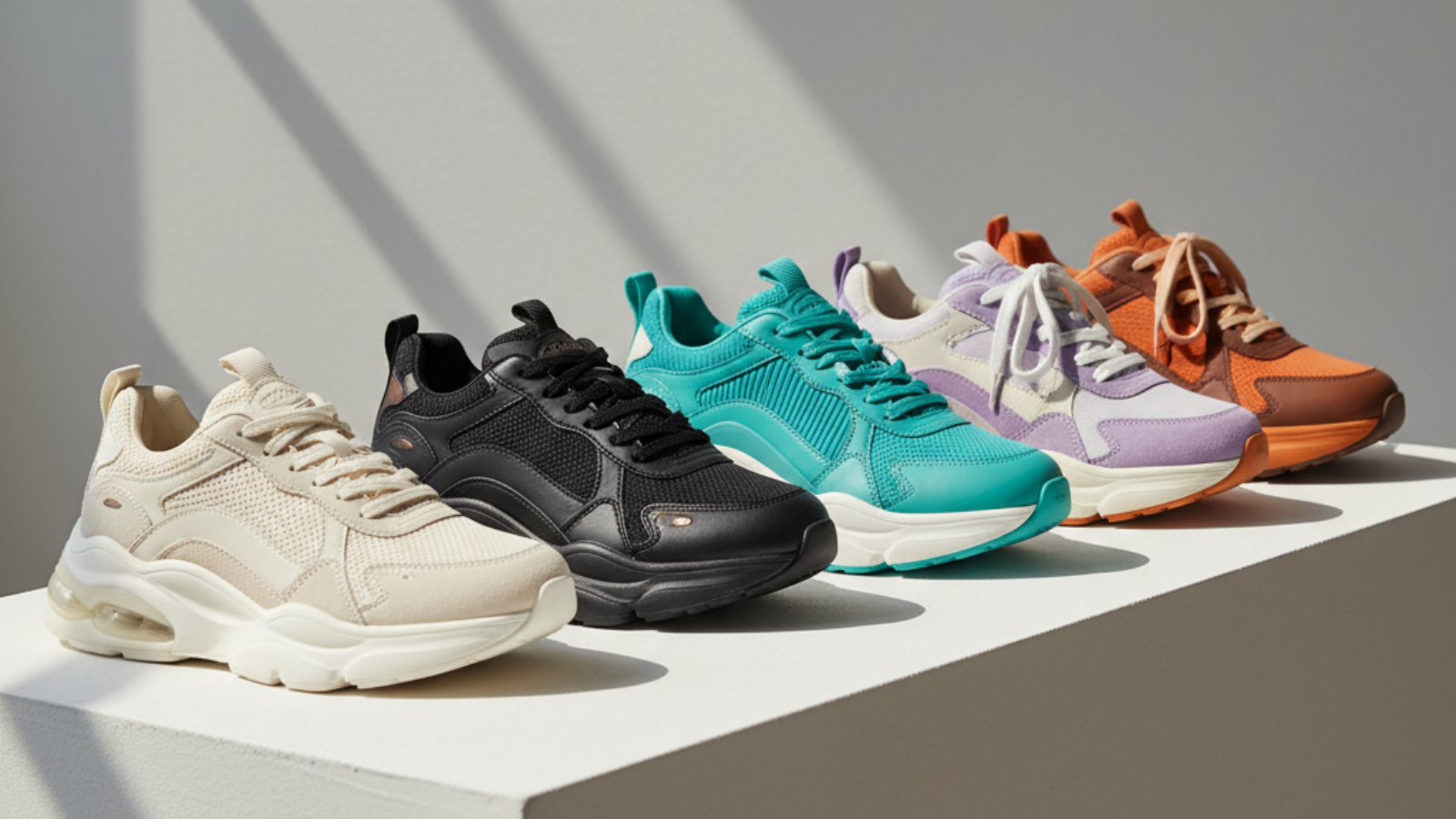
Wearing the right shoes can make or break your fitness goals. If your feet are wider than average, finding the best wide fit trainers is essential for comfort, injury prevention, and performance. In this detailed guide, we cover everything you need to know about wide fit trainers in 2026, making it easy for you or anyone at grade 9 level to follow, learn, and take action.
Understanding Wide Fit Trainers: What Makes Them Different?
Key Features of the Best Wide Fit Trainers
- Extra room around the forefoot and toe area reduces pressure and rubbing.
- Wider sole and base for better balance during workouts.
- Flexible uppers that adapt to wider feet while providing support.
- Specialized lacing systems to keep feet secure without squeezing.
- Available in a range of sizes and widths—look for “W”, “EE”, or “4E”.
Common Myths About Wide Fit Training Shoes
- Myth: Wide fit trainers look bulky or unstylish.
Fact: Modern designs combine function and fashion, offering plenty of stylish options. - Myth: Wider trainers are less supportive.
Fact: Leading brands use advanced materials for strong support and comfort. - Myth: Wide fits are only needed for elderly people.
Fact: Anyone of any age or fitness level with wider feet may benefit.
Are You Wearing the Wrong Shoe? Identifying If You Need Wide Fit Trainers
Telltale Signs Your Shoes Are Too Narrow
- Pain or numbness in your toes after wearing trainers.
- Red marks, blisters, or calluses on the side of your foot.
- Your pinky toe feels squeezed or overlaps other toes.
- Your shoes split or wear out quickly at the sides.
Self-Assessment Guide to Foot Width and Shape
- Stand barefoot on a sheet of paper.
- Trace the outline of each foot while standing evenly.
- Measure the widest part (usually across the ball of the foot) using a ruler.
- Compare your measurement with shoe brand width charts.
- Note if your foot outline spills over regular shoe insoles—if so, you likely need wide fit trainers.
How to Measure Your Feet for the Best Wide Fit Trainers
Step-by-Step Measurement Guide (At Home and In-Store)
- Gather materials: paper, a pen, a ruler or tape measure.
- Place your foot firmly on the paper while standing.
- Trace your foot, holding the pen straight for accuracy.
- Mark the longest toe and the widest part of your foot.
- Measure from your heel to your longest toe (length).
- Measure the widest part of your foot (width).
- Repeat with the other foot since one foot is usually bigger.
- Use these figures to consult brand size and width guides when shopping for wide fit trainers.
Decoding Brand-Specific Sizing and Width Labels
- Brands use letters or numbers for width—W (Wide), EE, 2E, 4E, etc.
- Check the brand’s online sizing chart before buying.
- Be aware that “wide fit” can vary between brands.
- Many brands list length and width separately for added clarity.
Matching Wide Fit Trainers to Your Fitness Activity
Best Wide Fit Trainers for Weightlifting
- Look for trainers with flat, sturdy soles for balance.
- Choose models with strong heel support and a wide base for stability.
- Avoid extra cushioning that could cause wobbling during lifts.
Best Wide Fit Trainers for Cardio & HIIT
- Choose lightweight trainers that allow quick movement.
- Look for breathable mesh to keep your feet cool during fast activities.
- Good shock absorption helps protect joints in fast-paced exercises.
Best Wide Fit Trainers for CrossFit & Functional Training
- Opt for trainers with a secure upper and reinforced toe guards.
- You need flexibility, lateral support, and grip for multi-directional moves.
- A wider fit prevents foot pinching during burpees and rope climbs.
Wide Fit Trainers for Outdoor vs Indoor Workouts
| Type | Recommended Features |
|---|---|
| Outdoor | Tough outsole grip, weather-resistant material, extra heel support |
| Indoor | Lightweight build, easy-bend sole, non-marking outsole |
Fitting Solutions: Troubleshooting Common Challenges with Wide Fit Trainers
What to Do If One Foot Is Wider Than the Other
- Always fit your trainers to the larger foot.
- Use insoles or heel grips to improve fit for the smaller foot.
- Consider custom lacing techniques to balance support.
Addressing Heel Slip, Arch Issues & Toe Splay
- Choose trainers with adjustable lacing systems or heel locks.
- For arch issues, select shoes with removable insoles so you can add your own support.
- Allow enough room for natural toe splay; avoid trainers with a narrow toe box.
Top Accessories to Enhance Fit (Insoles, Lacing Techniques)
- Use wide-fit or custom orthotic insoles for extra support and comfort.
- Experiment with “runner’s loop” or “heel lock” lacing to prevent foot movement inside the shoe.
- Cushioning pads and toe spacers can also help adjust the shoe fit for individual needs.
Unique Case Studies: Real Athletes & Fitness Enthusiasts Share Their Wide Fit Journeys
Living with Bunions, Flat Feet, or High Arches: How the Right Trainers Made a Difference
- Sarah, a runner with bunions, said, “Wide fit trainers meant I stopped getting painful blisters after every run and could actually enjoy my workouts again.”
- James, a weightlifter with flat feet, found that “shoes with a broad base and extra arch support helped me lift heavier without foot pain.”
- Amanda, who has high arches, benefited from shoes with deep, supportive insoles and flexible uppers.
Success Stories by Workout Type and Gender
- Men’s Example: “Wide fit trainers gave me the stability I needed for CrossFit, plus they lasted longer than my old, cramped shoes.”
- Women’s Example: “I finally found trainers that look good and fit my wide foot shape, so now I’m confident in every group class.”
- Teen Example: “Having the right shoes helped me stay active in school sports without sore feet.”
Expert Tips: How to Shop for the Best Wide Fit Trainers in 2026
What to Look for Online vs In-Store
- Online: Check for detailed sizing charts, customer reviews mentioning “wide fit trainers”, and high-resolution images of the shoe from all angles.
- In-Store: Try trainers on in the afternoon when feet are at their largest, and wear the same socks you use for workouts.
Trying Before Buying – What Tests Matter Most?
- Walk, jog, or jump in the trainers to check comfort and support.
- Ensure your toes have space to move freely.
- Check for any tight spots, heel slip, or rubbing areas.
- Bend and flex the shoe to test stability and flexibility.
Navigating Return Policies and Virtual Fitting Tools
- Read the store’s return or exchange policy carefully before purchasing.
- Look for stores offering virtual fitting tools or video consultations for extra support.
- Always carefully try your trainers at home before removing tags or going outside.
Wide Fit Trainers FAQs: Everything You Want to Know
Are Wide Trainers Less Stylish?
No, many brands offer fashionable wide fit trainers. In 2026, you can find plenty of trendy colors and sporty designs.
Will They Wear Out Faster?
Not necessarily. With proper care and using the right trainers for your activity, wide fit trainers are as durable as standard trainers.
How Much Should You Expect to Spend in 2026?
Quality wide fit trainers range from $80 to $200, depending on the brand and features. Investing in the right pair is worth it for comfort and injury prevention.
Final Checklist: Your Step-by-Step Action Plan to Find the Perfect Wide Fit Trainers
- Assess your foot width and shape using home measurement techniques.
- Identify your main fitness activities (weightlifting, cardio, etc.).
- Check and compare wide fit trainer sizing guides from reputable brands.
- Order or try on wide fit trainers in-store or at home, focusing on comfort.
- Test trainers for stability, toe space, and overall fit during different movements.
- Use insoles, lacing techniques, or other accessories as needed for a perfect fit.
- Keep records of what works best so you can easily shop in the future.
Choosing the best wide fit trainers in 2026 is easy if you follow this guide. Take your time, focus on comfort, and always prioritize your foot health. Happy training!