
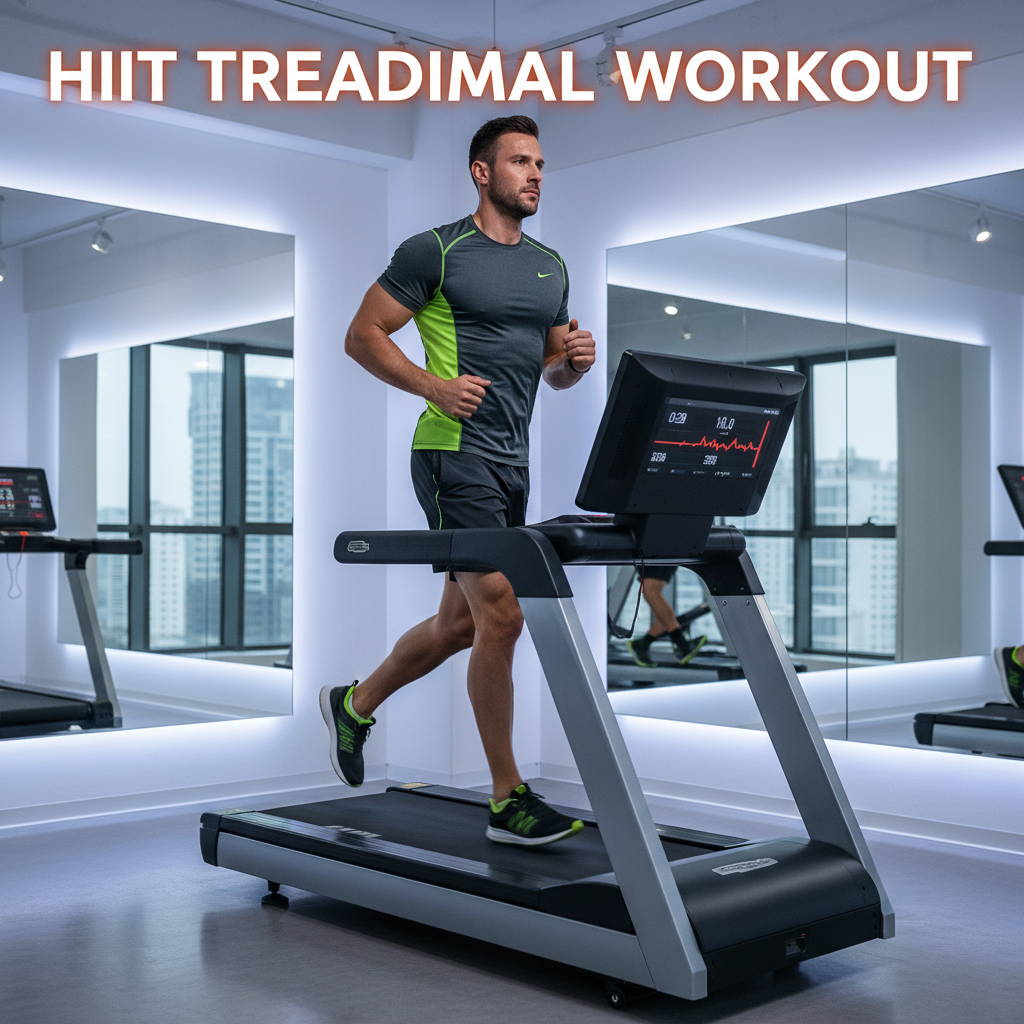
HIIT stands for High-Intensity Interval Training. It means doing short bursts of hard exercise, followed by rest or light movement. On a treadmill, you will run or walk very fast for a short time, and then walk slowly to recover. This cycle repeats for the workout. The goal is to push your heart rate high during the intense parts and let it recover during the rests.
HIIT treadmill workouts combine cardio and muscle work. They burn more calories in less time compared to steady walking or running. This type of workout also helps you get fit faster, improves your heart health, builds stamina, and saves time. The treadmill lets you control speed and incline, making HIIT safe and adjustable for everyone.
Modern treadmills may also show your heart rate, distance, and calories burned, which help track your progress.
HIIT can be intense. Here are key safety steps:
Avoid skipping warm-up and cool-down, pushing too hard, or holding onto the treadmill rails during sprints.
Warming up preps your muscles and heart. Do a light walk or slow jog for 5-10 minutes before HIIT. Cooling down helps your body recover. Walk slowly for 5-10 minutes at the end.
You can change how hard your HIIT treadmill workout is by adjusting speed, incline (the slope), and how long you rest. Start with slower speeds or lower incline for beginners. As you get fitter, move faster and try steeper inclines or shorter rests.
Only increase speed, time, or incline if you can finish all intervals and recover well. Raise the speed by 0.3-0.5 km/h, or the incline by 1-2%, every 1-2 weeks.