
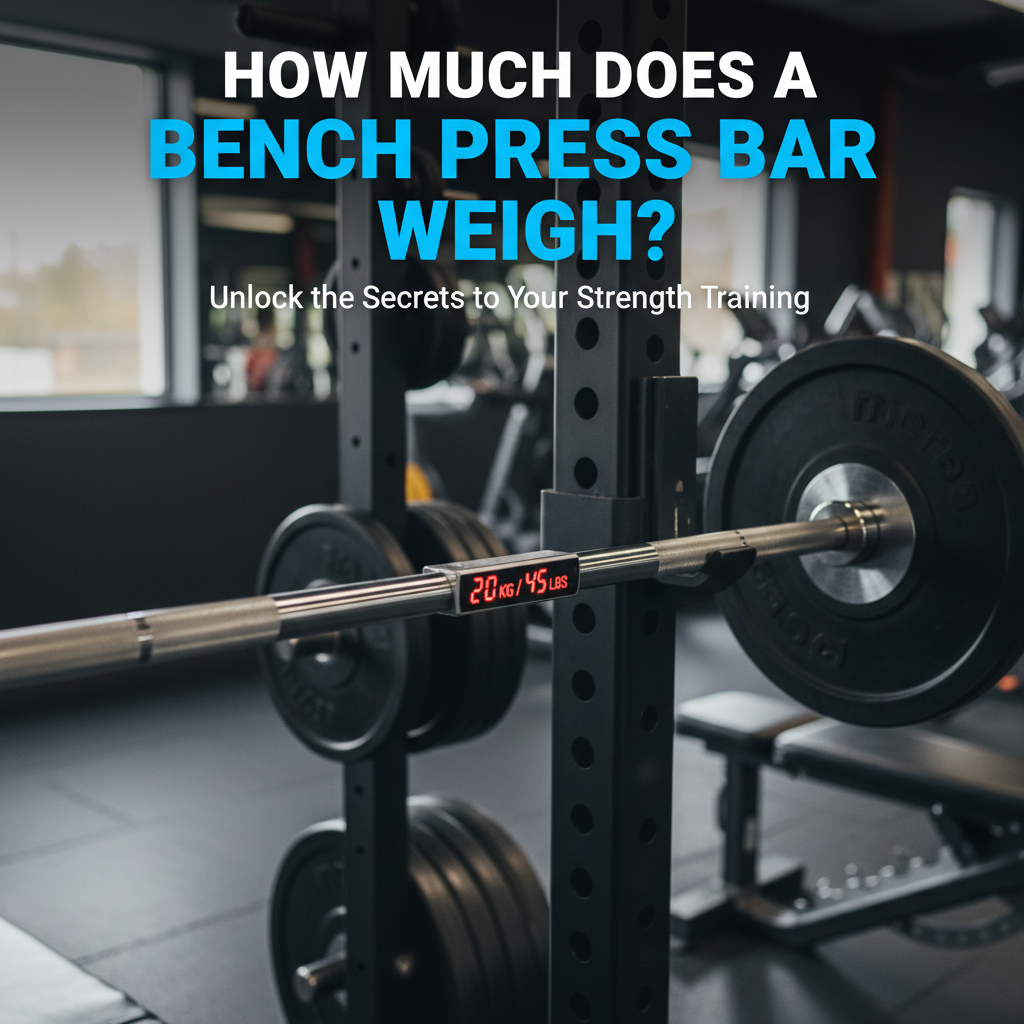
The most common bench press bar is the Olympic bar. It weighs 45 pounds (about 20 kilograms). This is the main bar you see in most gyms and competitions.
Standard bars are lighter than Olympic bars. Most standard or traditional bars weigh about 15 to 20 pounds (7 to 9 kilograms). These bars often have a 1-inch diameter and are used in smaller gyms or for home workouts.
Women’s bars usually weigh 33 pounds (15 kilograms). Youth bars and training bars can weigh between 10 to 25 pounds (about 4.5 to 11 kilograms). These bars are easier for beginners and young lifters to use.
An Olympic bench press bar is the standard for most competitions. It weighs 45 pounds (20 kilograms), is 7 feet (2.2 meters) long, and has a 2-inch rotating sleeve to hold weight plates. This bar is strong and built to handle heavy weights.
Standard barbells are shorter and lighter than Olympic bars. They have a 1-inch diameter and often weigh 15 to 20 pounds (7 to 9 kilograms). These are common in home gyms and for lighter workouts.
Women’s bars are made for female lifters. They usually weigh 33 pounds (15 kilograms) and are thinner and shorter than Olympic bars. Junior bars are even lighter for children or new lifters.
Adaptive bars are designed for lifters with special needs. Their weights and designs vary a lot to fit different users. Some custom bars are made for rehab or very specific training and can weigh anywhere from 10 to 60 pounds.
Knowing your bench press bar weight helps you track how much you are lifting. This makes it easier to set goals and see improvements over time.