
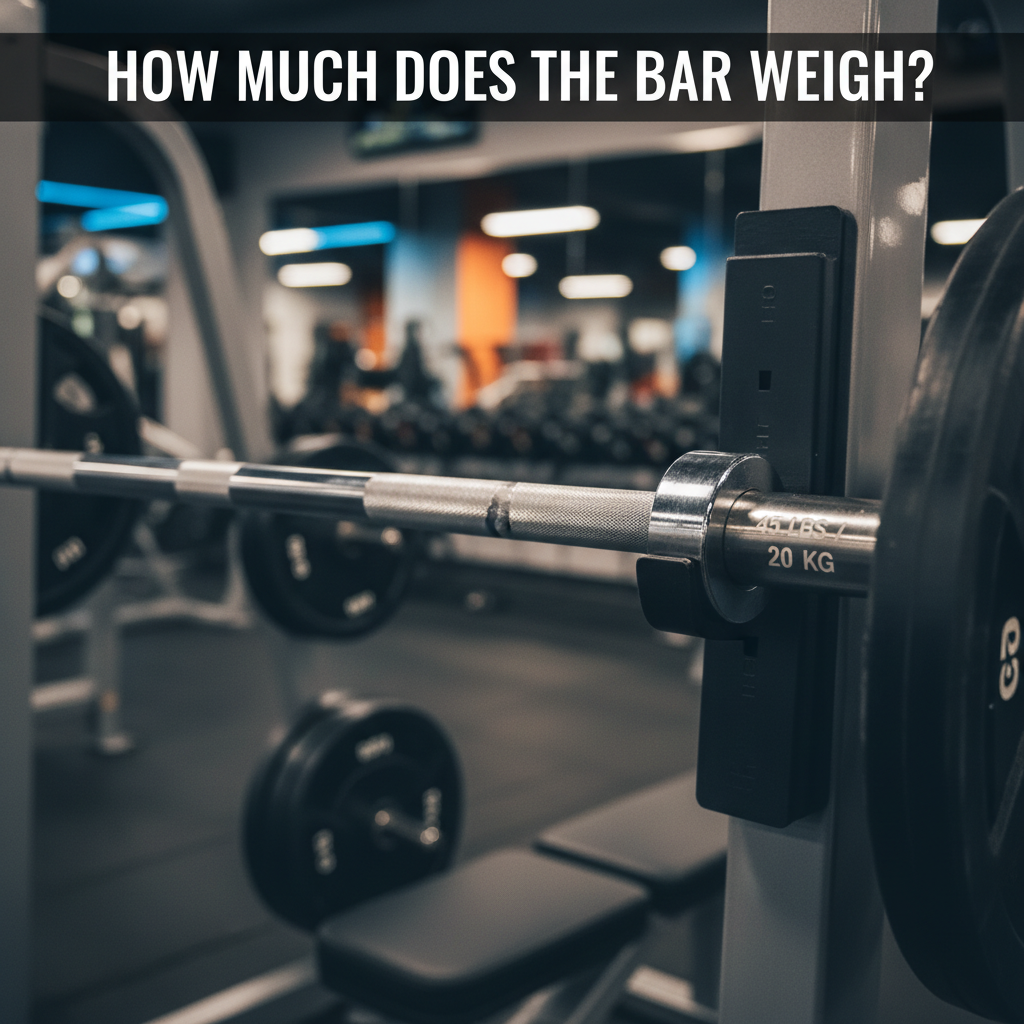
The most common bench press bar you will see in gyms is the Olympic barbell. This type of bar weighs 45 pounds (20.4 kilograms). It is used for most competitions and training. If you’re in a commercial gym, chances are high you’re using an Olympic bar.
Not all bench press bars are the same. Women’s Olympic bars usually weigh 33 pounds (15 kilograms). Youth or junior bars weigh around 22 pounds (10 kilograms). Specialty bars, like those for powerlifting or machines, can weigh more or less. Always check before you lift.
Modern barbells in 2026 use stronger steel, lighter coatings, and improved grips. Some bars have better knurling (the rough part you hold) to make them easier and safer to grip, even with sweaty hands.
Some new bars have built-in sensors and chips. These smart bars connect to your phone or gym app. They show the weight, reps, and even your lifting form in real time. This makes it easy to track your progress and stay safe.
Safety has improved with new locking collars, automatic spotting arms, and warning systems. If something goes wrong or you lift too much, the system can alert you or even stop the bar from moving too far.
At home, check the bar for labels or markings with the weight. In commercial gyms, staff can often tell you the bar’s weight. If you’re not sure, ask for help or use a scale if available.
Many new bars come with QR codes. Scan the code with your phone to get info about the bar’s weight and brand. Some gyms have apps or digital scales that tell you the weight instantly.
If you cannot find any information about the bar’s weight, check the manufacturer’s website or guides posted near the equipment. When in doubt, use a digital scale to weigh the bar before loading weights.