
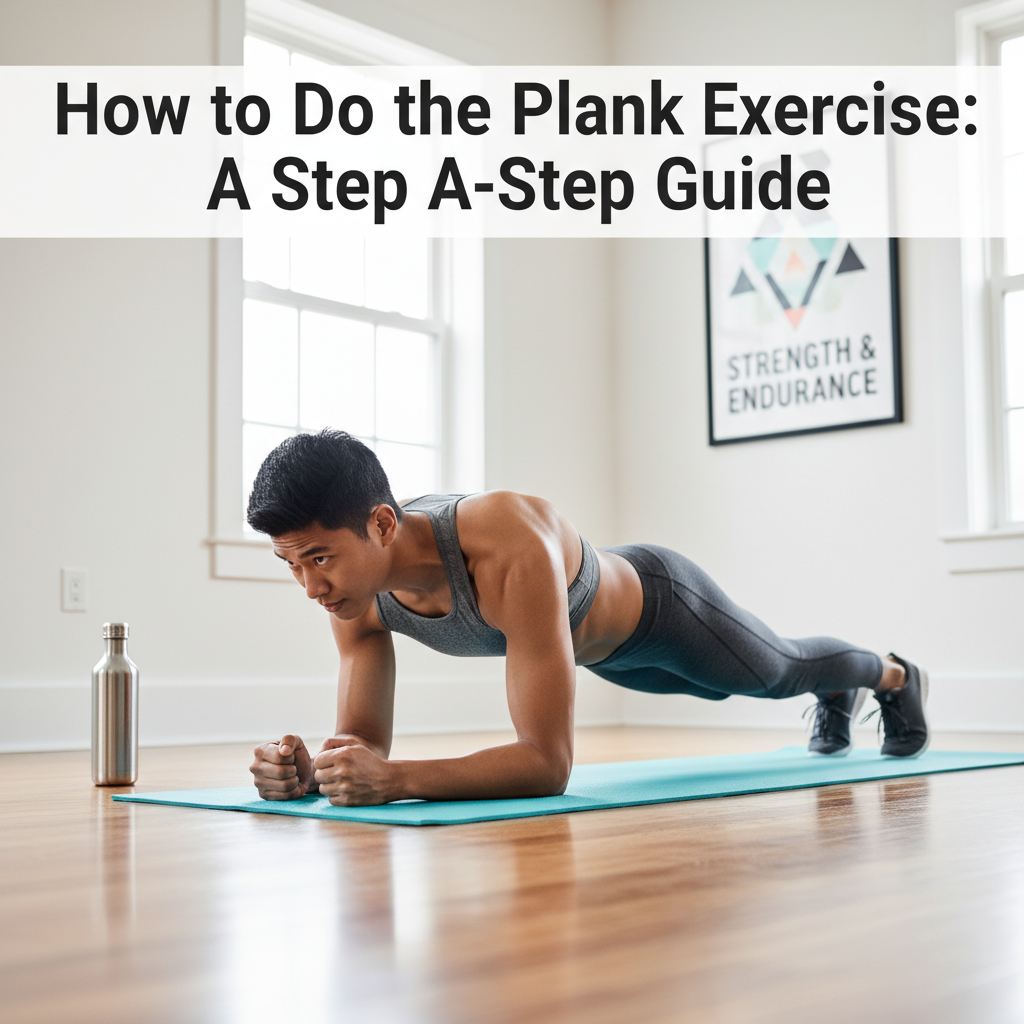
The plank exercise is a simple, bodyweight move that targets your core. To do a plank, you hold your body in a straight line, resting on your forearms and toes. The main muscles worked during a plank include the abdominals, obliques, lower back, glutes, shoulders, and even the legs. This exercise is famous for building core strength.
Planks offer many benefits. They help strengthen your core, which can improve your posture and balance. A strong core also reduces the risk of injuries in daily life and sports. Plank exercises protect your lower back and boost your ability to do athletic moves more powerfully. Doing planks regularly can also improve flexibility in your shoulders, hips, and feet.
Some people think that crunches are better for core strength. However, studies show that the plank works more muscles at once and is safer for your spine. Planks build both endurance and stability, while crunches mainly focus on one part of your abs. Doing planks can help you get better results with less risk of neck and back pain.
The best hold time depends on your strength and goals. Beginners should aim for 10–20 seconds. Intermediate users can work up to 30–60 seconds. Advanced athletes may hold planks for 2–3 minutes. Focus on perfect form, not just time. Quality is always better than quantity for planks.
Three to five days per week is best for most people. Include planks with other core, upper body, and lower body exercises. Allow a day of rest between intense sessions to prevent soreness and overuse injuries.
Most people can do plank modifications safely. Always talk to a doctor or physical therapist before starting if you have back, shoulder, or wrist issues. Never push through sharp pain. Adjust the plank position or try wall or knee planks as needed.
This page is presented for general information and careful reading. It preserves the original article path from the old site.