
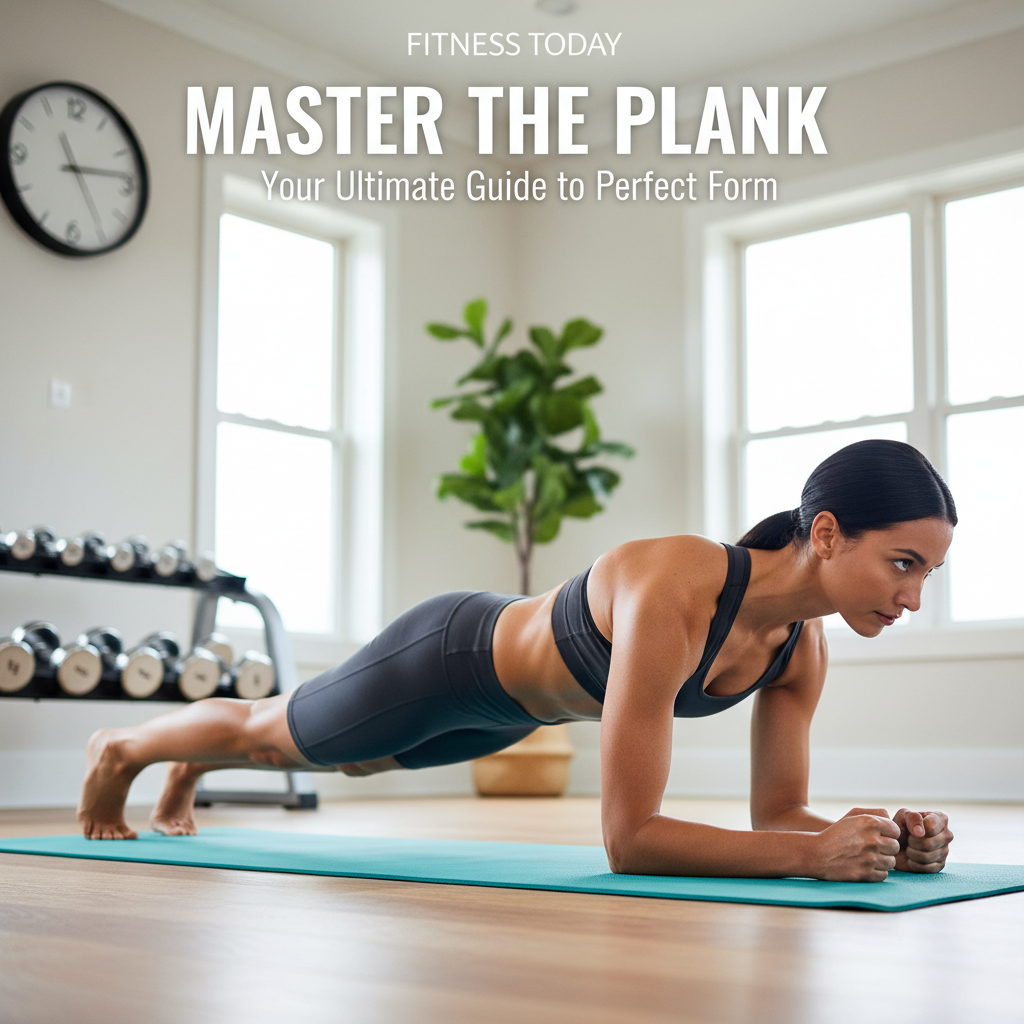
The plank is a popular core exercise valued in fitness programs in 2026. It is simple, can be done anywhere, and requires no special equipment. Planking trains the muscles that support your spine, improves posture, and increases stability. Scientific research shows that consistent planking helps reduce injury risk, increases functional strength, and supports daily movements in school, sports, and life.
The plank targets your core, including your rectus abdominis, obliques, and transverse abdominis. It also activates your shoulders, chest, upper back, glutes, and leg muscles. This full-body activation makes the plank a foundation exercise for strength and injury prevention.
For best results, start with 2-3 sets of 10-30 seconds, 3-4 times per week. Advanced practitioners may hold up to two minutes, but form is always more important than time.
The plank is safe for teens, adults, and seniors with proper form. Variations and rest can make the exercise suitable for all levels. Always start easy and progress gradually.
The plank remains superior for core stability and injury prevention. It activates more muscles and does not strain your neck or back like crunches might. Crunches still have value but should be balanced with planks in a complete program.
This page is presented for general information and careful reading. It preserves the original article path from the old site.