How To Speed Up Muscle Strain Recovery
A practical step-by-step guide to how to speed up muscle strain recovery, including preparation, instructions, common issues, tips, and next steps.
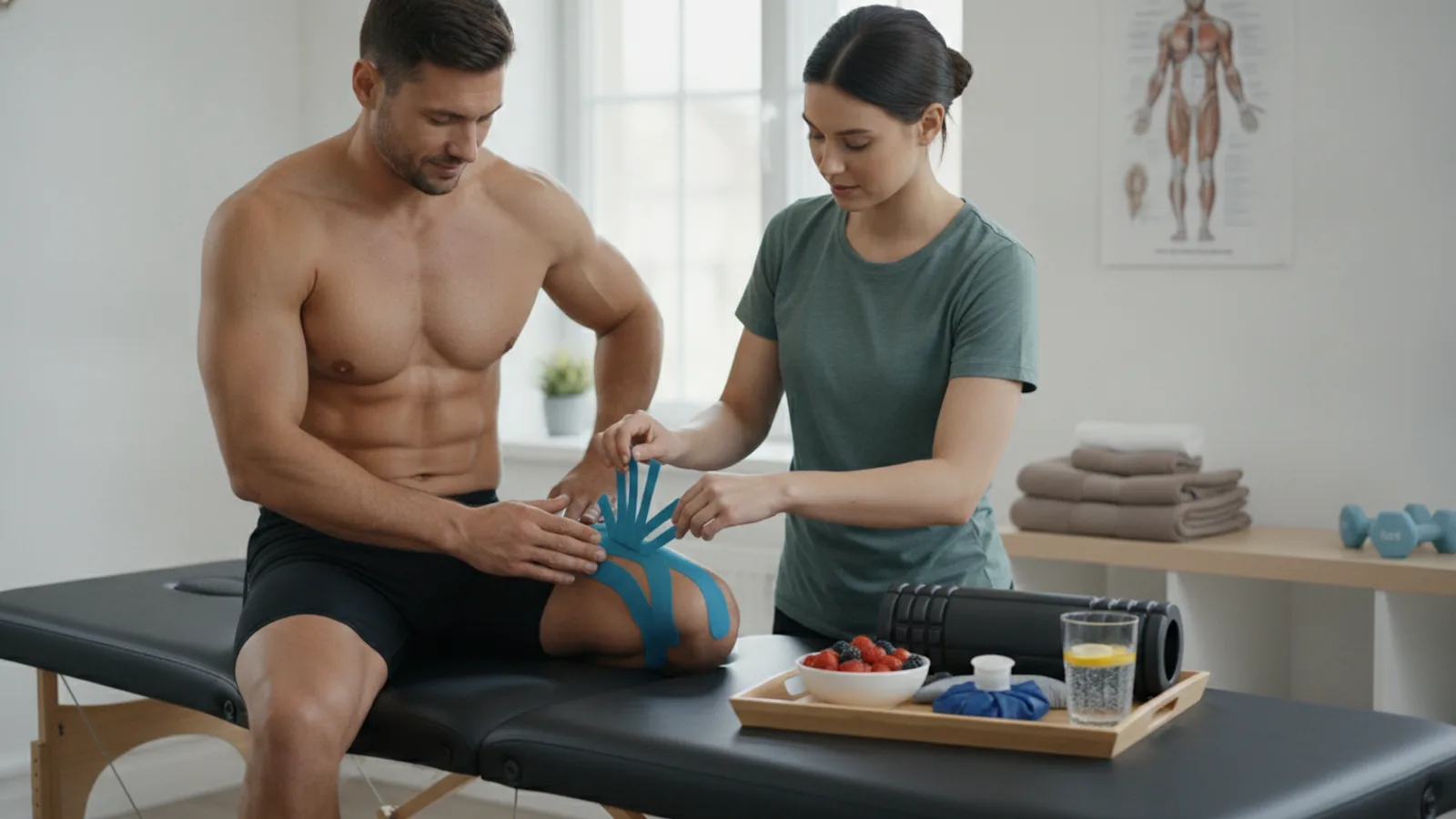
How To Speed Up Muscle Strain Recovery
A muscle strain, or pulled muscle, happens when your muscle fibres are overstretched or torn. This guide provides a clear, step-by-step plan to help you manage the injury from the first day through to a full return to activity. Following these evidence-led stages can help reduce pain, limit swelling, and safely speed up your muscle strain recovery time. This process is designed for mild to moderate strains; severe injuries require immediate medical attention.
Fast Answer
- Initial Action: Follow the P.R.I.C.E. principle for the first 48-72 hours.
- P: Protect the area from further injury.
- R: Rest the strained muscle.
- I: Apply Ice to reduce swelling.
- C: Use Compression with a bandage.
- E: Elevate the injured limb above your heart.
Before You Start
- Ice Pack: A commercial gel pack or a bag of frozen peas wrapped in a tea towel works well.
- Compression Bandage: An elasticated bandage to provide support and limit swelling.
- Pillows or Cushions: To elevate the injured limb comfortably.
- Pain Relief: Access to over-the-counter pain relief like paracetamol. Check with a pharmacist or GP about using anti-inflammatories like ibuprofen.
- Professional Diagnosis: An assessment from a GP or physiotherapist to confirm the strain's severity is highly recommended.
- Foam Roller or Massage Ball: For use in the later stages of recovery.
Step-by-Step Instructions
Follow the P.R.I.C.E. Protocol (First 48-72 Hours)
Your first priority after a muscle strain is to manage the initial inflammation and prevent further damage. The P.R.I.C.E. method is the gold standard for immediate care.
- Protect: Stop the activity that caused the injury immediately. If you've strained a leg muscle, you may need to use crutches to avoid putting weight on it. For an arm or shoulder strain, a sling can help immobilise the area. The goal is to prevent the injury from getting worse.
- Rest: Avoid any activity that causes pain in the strained muscle. This doesn't mean you must be completely bedridden, but you need to give the muscle fibres time to begin the healing process without being stressed. Rest is crucial for the first 2 to 3 days.
- Ice: Apply a cold pack to the injured area for 15-20 minutes every 2-3 hours while you're awake. The cold constricts blood vessels, which helps reduce swelling, numb pain, and limit bruising. Never apply ice directly to your skin; always wrap it in a thin towel.
- Compress: Gently wrap the area with an elastic compression bandage. This provides support and helps prevent fluid from building up, which is a major cause of swelling and pain. The bandage should be snug but not tight. If you feel throbbing, numbness, or tingling, it's too tight and you should loosen it. Remove the bandage before you go to sleep.
- Elevate: Whenever possible, keep the injured limb raised above the level of your heart. If you've strained your ankle or calf, lie down and prop your leg up on a stack of pillows. This uses gravity to help drain excess fluid away from the injury site, further reducing swelling.
Manage Pain and Inflammation
Pain and swelling are a normal part of the healing process, but managing them helps you feel more comfortable and prepares you for the next stages of recovery. After the first couple of days of consistent P.R.I.C.E. treatment, you can assess your pain levels.
Over-the-counter painkillers like paracetamol can be effective for managing pain. Non-steroidal anti-inflammatory drugs (NSAIDs) like ibuprofen can also help with both pain and swelling. However, there is some debate about whether blunting the initial inflammatory response can affect long-term healing. It's always best to speak with your GP or a pharmacist before taking any medication to ensure it's safe for you and to discuss the right approach for your specific injury.
Introduce Gentle, Pain-Free Movement
After the initial 48-72 hours of rest, it's crucial to start reintroducing gentle movement. Complete immobilisation can lead to muscle weakness, stiffness, and the formation of inflexible scar tissue. The key is to move the muscle through its range of motion without causing pain.
Start with simple, slow movements. For a strained hamstring, this might mean gently bending and straightening your knee while sitting on a chair. For a shoulder strain, you could perform slow pendulum swings by leaning over and letting your arm hang down, gently swinging it in small circles. The rule is simple: if it hurts, you've done too much. Back off and try a smaller movement. The goal is to encourage blood flow and gently remind the muscle of its function, which helps align the new healing fibres correctly.
Transition from Ice to Heat (If Appropriate)
Once the initial swelling and inflammation have clearly subsided (usually after 3 to 5 days), you can consider introducing heat therapy. While ice constricts blood vessels, heat does the opposite: it opens them up, increasing blood flow to the area. This can help soothe stiffness, relax tight muscles, and bring nutrient-rich blood to the healing tissues.
You can use a heat pack, a warm towel, or take a warm bath. Apply heat for 15-20 minutes at a time. It's often most beneficial to apply heat before you perform your gentle stretching and mobility exercises, as it can help prepare the muscle for movement. Never apply heat if the area is still visibly swollen or feels warm to the touch, and be careful not to make the heat source so hot that it burns your skin.
Begin Gentle Stretching
Once you can move the injured muscle through its full range of motion without pain, you can begin very gentle static stretching. This helps to lengthen the healing muscle fibres and improve flexibility, which is vital for preventing re-injury.
Hold each stretch for 20-30 seconds and repeat 2-3 times. You should feel a light pull, but never sharp pain. Pushing a stretch too far can re-tear the delicate healing fibres. For example, for a calf strain, you might do a gentle wall stretch, leaning forward with your back leg straight until you feel a light tension in your calf. It's a critical part of helping the new scar tissue form in a flexible, functional way rather than as a tight, restrictive knot.
Start Gradual Strengthening
When you have a full, pain-free range of motion and stretching feels comfortable, it's time to start rebuilding strength. This is the most important step for ensuring the muscle can handle future stress. Start with isometric exercises, where you contract the muscle without moving the joint. For example, for a quad strain, you could sit on the floor with your leg straight and simply tighten your thigh muscle, holding the contraction for 5-10 seconds.
After a few days of pain-free isometric work, you can progress to isotonic exercises, which involve movement against light resistance. This could include bodyweight exercises like squats or lunges for a leg strain, or using very light resistance bands for an arm or shoulder injury. Start with a low number of repetitions (e.g., 8-12) and gradually increase as you get stronger. Never work through pain.
Use Massage and Myofascial Release
In the later stages of recovery (from week 2 onwards, depending on severity), massage can be highly beneficial. It helps to increase blood flow, break down adhesions and scar tissue, and release muscle tension. While a professional sports massage is ideal, you can also perform self-massage using your hands, a foam roller, or a massage ball.
Gently roll the injured area over the foam roller, pausing on any tender spots for 20-30 seconds until the tension eases. This technique, known as myofascial release, can help restore normal muscle function and flexibility. Avoid rolling directly over the most painful point of the initial injury, especially in the early weeks. Instead, work on the surrounding areas to release overall tightness.
Support Recovery with Nutrition and Hydration
What you eat and drink plays a surprisingly large role in how quickly you heal. Your body needs specific building blocks to repair damaged muscle tissue. Ensure you are getting enough protein, which is essential for muscle synthesis. Good sources include lean meats, fish, eggs, dairy, legumes, and tofu.
Staying well-hydrated is also critical. Water is essential for transporting nutrients to the cells and removing waste products. Aim to drink plenty of water throughout the day. Additionally, incorporating anti-inflammatory foods rich in Omega-3s (like salmon and walnuts) and antioxidants (like berries and leafy greens) can help support your body's natural healing processes.
Plan a Gradual and Cautious Return to Activity
The final step is returning to your normal activities, sport, or exercise routine. The biggest mistake people make is jumping back in too soon and at the same intensity as before they were injured. This is a primary cause of re-injury.
Your return should be gradual. Start at around 50% of your normal intensity and duration. For example, if you're a runner, start with a light jog for half the distance you would normally run. Pay close attention to how your body feels during and after the activity. If you feel any sharp pain, stop immediately. If you just feel some light muscle soreness the next day (Delayed Onset Muscle Soreness, or DOMS), that's usually okay. Gradually increase your intensity and duration by about 10-15% per week, as long as you remain pain-free.
Quick Reference
| Situation | Use this | Why |
|---|---|---|
| First 48 Hours | P.R.I.C.E. Protocol | To minimise initial swelling, pain, and further damage. |
| Days 3-7 | Gentle, pain-free movement | To restore mobility and prevent stiffness without stressing the injury. |
| Weeks 1-3 | Light stretching and gradual strengthening | To improve flexibility and start rebuilding muscle capacity safely. |
| Returning to Sport | Start at 50% intensity and increase by 10% weekly | To allow the muscle to re-adapt to stress and prevent re-injury. |
Common Problems When You Speed Up Muscle Strain Recovery
Even with a careful plan, you might encounter some bumps in the road. Here are solutions to common issues.
- The pain isn't improving or is getting worse. If your pain levels don't start to decrease after a few days of rest and ice, or if they suddenly worsen, it's a red flag. This could indicate a more severe injury than you first thought. Solution: Stop all activity and make an appointment with your GP or a physiotherapist for a professional assessment.
- You re-injured the muscle shortly after returning to your sport. This almost always happens from returning too soon or too quickly. Your muscle may have felt fine during daily activities, but it wasn't ready for the explosive or high-load demands of sport. Solution: You must go back to the beginning of the recovery process. Next time, ensure you meet the key milestones before returning: full range of motion, no pain during daily tasks, and strength that is at least 90% of your uninjured side.
- You're not sure whether to use ice or heat. This is a common point of confusion. Using the wrong one at the wrong time can hinder recovery. Solution: Follow this simple rule: Ice for the first 48-72 hours when the injury is acute and swollen. Heat for later stages when the injury is characterised by stiffness and muscular tightness, often before exercise. Never use heat if there is still significant swelling.
- The area remains stiff and tight despite stretching. This can happen if significant scar tissue has formed. Sometimes, gentle stretching isn't enough to break down these adhesions. Solution: This is a good time to be more consistent with foam rolling or self-massage. If that doesn't help, consider booking an appointment with a sports massage therapist or physiotherapist who can use specific techniques to address the tissue tightness.
Advanced Tips for how to speed up muscle strain recovery
Once you've mastered the basics, these techniques can help optimise your recovery and reduce the risk of future problems.
- Incorporate Active Recovery: Instead of complete rest after the initial phase, engage in light activities that don't stress the injured muscle. For a hamstring strain, this could be gentle swimming (using a pull buoy to rest your legs) or stationary cycling with no resistance. This promotes blood flow to the entire body, which can accelerate healing without risk.
- Focus on Proprioception Training: Proprioception is your body's awareness of its position in space. Injury can disrupt this sense, making you more prone to re-injury. Once you can bear weight comfortably, incorporate balance exercises. For a lower-body strain, simply standing on the injured leg for 30 seconds can help. You can progress by closing your eyes or standing on an unstable surface like a cushion.
- Try Contrast Water Therapy: In the later stages of recovery (once swelling is gone), alternating between hot and cold can be beneficial. Immerse the injured area in warm water (not hot) for 3-4 minutes, then in cold water for 1 minute. Repeat this cycle 3-4 times. The theory is that this process creates a "pumping" action, flushing out waste products and bringing in fresh blood.
- Work with a Professional: The single best advanced tip is to consult a physiotherapist. They can provide an accurate diagnosis, create a personalised rehabilitation plan with specific exercises for your injury, and use manual therapy techniques to speed up your recovery far more effectively than a generic plan can.
How To Speed Up Muscle Strain Recovery FAQ
How long does a muscle strain take to heal?
Recovery time depends entirely on the severity (grade) of the strain. A Grade 1 (mild) strain might take 1 to 3 weeks. A Grade 2 (moderate) strain can take 4 to 8 weeks. A Grade 3 (complete tear) often requires surgery and can take several months to heal fully.
Should I stretch a pulled muscle straight away?
No. Stretching the muscle in the first 48-72 hours can interfere with the initial healing process and potentially make the tear worse. Wait until the acute pain and swelling have subsided before beginning very gentle, pain-free stretching.
Is it okay to take ibuprofen for a muscle strain?
Ibuprofen is a non-steroidal anti-inflammatory drug (NSAID) that can help reduce both pain and swelling. It can be effective, but it's important to consult a pharmacist or your GP first. They can advise if it's appropriate for you and discuss the best dosage and duration, as there are potential side effects and it may not be suitable for everyone (e.g., people with asthma or stomach issues).
What is the difference between a strain and a sprain?
It's easy to mix them up. A strain is an injury to a muscle or a tendon (the tissue that connects muscle to bone). A sprain is an injury to a ligament (the tissue that connects bone to bone at a joint). The initial treatment (P.R.I.C.E.) is similar for both.
Can I use a deep-heat cream immediately after the injury?
No, you should not. Heat-based creams work by increasing blood flow to the area. Just like a heat pack or a hot bath, this will increase inflammation and swelling if used within the first 72 hours of injury. Stick to cold therapy during the acute phase.
Final Checklist for how to speed up muscle strain recovery
- Get a Diagnosis: Have you had the injury properly assessed to confirm it's a strain and rule out something more serious?
- Apply P.R.I.C.E.: Did you consistently use Protection, Rest, Ice, Compression, and Elevation for the first 48-72 hours?
- Introduce Movement Gently: Have you started pain-free range of motion exercises to prevent stiffness?
- Strengthen Gradually: Are you following a progressive strengthening programme, starting with isometrics and moving to light resistance?
- Listen to Your Body: Are you avoiding any activities that cause sharp pain and giving your muscle adequate time to adapt?
- Plan Your Return: Do you have a clear, gradual plan for returning to your sport or full activity, starting at a lower intensity?
- Seek Professional Help: If your recovery stalls or you're unsure how to progress, have you considered consulting a physiotherapist?


