
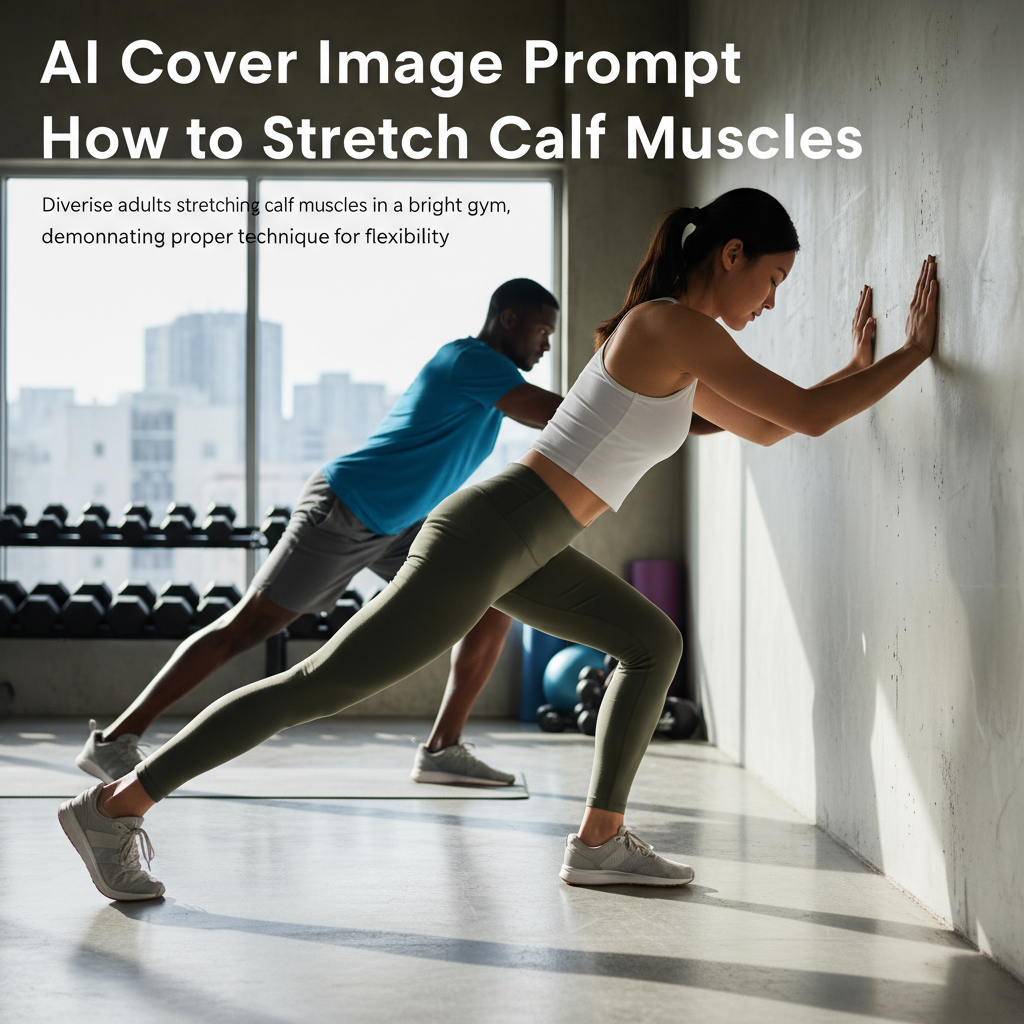
The calf is made of two main muscles: the gastrocnemius and the soleus. These muscles help us walk, run, jump, and stand. Tight calves are common. Sitting for long hours, wearing high heels, sports without stretching, or fast growth spurts can make your calves tight and painful.
Stretching calf muscles helps boost movement, prevent injuries, and relieve soreness. Flexible calves make walking and sports easier. They can reduce leg cramps, ankle sprains, and help you jump and run better.
Dynamic stretches mean you move as you stretch—like walking on your toes. Static stretches mean you hold one position for 20-30 seconds. Both types are important. Dynamic stretching prepares your muscles to move, while static stretching improves flexibility.
Do not force your body beyond limits. A mild pull is enough. If you feel sharp pain, stop.
Stretching cold muscles may cause injuries. Always warm up and finish workouts with easy stretching and foam rolling.
Stretching only without strengthening can make your calves weak. Use both for the best results.
In summary, learning how to stretch calf muscles is important for everyone, from students to athletes. Start with simple exercises, follow the steps, and stretch safely and often. This helps you move better and lowers injury risk. Make calf stretching a habit to reach new levels of strength and flexibility by 2026!
This page is presented for general information and careful reading. It preserves the original article path from the old site.