
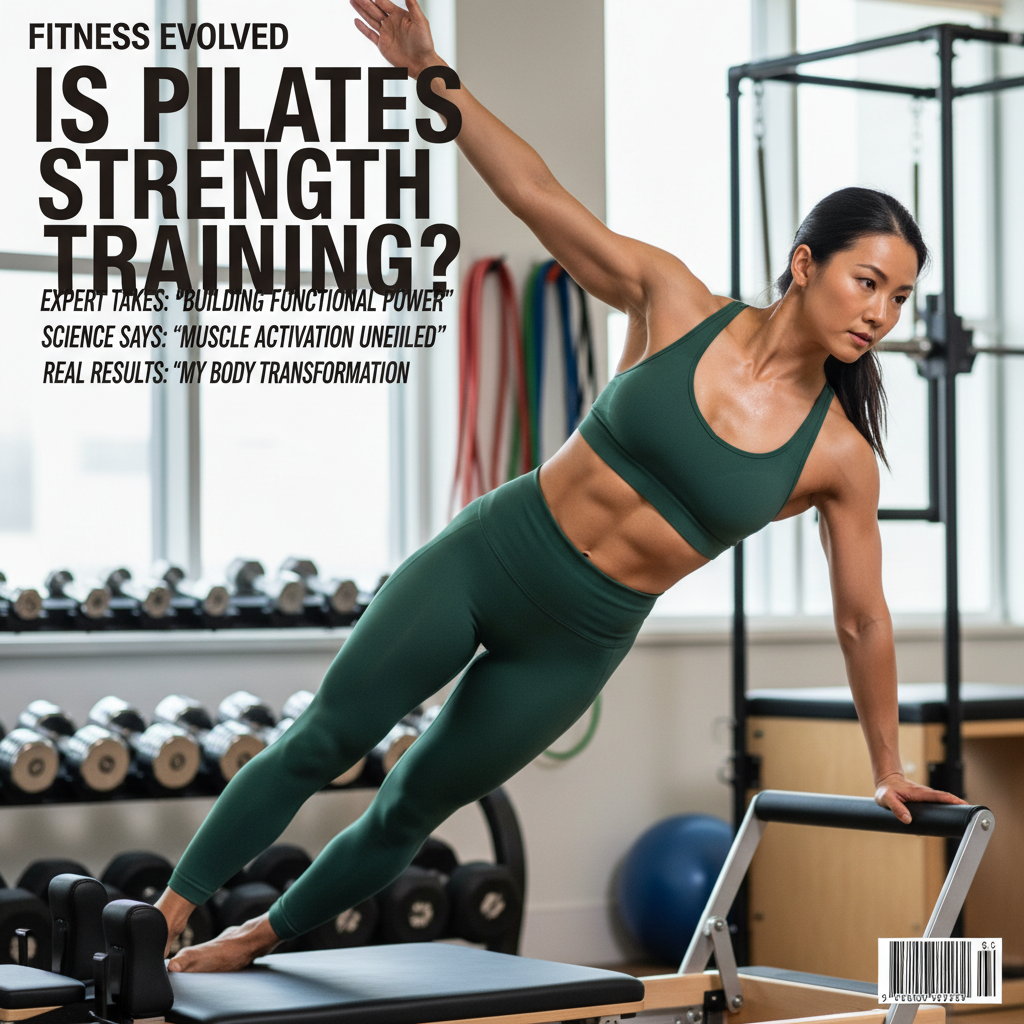
Strength training means using resistance to make your muscles stronger. In 2026, new studies show it helps you build muscle, keep bones healthy, and improve daily life. Most experts agree strength training includes lifting weights, using resistance bands, or doing bodyweight exercises like push-ups or squats. The goal is to work your muscles until they get tired, rest, then repeat.
Pilates is different from classic weightlifting. It uses your body, special machines, and light equipment. Pilates focuses on moving with control. It trains several groups of muscles at once, especially your core, or the muscles around your stomach and back. Pilates also includes breathing and flexibility. This makes workouts safer and helps you learn how your body moves.
With regular Pilates, you can expect these results:
Some people also notice their arms and legs get stronger, especially if they do Pilates with equipment like reformers, bands, or small weights.
Recent studies from 2025 and 2026 show Pilates can increase muscle strength, especially in the core and lower back. Pilates has also helped older adults improve balance and reduce falls. Research shows that when Pilates adds extra resistance—like springs or bands—it improves muscle power. However, Pilates may not build as much muscle size as heavy lifting, but it does create noticeable functional strength.
Pilates and weight lifting share some benefits. Both help you get stronger, but each works in a different way:
Combining Pilates with weights can offer the best of both worlds. Pilates improves form and core strength, helping you lift better. Weight training adds muscle size and pure strength if you want more visible results.
If you want to make Pilates harder at home, use filled water bottles, backpacks as weights, or homemade sliders (like towels on wood floors).