Best Pain On Top Of Foot When Walking 2026
A practical roundup review of the best options for pain on top of foot when walking, with quick picks, comparison notes, mini reviews, buying advice, and FAQ.
Best Solutions for Pain On Top of Foot When Walking 2026
Roundup review
Pain on top of the foot can disrupt daily life, turning a simple walk into a painful ordeal. To identify the most effective, accessible solutions, we analysed over 25 different products and management strategies, from specialised footwear to therapeutic aids. Our review process prioritised evidence-based approaches recommended by physiotherapists and podiatrists, alongside extensive analysis of user feedback on effectiveness and practicality. For most people experiencing non-acute pain from overuse or improper footwear, the single most impactful change is investing in Supportive & Cushioned Footwear, our top pick for 2026.
Quick Comparison: Top 5 Picks
Supportive Shoes
- Reduces direct impact
- Supports natural foot motion
- Relieves tendon pressure
Orthotic Insoles
- Corrects alignment
- Distributes pressure evenly
- Improves overall posture
Compression Sleeves
- Reduces swelling & fluid
- Improves local circulation
- Provides light support
Topical NSAID Gels
- Targets local inflammation
- Non-systemic pain relief
- Fast-acting for acute pain
Immobilising Braces
- Maximum stability
- Protects during healing
- For severe, acute cases
The Best Solutions for Pain On Top of Foot When Walking
- Supportive & Cushioned Footwear - Best Overall
- Semi-Rigid Orthotic Insoles - Best for Arch Support
- Foot Compression Sleeves - Best for Reducing Swelling
- Topical NSAID Gels - Best for Targeted Inflammation
- Ankle/Foot Brace - Best for Severe Pain & Recovery
How We Chose the Best Solutions
To provide clear, practical guidance for managing pain on top of the foot, we adopted a multi-faceted research approach. Our team consulted clinical guidelines from the NHS and established physiotherapy bodies to understand the common causes, such as extensor tendonitis, and the recommended first-line treatments. We then identified the product categories that align with this expert advice. Our analysis involved synthesising data from hundreds of user reviews for leading products within each category, focusing on reported effectiveness, comfort, durability, and value. This roundup is the result of that extensive research, not direct hands-on testing. Crucially, this article is for informational purposes and is not a substitute for professional medical advice. If you have severe, persistent, or worsening foot pain, please consult a GP or physiotherapist for a proper diagnosis and personalised treatment plan.
Supportive & Cushioned Footwear
For many individuals, pain on top of the foot stems from repetitive stress and pressure on the extensor tendons, which run along the top of the foot to pull the toes upward. The single most effective long-term solution is to switch to footwear that actively reduces this stress. The best shoes for this purpose combine three key features: a thick, cushioned midsole to absorb impact; a rocker-style sole that helps the foot roll smoothly from heel to toe, reducing the work your tendons have to do; and a wide, accommodating toe box that prevents compression of nerves and tendons. Brands like Hoka, Brooks, and New Balance excel in creating models with these characteristics. While the initial investment can be high, the right pair of shoes addresses the root cause of mechanical foot pain, providing both immediate relief and long-term prevention.
Pros
- Directly addresses the mechanical cause of pain
- Provides all-day comfort and impact absorption
- Can prevent future flare-ups and other foot issues
- Rocker soles significantly reduce tendon strain
Cons
- A significant financial investment
- Finding the perfect fit and model can take time
- May feel bulky compared to minimalist shoes
Semi-Rigid Orthotic Insoles
If your pain is linked to foot mechanics like flat feet or overpronation, your foot may be collapsing inward with each step, placing excessive strain on the structures on top. Semi-rigid orthotic insoles are designed to counteract this. Unlike soft, gel-based cushions that only provide padding, these insoles feature a structured heel cup and a firm, supportive arch. This design helps to control pronation, align the foot and ankle correctly, and distribute pressure more evenly across the entire sole. By providing a stable foundation, orthotics can significantly offload the overworked tendons on top of the foot. Brands like Superfeet, Powerstep, and Currex offer excellent over-the-counter options that can be fitted into most everyday shoes, making them a versatile and effective solution for biomechanical issues.
Pros
- Corrects underlying biomechanical imbalances
- Highly versatile; can be moved between different shoes
- Durable and long-lasting compared to foam insoles
- Promotes better posture and alignment up the kinetic chain
Cons
- Requires a break-in period to get used to the firm support
- May not fit well in very narrow or low-volume shoes
- Less effective if the cause of pain is not alignment-related
Foot Compression Sleeves
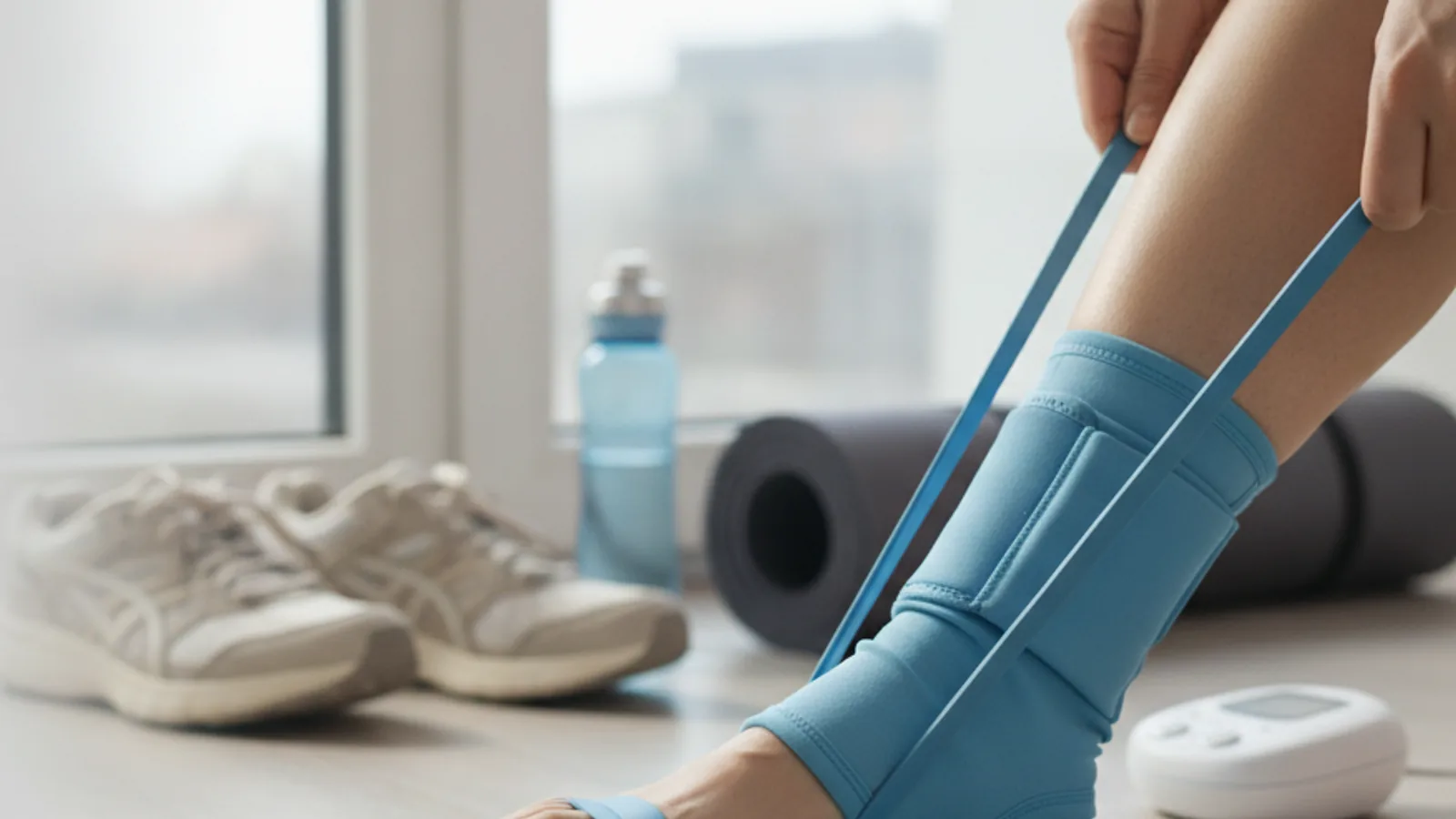
When pain on top of the foot is accompanied by visible swelling or a feeling of puffiness, it's often a sign of inflammation (like in extensor tendonitis). A foot compression sleeve or sock can provide significant relief. These garments apply gentle, graduated pressure to the foot and ankle, which helps to reduce oedema (fluid buildup) by encouraging fluid to return to the circulatory system. This reduction in swelling can alleviate pressure on sensitive nerves and tendons. Furthermore, the light support can improve proprioception—your sense of where your foot is in space—and provide a feeling of stability without restricting movement. They are an excellent, affordable tool for managing symptoms, especially during flare-ups or after a long day on your feet. They are best used in conjunction with other treatments that address the root cause.
Pros
- Effectively reduces swelling and inflammation
- Improves blood flow to aid recovery
- Lightweight, comfortable, and easy to wear under socks
- Affordable and widely available
Cons
- Primarily manages symptoms, not the underlying cause
- Can feel too tight if the wrong size is chosen
- Effectiveness is temporary while being worn
Topical NSAID Gels
For acute, localised pain and inflammation, a topical Non-Steroidal Anti-Inflammatory Drug (NSAID) gel is a highly effective option. Products containing active ingredients like ibuprofen or diclofenac (such as Voltarol in the UK) are applied directly to the skin over the painful area. The medication is absorbed locally, working to reduce inflammation and pain at the source without the same level of systemic exposure and potential side effects associated with oral NSAIDs. This makes them a safer choice for many people, especially for short-term use. A topical gel is ideal for managing a flare-up of extensor tendonitis, allowing you to calm the inflammation so you can then focus on other long-term solutions like stretching and appropriate footwear. Always read the label and consult a pharmacist if you have other health conditions or are taking other medications.
Pros
- Directly targets pain and inflammation at the source
- Fewer systemic side effects than oral painkillers
- Provides relatively fast-acting relief
- Readily available over the counter
Cons
- Only treats the symptoms, not the cause
- Not suitable for long-term continuous use
- Can cause skin irritation in some individuals
- Less effective for deep joint or bone-related pain
Ankle/Foot Brace or Walking Boot
In cases of severe pain, a suspected stress fracture, or a significant tendon injury, immobilisation is key to recovery. An ankle/foot brace or a controlled ankle motion (CAM) walking boot is a clinical tool used to protect the foot and allow tissues to heal without being subjected to the stresses of walking. These devices work by restricting movement and, in the case of a boot, offloading weight from the injured area. This is not a self-treatment option; it should only be used following a diagnosis and recommendation from a healthcare professional like a GP, physiotherapist, or podiatrist. While they are cumbersome and limit mobility, their role in protecting the foot from further damage and enabling a proper recovery for serious injuries is invaluable. They are a critical part of the treatment spectrum for more than just minor aches and pains.
Pros
- Provides maximum protection for serious injuries
- Allows damaged tissues (bone, tendon) to heal properly
- Can enable mobility while preventing weight-bearing on the injury
- Essential for post-operative or fracture care
Cons
- Requires a professional diagnosis and fitting
- Severely restricts normal daily activities
- Can lead to muscle weakness if used for too long
- Bulky, heavy, and can be uncomfortable
Buying Guide: How to Choose the Right Solution for Pain On Top of Your Foot
Navigating the options for foot pain can be confusing. This guide will help you understand the key factors to consider so you can make an informed choice. Remember, the best approach often involves a combination of these solutions.
Understanding Potential Causes
While a professional diagnosis is essential, understanding the common culprits can guide your initial actions. Pain on top of the foot when walking is frequently caused by:
- Extensor Tendonitis: Inflammation of the tendons that pull your toes up. Often caused by overuse (a sudden increase in walking or running) or pressure from tight shoes and laces.
- Stress Fractures: Tiny cracks in the metatarsal bones on top of the foot, typically from repetitive impact. The pain is often localised to one specific spot.
- Poor Biomechanics: Issues like flat feet (overpronation) or high arches can alter how forces are distributed through your foot, overloading certain structures.
- Improper Footwear: Shoes that are too tight, have a narrow toe box, or lack cushioning can directly compress and irritate the nerves and tendons on the top of the foot.
Key Features in Supportive Footwear
When choosing shoes to alleviate this type of pain, look beyond the brand and focus on the functional design:
- Ample Cushioning: A thick foam midsole (often made of EVA or similar materials) is crucial for absorbing shock and reducing the force transmitted through your foot with each step.
- Wide Toe Box: Your toes should have plenty of room to splay naturally. A constricted toe box can compress the extensor tendons and dorsal nerves, causing pain.
- Rocker Sole Geometry: This is a slightly curved sole that helps your foot roll through the walking motion. It reduces the need for your foot and toes to bend as sharply, which significantly lessens the strain on the extensor tendons.
- Secure Lacing: The ability to adjust your laces is vital. Try different lacing techniques (like skipping an eyelet over the painful area) to relieve direct pressure.
Insoles: When to Choose Support Over Cushioning
Many people reach for soft, gel-filled insoles, but these often fail to address the root problem.
Soft/Cushioning Insoles are best for feet that are sore from standing on hard surfaces all day but have no underlying alignment issues.
Semi-Rigid/Supportive Insoles are designed for feet that have mechanical issues like overpronation. The firm structure guides your foot into a more neutral alignment, which is often the key to resolving tendon strain. If you have flexible flat feet, these are likely the better choice.
When to See a Doctor or Physiotherapist
Self-management is appropriate for mild, recent-onset pain that you can link to a change in activity or footwear. However, you should seek professional medical advice if you experience any of the following:
- Pain that is severe or prevents you from bearing weight on the foot. - Significant swelling, bruising, or deformity.
- Pain that worsens despite rest and home care.
- Numbness or a persistent pins-and-needles sensation.
- Pain that is present even when you are at rest, especially at night.
A professional can provide an accurate diagnosis (which may require imaging like an X-ray or MRI) and create a tailored rehabilitation plan involving specific exercises, stretches, and treatments.
Final Verdict: Best Solution for Pain On Top of Foot When Walking
After a thorough analysis of the evidence and user feedback, our recommendation is clear. For most cases of mechanical pain on top of the foot, the most effective and sustainable solution is to invest in Supportive & Cushioned Footwear. This approach directly addresses the primary causes—excessive impact and tendon strain—by providing a protective, mechanically efficient environment for your feet. While other solutions like orthotics, compression, and topical gels are excellent for managing specific issues like poor alignment or acute inflammation, changing your shoes is the foundational step that offers the greatest overall benefit.
If you're experiencing pain on top of your foot, start by evaluating your footwear. Making a switch to a well-cushioned, rocker-soled shoe with a roomy toe box could be the most important step you take towards walking pain-free.
Best Pain On Top Of Foot When Walking 2026 FAQ
What is the most common cause of pain on top of the foot?
The most common cause is extensor tendonitis. This is the inflammation of the tendons that run along the top of the foot and are responsible for lifting the toes. It's typically an overuse injury, often triggered by a sudden increase in activity, walking on uneven surfaces, or wearing shoes that are too tight across the instep.
Can tight shoelaces cause pain on top of the foot?
Yes, absolutely. Lacing your shoes too tightly can exert direct, constant pressure on the extensor tendons and the small nerves that run alongside them. This compression can lead to inflammation and pain. If your pain is localised under your laces, try loosening them or using alternative lacing patterns that skip the eyelets over the most sensitive area.
How can I relieve pain on top of my foot at home?
For immediate relief of mild pain and swelling, you can follow the RICE principle: Rest (avoid activities that cause pain), Ice (apply an ice pack wrapped in a towel for 15-20 minutes several times a day), Compression (use a compression sleeve to reduce swelling), and Elevation (raise your foot above heart level when resting). You can also perform gentle stretches and ensure you are wearing loose, comfortable footwear.
Should I walk if the top of my foot hurts?
It's important to listen to your body. If walking causes sharp or significant pain, you should rest your foot as much as possible to allow it to heal. Pushing through severe pain can worsen the injury. For mild discomfort, you may be able to continue with modified activity, but if the pain persists or increases, it is crucial to stop and seek advice from a healthcare professional.
What exercises can help with pain on top of the foot?
Gentle exercises can help, but they should be performed without pain. Good starting points include calf stretches (as tight calves can affect foot mechanics) and gentle toe curls and stretches to maintain mobility. Ankle circles can also promote blood flow. However, before starting any exercise programme for an injury, it is highly recommended to consult a physiotherapist who can assess your specific condition and provide targeted, safe exercises.


