
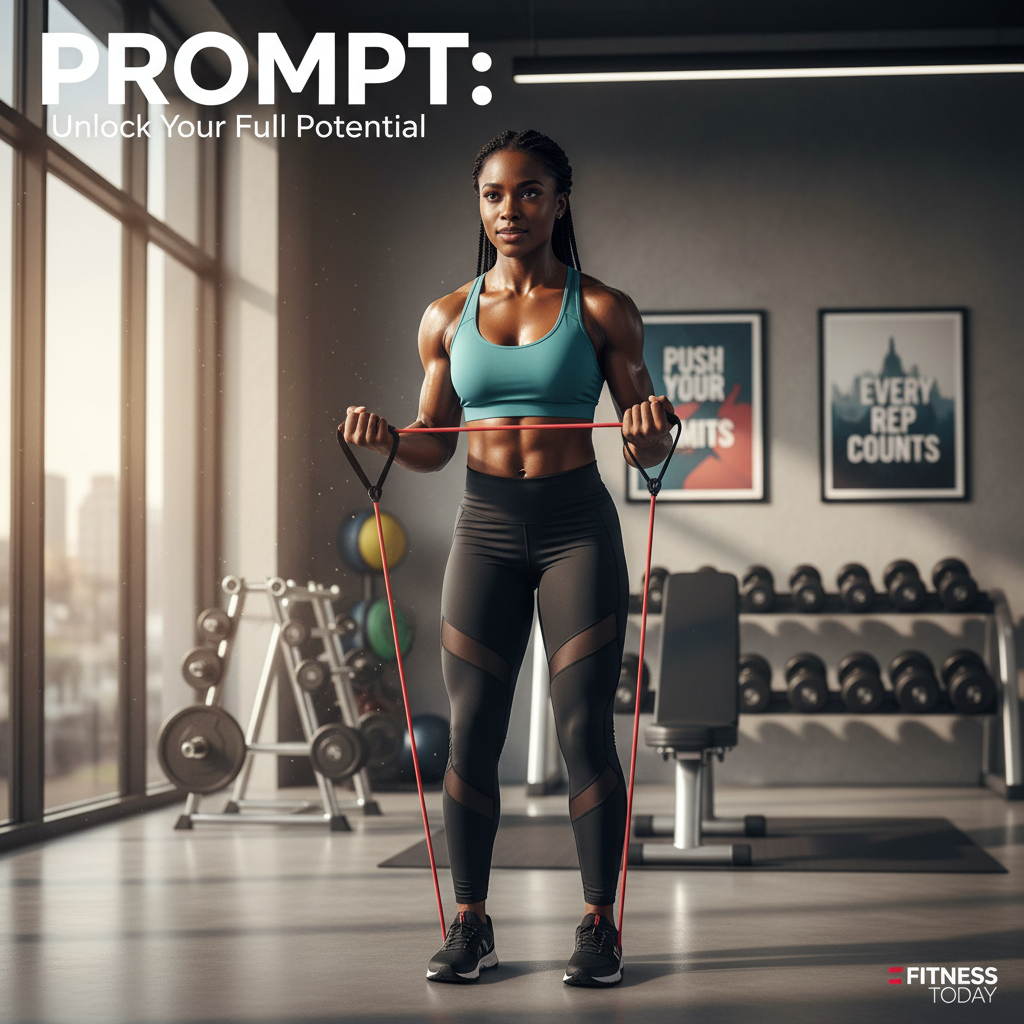
Athletic person uses resistance bands in a modern gym, showcasing strength, energy, and motivation.

Strength Band Training: Best 2026 Guide to Results & Techniques

Why Strength Band Training Is Essential for Modern Fitness

Science-Backed Benefits of Resistance Bands in 2026

Resistance bands are flexible, portable, and highly effective tools for building strength. Research shows that strength band training helps with muscle growth, joint health, and overall fitness. Bands add variable resistance, which means your muscles work harder at the top of each movement, giving you a unique training boost.

  • Improves muscle activation and endurance
  • Boosts strength gains without heavy equipment
  • Reduces risk of injury by providing controlled resistance
  • Enhances balance and stability

Key Differences vs. Free Weights and Machines

Strength band training is different from traditional weightlifting. Bands provide constant tension, which challenges your muscles through the full range of motion. Unlike machines, bands allow natural movement patterns. Also, they’re safer for joints, making them perfect for beginners and advanced users alike.

  • Bands are lightweight and portable
  • Offer multiple resistance levels in one tool
  • Safe for solo workouts at home or outdoors
  • Encourage proper form and technique

Getting Started with Strength Band Training

Choosing the Right Resistance Bands (Levels, Types, Brands)

  1. Select resistance levels: Start with light, medium, and heavy bands. Most brands use color codes for different strengths.
  2. Types: Loop bands are closed circles for legs and glutes. Tube bands with handles suit upper body work. Flat therapy bands are best for stretching.
  3. Brands: Trusted brands in 2026 include TheraBand, Fit Simplify, and Serious Steel Fitness.

Always buy durable, quality resistance bands to avoid snaps or tears.

Essential Equipment & Safe Setup

  • Resistance bands (various strengths)
  • Anchors (door anchor or sturdy object)
  • Mat or soft surface for floor exercises
  • Space for movement

Before starting, check bands for damage. Never stretch a band more than twice its length.

The Foundations: Mastering Band Training Techniques

Common Mistakes to Avoid With Bands

  1. Using the wrong resistance level — too easy or too hard can cause poor results or injury
  2. Allowing bands to snap back uncontrolled
  3. Poor grip or uneven setup
  4. Ignoring form and joint alignment

Proper Form and Core Engagement

  1. Keep your core muscles tight during all movements
  2. Move slowly and control the band at all times
  3. Focus on posture: shoulders down, back straight
  4. Exhale during effort, inhale during return

Step-By-Step: Full-Body Strength Band Training Routine

Dynamic Warm-Up with Bands for Mobility & Injury Prevention

  1. Banded shoulder circles: 10 reps each way
  2. Banded lateral walks: 2 sets of 10 steps
  3. Banded squats: 2 sets of 15 reps
  4. Standing band chest stretches: 10 seconds per side

Foundational Moves for Upper Body Strength

  1. Banded Rows
    • Attach band to anchor, grab ends, and pull towards waist
    • Squeeze shoulder blades together, release slowly
    • 3 sets of 12 reps
  2. Banded Push-Ups
    • Wrap band across upper back, hold ends in hands, perform push-ups against resistance
    • 3 sets of 10-15 reps
  3. Overhead Shoulder Press
    • Stand on band, press handles overhead
    • Lower with control. 3 sets of 10

Core and Lower Body Band Exercises

  1. Banded Deadlifts
    • Stand on band, grab handles, hinge hips back to lower, lift to stand
    • 3 sets of 12 reps
  2. Side-Lying Clamshells
    • Loop band above knees, lie on side, open knees apart
    • 3 sets of 15 reps per leg
  3. Banded Leg Press
    • Lie on back, loop band around feet, press legs out
    • 3 sets of 12 reps

Integrated Total-Body Circuits (With Progression Options)

  1. Do 1 set each:
    • Banded squats (15 reps)
    • Banded rows (12 reps)
    • Banded push-ups (10 reps)
    • Band leg presses (12 reps)
    • 30-second plank using band resistance
  2. Repeat circuit 2-3 times; rest 1 minute between rounds
  3. To progress: Add more reps, use thicker bands, or reduce rest

Mobility & Stability Drills Using Bands

  1. Shoulder dislocations with band: 10 slow reps
  2. Banded hip flexor stretches: Hold 15 seconds each leg
  3. Ankle mobility with band: 10 circles each way
  4. Repeat stretches post-workout

Progressive Overload: How To Build Strength With Bands Over Time

Structuring Your Week: Sample 4-Week Progressive Plan (2026)

Week Sessions Focus Tips
1 3 Learn moves, master form Light bands, higher reps
2 3 Build endurance, add circuits Combine upper/lower moves
3 4 Increase resistance and intensity Shorter rest, thicker bands
4 4 Max performance, test skills Try advanced circuits

Adjusting Intensity and Volume With Bands

  1. Change band thickness to adjust resistance
  2. Increase or decrease repetitions
  3. Add more sets as you progress

Listen to your body. Rest enough between workouts.

When and How to Increase Band Resistance

  1. Move to thicker or stronger bands when 15+ reps are too easy
  2. Check for good form before progressing
  3. Increase resistance every 1-2 weeks for continued results

Special Applications of Strength Band Training

Bands for Athletic Performance & Sport-Specific Drills

  • Speed training: Anchor the band and perform sprints
  • Agility: Use bands for lateral jumps and shuffles
  • Power: Add resistance to explosive moves like jumps

Using Bands for Rehabilitation and Recovery

Physical therapists use resistance bands in rehab. Bands help restore joint function and muscle balance after injury. Use slow, controlled band exercises as prescribed.

Mobility Improvement and Flexibility Hacks With Bands

  1. Use bands to assist deeper stretching (hamstrings, shoulders)
  2. Apply gentle band tension to improve range of motion
  3. Perform daily band stretches for best results

Recovery and Cool-Down: Best Practices After Band Workouts

Band-Assisted Stretching Routines

  1. Banded hamstring stretch: Lie on back, band under foot, gently pull leg up — hold 20 seconds
  2. Banded chest stretch: Hold band behind back, lift arms upward
  3. Repeat each stretch 2-3 times per session

Active Recovery & DOMS Prevention Tips

  • Light cardio after training helps clear soreness
  • Use bands for gentle dynamic stretches and joint movement
  • Stay hydrated and sleep well

Frequently Asked Questions about Strength Band Training

Are Bands Enough for Serious Muscle Gains?

Yes! Resistance bands can build real muscle, especially when you use proper technique and progress resistance over time. Many athletes use bands as their main training tool.

How To Maintain & Store Resistance Bands

  1. Keep bands clean and dry
  2. Do not store in direct sunlight or hot places
  3. Check for cracks and replace damaged bands

Common Troubleshooting and Safety Tips

  1. Always check anchor points and surroundings before exercise
  2. Wear shoes with a grip to prevent slipping
  3. If bands snap or slip, stop immediately and switch equipment

Further Resources and Expert Tips for 2026

Advanced Band Training Moves & Variations

  • Single-arm band rows
  • Plyometric push-ups with band resistance
  • Squat jumps with band around thighs
  • Banded pull-aparts for upper back strength

Where To Find Online Workouts and Training Communities

  • Search videos on YouTube and fitness apps—look for accredited trainers
  • Join Reddit and fitness forums for new routines and support
  • Follow experts and coaches on social media for daily tips

Summary: Strength band training is powerful, safe, and flexible. By starting with the right resistance bands, focusing on proper form, and following a consistent routine, you can gain strength, mobility, and confidence. Remember to progress over time and try new band exercises to keep things fresh. Ready to get stronger with bands? Begin your journey today and enjoy the future of fitness!

Tags: No tags

Add a Comment

Your email address will not be published. Required fields are marked *