
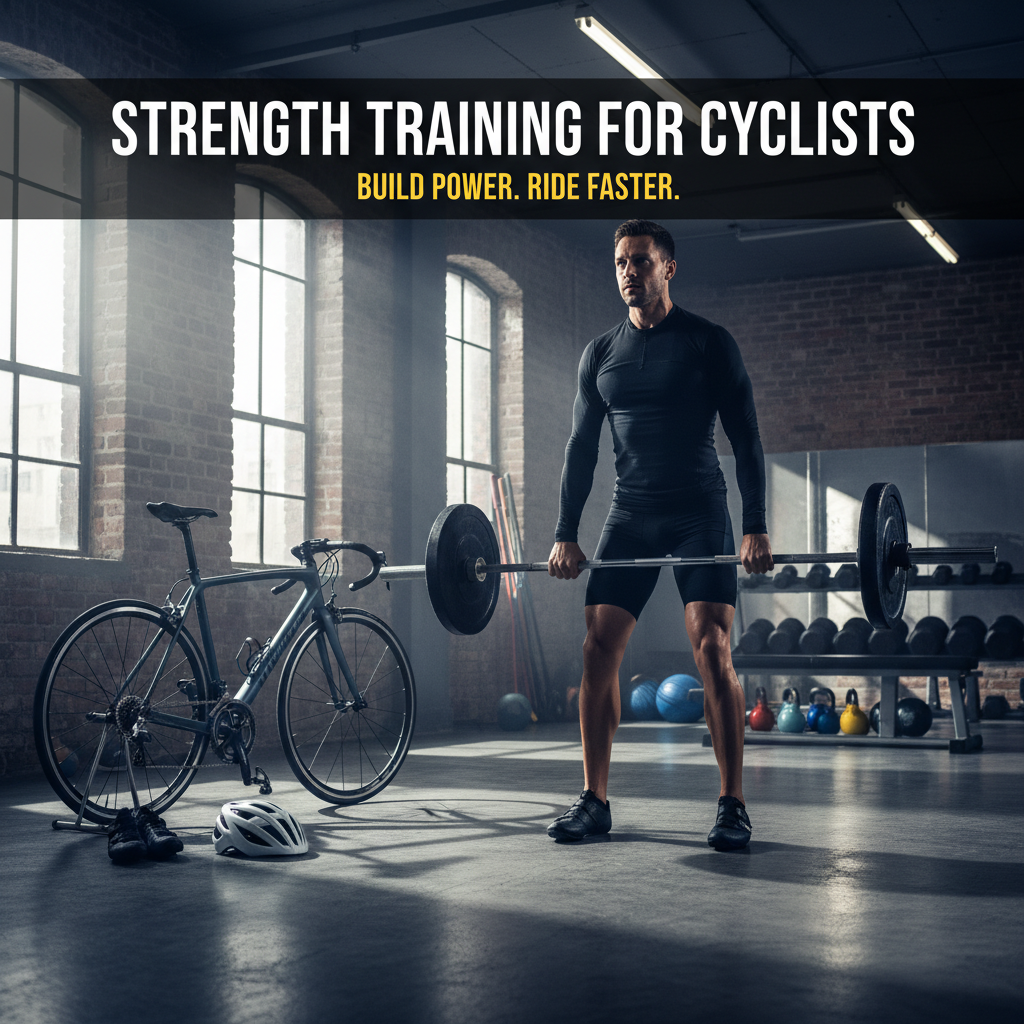
Strength training is no longer just for athletes in the gym. In 2024, new research shows that cyclists who do regular strength work see big improvements in power, endurance, and injury prevention. Stronger legs and core muscles help you push harder, ride longer, and protect your joints. Studies also reveal fewer overuse injuries among cyclists who add strength exercises to their routines.
Strength training helps cyclists in several ways. It boosts the force you can push into the pedals. It improves your balance and control over the bike. Stronger muscles support better posture and reduce fatigue, allowing you to maintain speed. With less chance of injury, you can train and race more consistently.
Cycling-specific strength focuses on muscles essential for riding. Target areas include the legs, hips, glutes, back, and core. The exercises support smooth pedaling and bike control. Unlike general weight lifting, the aim is to enhance cycling performance, not just build muscle size.
Road cyclists benefit from exercises that increase leg power and core stability. This allows for better sprinting, climbing, and efficient pacing. Focus on squats, lunges, step-ups, and planks.
Mountain bikers need explosive power and full-body control. Incorporate plyometrics (like jump squats), upper body work (push-ups, rows), and core stability drills for handling rough terrain.
These riders require a balance of strength, flexibility, and quick reaction skills. Exercises should include mobility work, balance drills, and mix of strength moves for upper/lower body and core.
Sustained leg strength is key here. Practice deadlifts, squats, and hip thrusts for power, along with core strengthening to hold aero positions efficiently.
You don’t need a fancy gym to get strong. Useful home equipment includes resistance bands, a set of dumbbells or kettlebells, a stable chair or box, and a mat. You can use backpacks filled with books or water bottles as makeshift weights.