
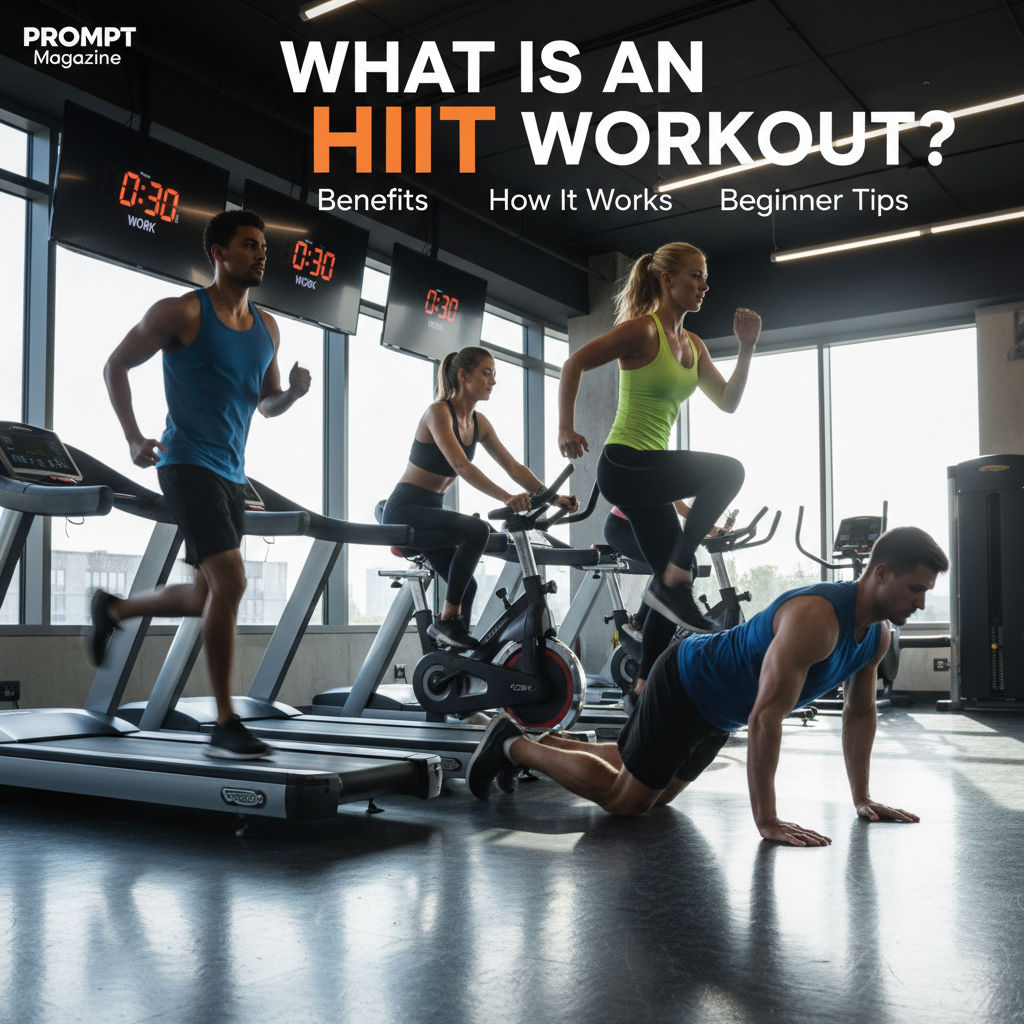
HIIT stands for High-Intensity Interval Training. This is a workout style where you alternate between short bursts of intense activity and periods of rest or low-intensity exercise.
HIIT began in the early 20th century. Coaches saw athletes improve performance by mixing sprints with rest. Over the years, scientists studied HIIT and found it can boost fitness fast in less time. Today, HIIT is backed by research and used by people of all ages.
HIIT is popular because it saves time, improves health, and works for many fitness levels. With busy lives, people want efficient workouts. HIIT also adapts to many goals—from weight loss to strength building.
Traditional cardio, or Moderate Intensity Continuous Training (MICT), involves steady, consistent exercise like jogging for 30 minutes. HIIT burns more calories in less time by alternating intensity.
Steady-state training is consistent effort, often less intense. Hybrid protocols mix elements of HIIT and steady-state. HIIT stands out for its mix of high effort and rest, making workouts shorter but powerful.
Research shows HIIT can burn more fat and improve heart health faster than steady-state cardio. The afterburn effect (burning calories after exercise) is higher with HIIT.
HIIT increases EPOC (Excess Post-Exercise Oxygen Consumption), which helps you burn calories after the workout. It boosts VO2 max, your body’s ability to use oxygen. HIIT also recruits many muscles at once, improving strength and endurance.
In 2026, studies prove HIIT is safe and effective for teens, adults, and seniors. New findings show it also helps mental health and keeps workouts fun and varied.