
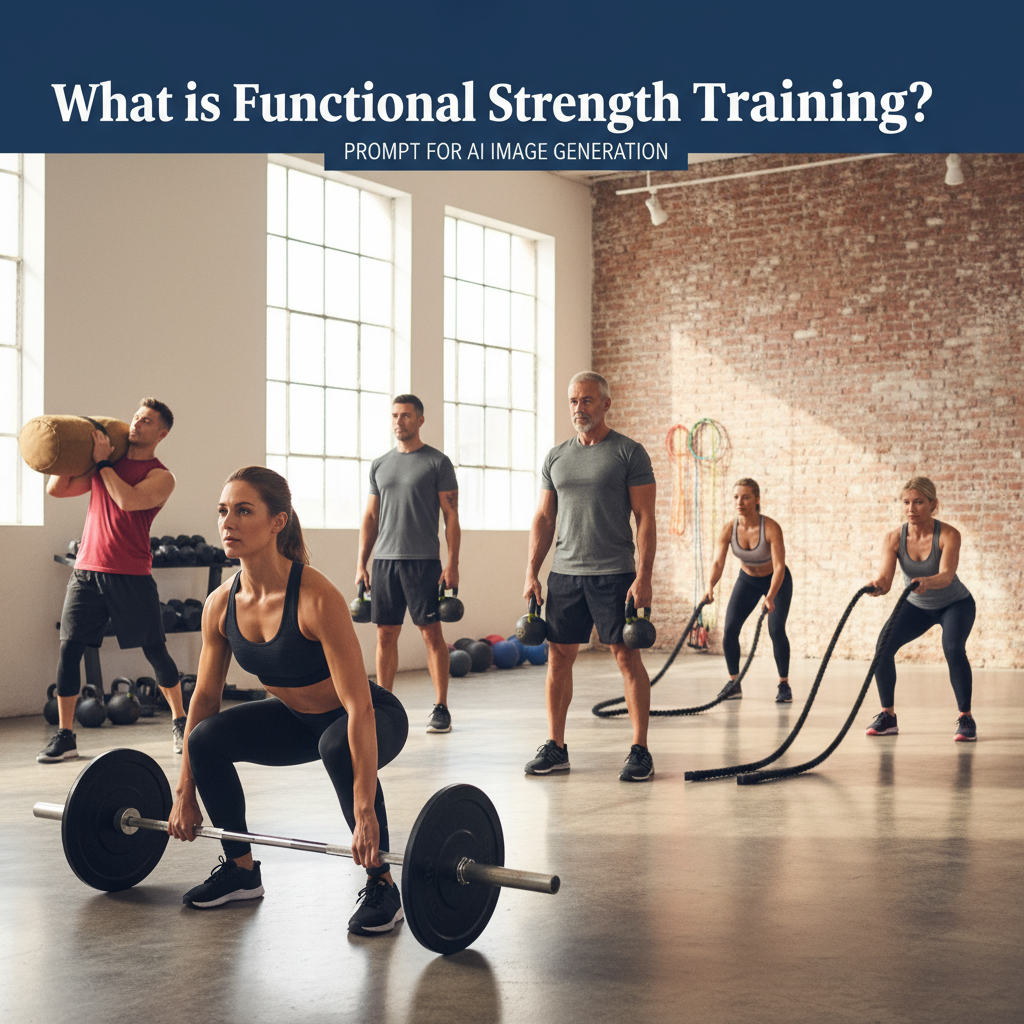
Functional strength training means doing exercises that help you with real-life movements. These moves often use several muscles together—just like daily tasks. Instead of focusing on just one muscle, you train your body to work as a unit.
In 2026, people want to move well, avoid injuries, and stay fit for daily life. Functional strength training is more important than ever because it fits modern, fast-paced lifestyles. It helps you play sports better, work safer, and feel stronger every day.
Functional strength training always uses your core—your stomach, lower back, and hips. These muscles keep you balanced and help prevent injuries. You also train stabilizing muscles around every major joint.
Functional training improves your balance so you don’t fall, your coordination so you move smoothly, and your mobility so you move easily. These skills are important for sports and daily life.
These exercises make it easier to do things like carry groceries or play outside. They protect you from getting hurt by strengthening important muscles and teaching your body how to move safely.
Functional exercises train several muscles at once, saving time. One short session gives you strength, endurance, balance, and flexibility all at once.
Top athletes use functional training to move powerfully and avoid injury. Soccer players, basketball stars, and runners all use these moves in 2026 to boost performance and stay at their best.
Office workers do short sessions at home or in the gym to ease back pain, improve focus, and stay healthy—without needing long workouts.