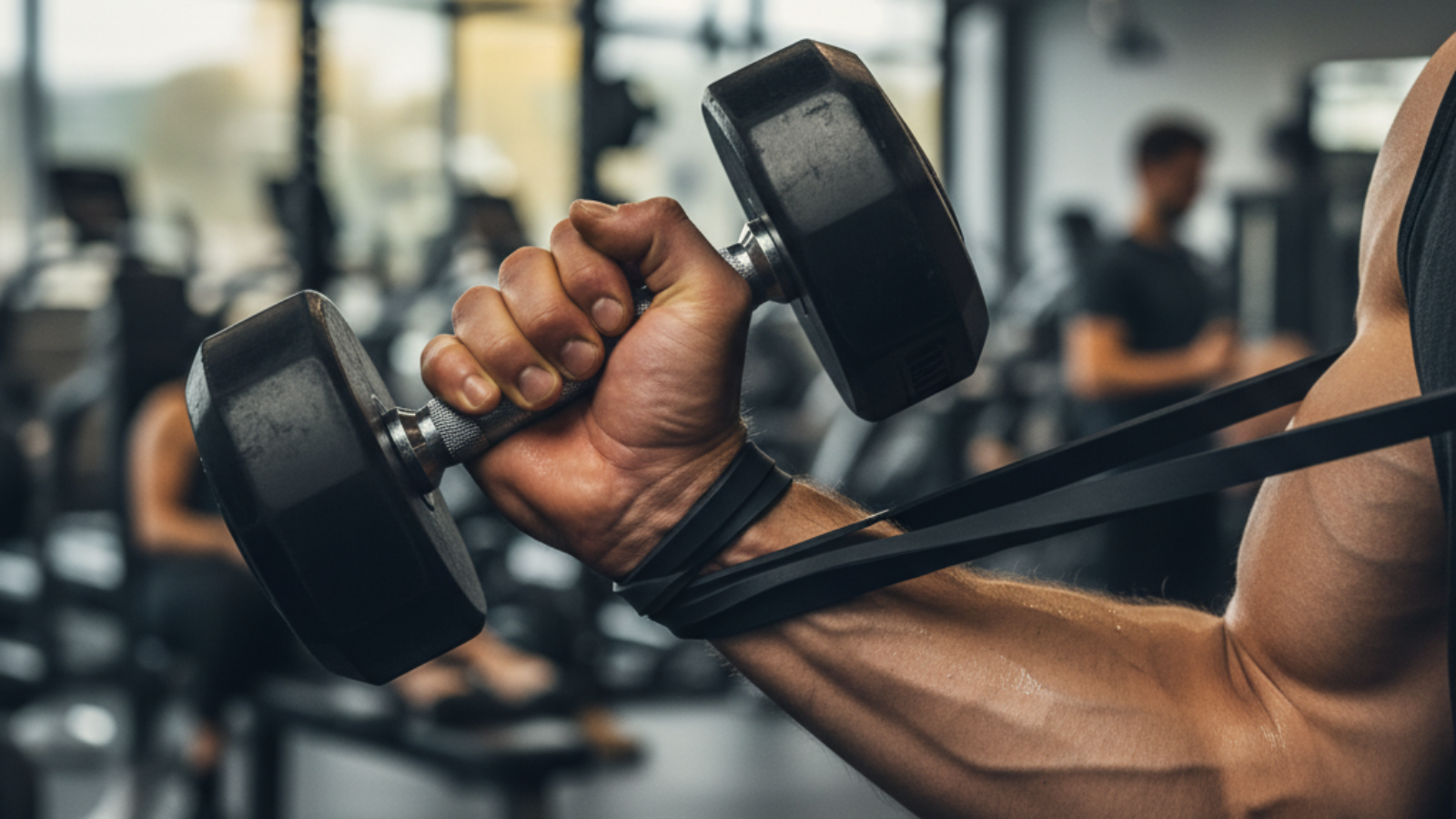
Why Wrist Strength Training Matters in Fitness and Everyday Life
Benefits of Strong Wrists for Athletes and Desk Workers
Wrist strength training is essential for both athletes and people with desk jobs. Strong wrists improve grip, lifting ability, and handwriting stamina. For athletes, powerful wrists boost performance in sports. For desk workers, wrist strength lowers injury risk and supports better posture during long typing sessions.
Common Wrist Weakness Problems and Injury Risks
Weak wrists can cause pain, reduced grip, and make daily tasks harder. Common problems include tendonitis, carpal tunnel syndrome, and sprains. Without wrist strength training, you’re more likely to get injured from sports or even simple tasks like carrying groceries.
Wrist Strength Training Basics: Essential Anatomy and Safety
Understanding the Wrist Joint and Muscles
The wrist is a complex joint made up of eight small bones and many ligaments and tendons. Important muscles include the flexors, extensors, and stabilizers that move the fingers and hand. Training these muscles builds better control and resilience.
Preventing Wrist Injuries: Warm-Ups and Mobility Drills
Wrist warm-ups are crucial before starting wrist strength training. Simple drills boost blood flow and flexibility. Spend 5-10 minutes on:
- Wrist circles: Rotate each wrist 10 times clockwise, then counterclockwise.
- Prayer stretch: Press palms together, fingers pointing up, and gently push down for 20 seconds.
- Reverse prayer stretch: Press backs of hands together, fingers down, and hold for 20 seconds.
- Finger pulls: Gently pull back on each finger and thumb for 5-10 seconds each.
Core Wrist Strength Training Exercises (With Step-by-Step Instructions)
Bodyweight Wrist Strength Moves
- Wrist Push-Ups
- Start in a plank position on your knees or toes.
- Rotate hands outward or place fingers toward knees for easier variation.
- Lower and push up slowly, keeping core tight. Repeat 8-12 reps.
- Fingertip Holds
- Kneel with palms on the floor.
- Lift palms off so only fingertips touch. Hold for 10-20 seconds. Repeat 3-4 times.
Resistance Band and Dumbbell Wrist Exercises
- Wrist Curls With Dumbbells
- Sit with forearm resting on thigh, palm up, holding a light dumbbell.
- Curl the weight up using only your wrist, then lower slowly. Do 12-15 reps per side.
- Reverse Wrist Curls
- Same as above, but with palms facing down. Do 12-15 reps per side.
- Band Wrist Extensions
- Attach a resistance band under your foot.
- Hold the other end and bend at the wrist. Pull up and lower back slowly, 12-15 reps.
Household Item Alternatives for Home Training
- Use a water bottle or can as a dumbbell for wrist curls.
- Try towel wringing: Twist a damp towel tightly for 15-20 seconds per set for grip and wrist strength.
- Fill a bucket halfway with water. Hold it by the handle or edges with straight arms for 20-30 seconds to improve endurance.
Progressive Wrist Strength Training: From Beginner to Advanced
Creating a Progressive Routine (Reps, Sets, Rest)
- Start with 2 sets of 10-12 reps for each exercise, 2-3 times a week.
- Rest 60-90 seconds between sets. Adjust rest as you get stronger.
- Increase reps, weights, or resistance bands every 2 weeks.
Intermediate and Advanced Wrist Exercises (Weighted, Isometrics, Fat Grips)
- Weighted Plate Pinches
- Pinch two weight plates together with fingers and thumb. Hold for 20-40 seconds.
- Isometric Holds
- Push palms together hard and hold for 10-15 seconds, repeat 3-4 times.
- Fat Grip Training
- Wrap a towel or use a thick bar to create a “fat grip” for curls. This increases wrist training intensity.
Measuring Progress and Knowing When to Level Up
- If exercises feel easy for 2-3 sessions in a row, increase resistance or duration.
- Record reps, sets, and weight after each session to track improvement.
- Test grip strength using a handshake or carrying heavy bags. Notice any difference.
Equipment Guide: Choosing the Best Tools for Wrist Strength Training
Home vs. Gym: Essential Gear Compared
| Equipment | Home | Gym | Use |
|---|---|---|---|
| Dumbbells | Yes | Yes | Wrist curls, extensions |
| Resistance Bands | Yes | Yes | Bands for flexibility and resistance |
| Wrist Roller | Optional | Yes | Advanced strengthening |
| Thick Bars/Fat Grips | DIY/Optional | Yes | Grip and wrist training |
| Household Items | Yes | No | Affordable alternative |
Pros and Cons of Wrist Wraps, Grippers, and Braces
- Wrist wraps offer support during heavy exercises but can limit muscle development if overused.
- Hand grippers help build finger and wrist strength. Use them for added resistance.
- Braces protect wrists for rehab, but avoid wearing them all day to prevent muscle weakening.
Adapting Wrist Strength Training for Specific Sports and Activities
For Climbers and Rock Athletes
- Add hangboard training and finger pull-ups for focused wrist and finger strength.
- Use rice bucket twists—grab a bucket of rice and twist hands in different directions for endurance.
For Yogis and Calisthenics Enthusiasts
- Practice downward dog, plank, and side plank to load and strengthen wrists.
- Try slow, controlled wrist rocks on all fours to boost wrist endurance and control.
For Tennis, Golf, and Racket Sports
- Combine wrist curls, pronation/supination drills, and hammer rotations with a dumbbell for sport-specific strength.
- Stretch after practice to prevent stiffness and overuse injuries.
Wrist Strength Training for Rehab and Pain Relief
Safe Rehab Protocols and When to Seek Help
- Start with gentle range-of-motion movements like wrist circles and soft towel wringing.
- Gradually add light resistance as pain fades.
- If pain increases or swelling occurs, stop and consult a healthcare professional.
Wrist Training with Pre-existing Conditions (Carpal Tunnel, Tendonitis)
- Avoid exercises that cause pain or numbness. Start with gentle stretches only.
- Ice sore wrists after training. Use wrist braces at night if needed.
- Always follow doctor or physical therapist advice before progressing drills.
Troubleshooting: Common Problems and How to Fix Them
Why Isn’t My Wrist Strength Improving?
- Check your routine: Are you adding more reps, resistance, or new exercises regularly?
- Rest is as important as training. Over training can stall progress.
- Nutrition and hydration matter. Eat protein-rich foods and drink plenty of water.
Managing Pain and Preventing Overuse Injuries
- Never “work through the pain.” If pain persists, stop and assess form or decrease intensity.
- Include stretching and mobility drills on non-training days.
- Alternate wrist training with grip and forearm exercises to balance muscle use.
FAQ: Wrist Strength Training Questions Answered (2026 Edition)
How often should I train wrists?
2-3 times per week is enough for most. Rest between sessions supports muscle recovery and growth.
Can wrist strength improve grip and lifts?
Yes. Strong wrists support heavier lifts and better grip stamina. This helps in weight training, sports, and everyday tasks.
Are wrist wraps beneficial or harmful?
Use wraps for heavy lifts or when recovering from injury. Avoid constant use, as they may limit muscle growth if overused.
Is it safe to train wrists daily?
Daily training is not recommended for beginners. Allow at least one rest day between sessions for full recovery.
Next Steps and Resources for Continued Wrist Strength Gains
- Track your workouts in a journal or app to notice improvements.
- Gradually increase exercise difficulty by adding weight, time, or reps.
- Read books and watch videos from trusted fitness experts about wrist strength training.
- Join online forums or local classes for feedback and motivation.
Remember, wrist strength training is a long-term investment in health and performance. Start slow, stay consistent, and build strength step by step!