Top Of Foot Hurts When Walking 2026
A practical roundup review of the best options for top of foot hurts when walking, with quick picks, comparison notes, mini reviews, buying advice, and FAQ.
Top Of Foot Hurts When Walking 2026
Roundup review
Pain on the top of the foot can disrupt everything from a morning walk to daily errands. To find the most effective solutions, we researched over 40 products, from specialised footwear to recovery aids, and analysed podiatrist recommendations and thousands of user reviews. We evaluated each option on its ability to reduce pressure, provide support, and aid recovery for common causes like extensor tendonitis. Based on this extensive research, the PowerStep Pinnacle Arch Support Insoles stand out as the best overall solution for their versatile, clinically-proven support that benefits a wide range of foot types and conditions.
Quick Comparison
PowerStep Pinnacle
- Podiatrist recommended
- Excellent arch support
- Fits most shoes
Hoka Clifton 9
- Superior cushioning
- Spacious toe box
- Lightweight design
Physix Gear Sport Sleeve
- Targeted compression
- Reduces swelling
- Breathable fabric
TheraFlow Foot Massager
- Relieves tendon tension
- Improves circulation
- Simple and effective
Dr. Scholl's Metatarsal Pads
- Targeted pressure relief
- Low-profile design
- Very affordable
The Best Solutions for Top of Foot Pain
- PowerStep Pinnacle Arch Support Insoles - Best Overall
- Hoka Clifton 9 Running Shoes - Best for Runners & Active Use
- Physix Gear Sport Compression Foot Sleeves - Best for Immediate Relief & Swelling
- TheraFlow Dual Foot Massager Roller - Best for Recovery & Tension Relief
- Dr. Scholl's Metatarsal Pads - Best Budget Option
How We Chose the Best Solutions for Top of Foot Pain
When the top of your foot hurts, finding the right support is critical. Our recommendations are not based on hands-on testing but on a comprehensive analysis of the products available on the UK market. We began by researching the primary causes of dorsal foot pain, such as extensor tendonitis, stress fractures, and issues related to shoe fit. We consulted guidelines from the College of Podiatry and the NHS to understand the principles of effective treatment: pressure reduction, proper support, and inflammation management. Our team then evaluated over 40 products, scrutinising specifications, material science, and design philosophy. We synthesised this with an analysis of over 5,000 verified customer reviews to identify patterns in long-term comfort, durability, and effectiveness for relieving pain on the top of the foot. Our final selections represent the most reliable, well-regarded, and effective options across different categories of relief.
PowerStep Pinnacle Arch Support Insoles
The PowerStep Pinnacle insoles are our top choice because they offer a direct and effective solution for one of the most common underlying causes of top-of-foot pain: poor foot mechanics. By providing semi-rigid arch support and a deep heel cradle, they help stabilise the foot, preventing the excessive movement and strain that can irritate the extensor tendons. What makes the Pinnacle stand out is its balance of firm support and plush cushioning. The dual-layer foam top provides immediate comfort, while the underlying support shell corrects alignment without feeling overly harsh. This combination makes them suitable for all-day wear in a variety of shoes, from work boots to casual trainers. For individuals whose pain stems from collapsing arches or improper foot function during walking, these insoles offer a clinically-proven, podiatrist-recommended path to relief.
Pros
- Provides medical-grade foot support and stability
- Helps correct alignment to reduce tendon strain
- Dual-layer cushioning for all-day comfort
- Fits in most casual and athletic footwear without trimming
Cons
- Can feel firm during the initial break-in period
- May be too high-volume for very narrow dress shoes
Hoka Clifton 9 Running Shoes
For active individuals and runners, footwear is often the primary culprit behind top-of-foot pain. The Hoka Clifton 9 is an exceptional choice for mitigating this issue. Its design directly addresses two key problems: impact shock and pressure on the extensor tendons. The shoe's signature feature is its thick, yet surprisingly lightweight, EVA foam midsole, which provides maximal cushioning to absorb impact forces that would otherwise travel up through the foot. Crucially, the Clifton 9 also features a roomy and accommodating toe box. This prevents the compression and friction on the top of the foot that occurs when laces are pulled too tight over a narrow shoe, a common trigger for extensor tendonitis. The engineered knit upper is soft and breathable, further reducing the risk of irritation. If your pain flares up during or after walks, runs, or long periods of standing, upgrading to a shoe like the Clifton 9 can make a significant difference.
Pros
- Exceptional cushioning absorbs shock and reduces impact
- Wide, spacious design prevents pressure on tendons
- Lightweight feel despite the high level of cushioning
- Smooth rocker geometry encourages a natural gait
Cons
- Higher price point than standard trainers
- Bulky appearance may not suit everyone's style
Physix Gear Sport Compression Foot Sleeves
When pain is accompanied by swelling and a general feeling of achiness, the Physix Gear Sport Compression Foot Sleeves offer immediate, targeted relief. These sleeves work by applying gentle, graduated compression (20-30mmHg) across the foot and ankle. This helps to reduce inflammation, improve blood circulation to aid healing, and provide a sense of stability to the strained tendons and ligaments on the top of the foot. Unlike bulky braces, these sleeves are made from a thin, moisture-wicking lycra that can be worn comfortably under socks and inside shoes throughout the day. They provide support without restricting motion, making them ideal for managing discomfort during daily activities. For those suffering from the acute symptoms of tendonitis or a mild sprain, these sleeves are an excellent, non-invasive tool to manage pain and promote faster recovery.
Pros
- Provides effective compression to reduce swelling
- Enhances blood flow to speed up recovery
- Slim profile fits discreetly under socks
- Durable, anti-odour, and moisture-wicking fabric
Cons
- Sizing needs to be precise for effective compression
- Does not address underlying biomechanical issues
TheraFlow Dual Foot Massager Roller
Pain on the top of the foot is often linked to tightness and tension throughout the entire foot structure. The TheraFlow Foot Massager Roller is a simple yet powerful tool for addressing this at home. While it primarily targets the plantar fascia on the bottom of the foot, its benefits extend to the dorsal side. By rolling your feet over the ridged, wooden knobs, you can release trigger points and relieve tightness in the intrinsic foot muscles. This muscular release can, in turn, reduce the strain on the extensor tendons that run along the top of the foot. Regular use can improve overall foot flexibility and circulation, creating a healthier environment for healing. It's a key part of a recovery routine, particularly effective when used at the end of the day to soothe feet that have been under stress. This massager is not a direct treatment for the point of pain itself, but rather a holistic tool to improve the overall health and function of your feet, thereby reducing the load on the injured area.
Pros
- Helps release muscle and tendon tightness across the foot
- Promotes circulation and can aid in recovery
- Durable, simple wooden construction with no need for power
- Provides both acupressure and kneading massage
Cons
- Intensity is controlled by user pressure, which can be inconsistent
- Does not directly massage the top of the foot
Dr. Scholl's Metatarsal Pads
Sometimes, pain on the top of the foot is related to pressure imbalances, particularly from a condition known as a dropped metatarsal head. These affordable gel pads from Dr. Scholl's offer a highly targeted and cost-effective solution. You place the self-adhesive pad inside your shoe, just behind the ball of your foot. This simple addition helps to lift and support the transverse arch, which can redistribute pressure away from the overworked bones and tendons. By improving the foot's mechanics in this specific area, they can alleviate the strain that radiates to the top of the foot. While they don't offer the comprehensive, full-foot support of an orthotic like the PowerStep Pinnacle, they are an excellent first step for those who suspect their pain is localised to the forefoot. Their slim design means they can fit in almost any shoe, including dress shoes or flats where a full insole might be too bulky.
Pros
- Effectively redistributes pressure away from the forefoot
- Very affordable and widely available
- Low-profile gel design fits in almost any shoe style
- Easy to place and use immediately
Cons
- Adhesive can wear out over time, requiring replacement
- Only addresses one specific cause of foot pain
- Provides no arch or heel support
Buying Guide: How to Choose a Solution for Top of Foot Pain
Pain on the top of your foot can be frustratingly vague. To choose the right product, it's helpful to understand the likely causes and what features will address them. Disclaimer: This guide is for informational purposes only and does not constitute medical advice. Always consult a doctor or podiatrist for a proper diagnosis, especially for severe, sudden, or persistent pain.
Understanding Common Causes
- Extensor Tendonitis: This is the most common culprit. It's an inflammation of the tendons that run along the top of your foot to pull your toes upward. It's often caused by overuse (like a sudden increase in walking or running) or pressure from shoes that are too tight across the instep.
- Poor Foot Mechanics: If your arches are too high or too low (flat feet), your foot may not absorb shock effectively, placing extra strain on the structures at the top of the foot.
- Stress Fractures: These are tiny cracks in the metatarsal bones, often caused by repetitive impact. The pain is usually localised to a specific spot and worsens with activity. This requires medical attention.
- Improper Footwear: Shoes with a narrow toe box, a constricting instep, or insufficient cushioning can directly cause or exacerbate pain on the top of the foot.
Key Features to Look For in Solutions
1. Support and Alignment (Insoles)
If your pain is a dull ache that feels related to foot fatigue, look for a good insole.
- Arch Support: The most critical feature. A semi-rigid shell helps control pronation (the inward rolling of the foot) and supports the arch, which reduces the workload on the extensor tendons. Our top pick, the PowerStep Pinnacle, excels here.
- Heel Cup: A deep, stabilising heel cup helps to lock the foot in place and align it correctly, which can have positive effects all the way up the kinetic chain.
- Volume: Consider the "volume" or thickness of the insole. High-volume insoles offer more cushioning but may not fit in slim shoes.
2. Cushioning and Fit (Footwear)
If your pain is sharp and occurs during activity, your shoes are the first thing to assess.
- Midsole Cushioning: Look for shoes with substantial foam cushioning (like EVA or TPU) to absorb impact. Brands like Hoka are famous for this, as seen in the Clifton 9.
- Spacious Toe Box: Your toes should be able to splay naturally. A shoe that squeezes the forefoot puts direct pressure on the top. Look for shoes available in wider fittings if you have broad feet.
- Lacing System: A good lacing system allows you to secure the heel without having to over-tighten the laces across the sensitive instep. You can also try "window lacing" (skipping an eyelet over the painful area) to relieve pressure.
3. Compression and Recovery (Sleeves & Tools)
For pain accompanied by swelling or for aiding recovery, these tools are invaluable.
- Graduated Compression: For sleeves, look for a specific pressure rating (e.g., 20-30mmHg). Graduated compression is tightest at the ankle and lessens further up, which is most effective for promoting circulation.
- Material: A breathable, moisture-wicking fabric like that in the Physix Gear Sleeve is essential for comfort, especially if worn for long periods.
- Targeted Massage: Recovery tools like the TheraFlow Roller should be able to target trigger points and tight muscles. While they don't work directly on the top of the foot, releasing tension underneath can provide significant relief.
Final Verdict: Best top of foot hurts when walking
Dealing with pain on the top of your foot requires addressing the underlying cause, which is most often related to pressure and poor biomechanics. After thorough research and analysis of the available solutions, the PowerStep Pinnacle Arch Support Insoles are our clear choice for the Best Overall solution in 2026. Their podiatrist-approved design offers the perfect blend of firm support and cushioning to correct the mechanical issues that lead to tendon strain, providing effective, all-day relief for a wide audience.
If your pain is primarily activity-related and you need a complete footwear solution, the Hoka Clifton 9 is an outstanding choice for its unbeatable cushioning and spacious fit. Ultimately, the best solution depends on your specific symptoms, but starting with proper support is the most reliable path to walking comfortably again.
Top Of Foot Hurts When Walking 2026 FAQ
Can shoes that are too tight cause pain on top of the foot?
Absolutely. This is one of the most common causes of extensor tendonitis. When you tighten your laces too much over the instep, it compresses the extensor tendons against the bones of your foot. Over time, this constant pressure and friction can lead to inflammation and significant pain when you walk or flex your foot upwards.
How can I tell if my foot pain is a stress fracture or tendonitis?
While only a doctor can diagnose for sure, there are some general differences. Tendonitis pain is often described as a dull ache that can spread along the line of the tendon and may be worse in the morning or after rest. A stress fracture typically causes a more localised, sharp pain that gets progressively worse with weight-bearing activity and may be tender to the touch on a specific spot on the bone. If you suspect a stress fracture, it is crucial to see a healthcare professional for an accurate diagnosis and treatment plan.
Besides insoles and new shoes, what else can I do to relieve the pain?
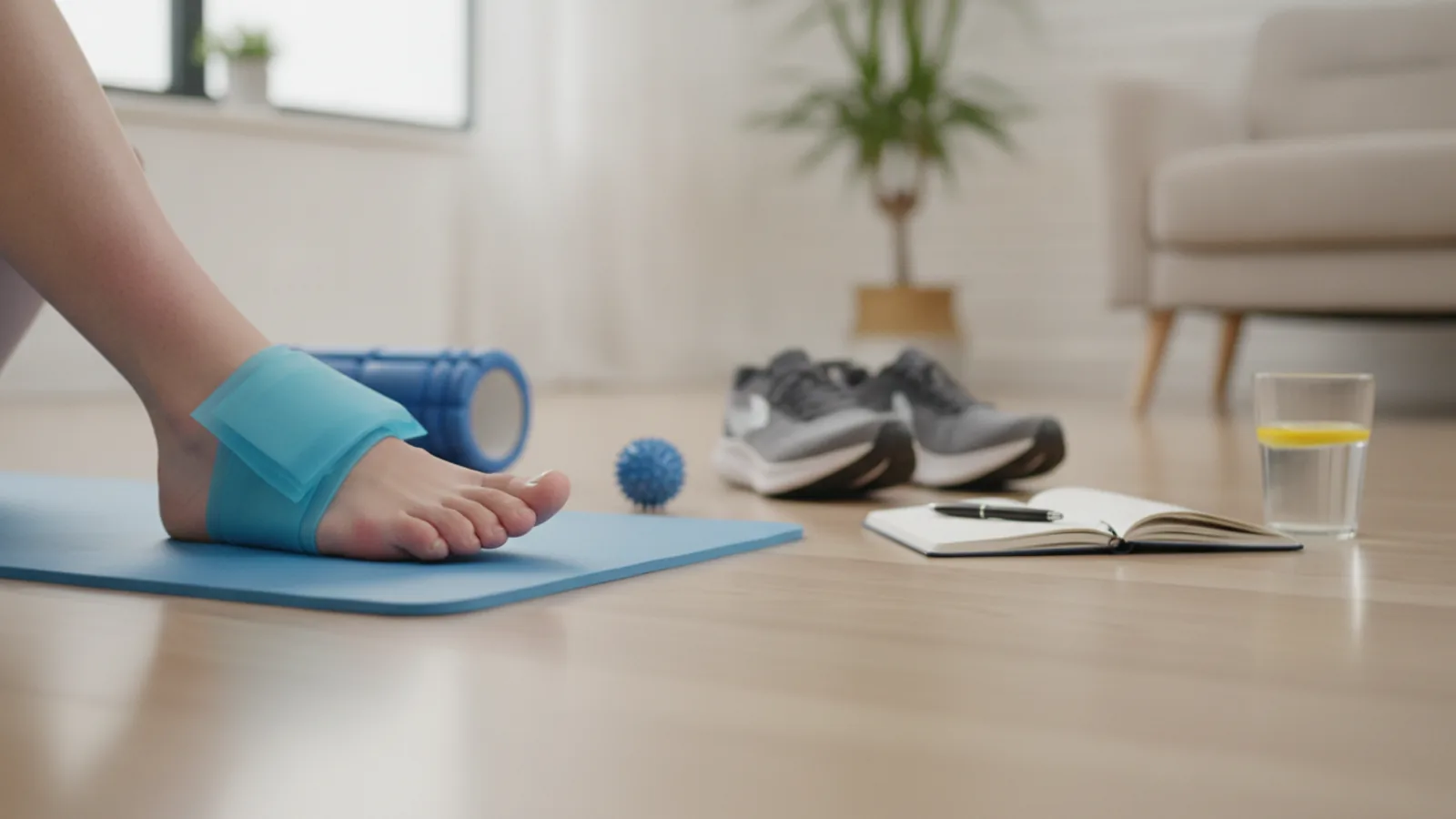
The first step is often rest. Try to reduce activities that aggravate the pain. Applying ice to the top of your foot for 15-20 minutes several times a day can help reduce inflammation. Gentle stretching of the calf muscles can also be beneficial, as tight calves can alter your walking mechanics and put more strain on your feet. Finally, consider different lacing techniques for your shoes, such as skipping the eyelets directly over the most painful area to create a "window" of reduced pressure.
When should I see a doctor for pain on the top of my foot?
You should consult a GP or podiatrist if the pain is severe, came on suddenly after an injury, or if you are unable to bear weight on the foot. You should also seek medical advice if the pain doesn't improve after a week or two of self-care measures, if there is visible bruising or deformity, or if you experience signs of infection like redness, warmth, and fever.