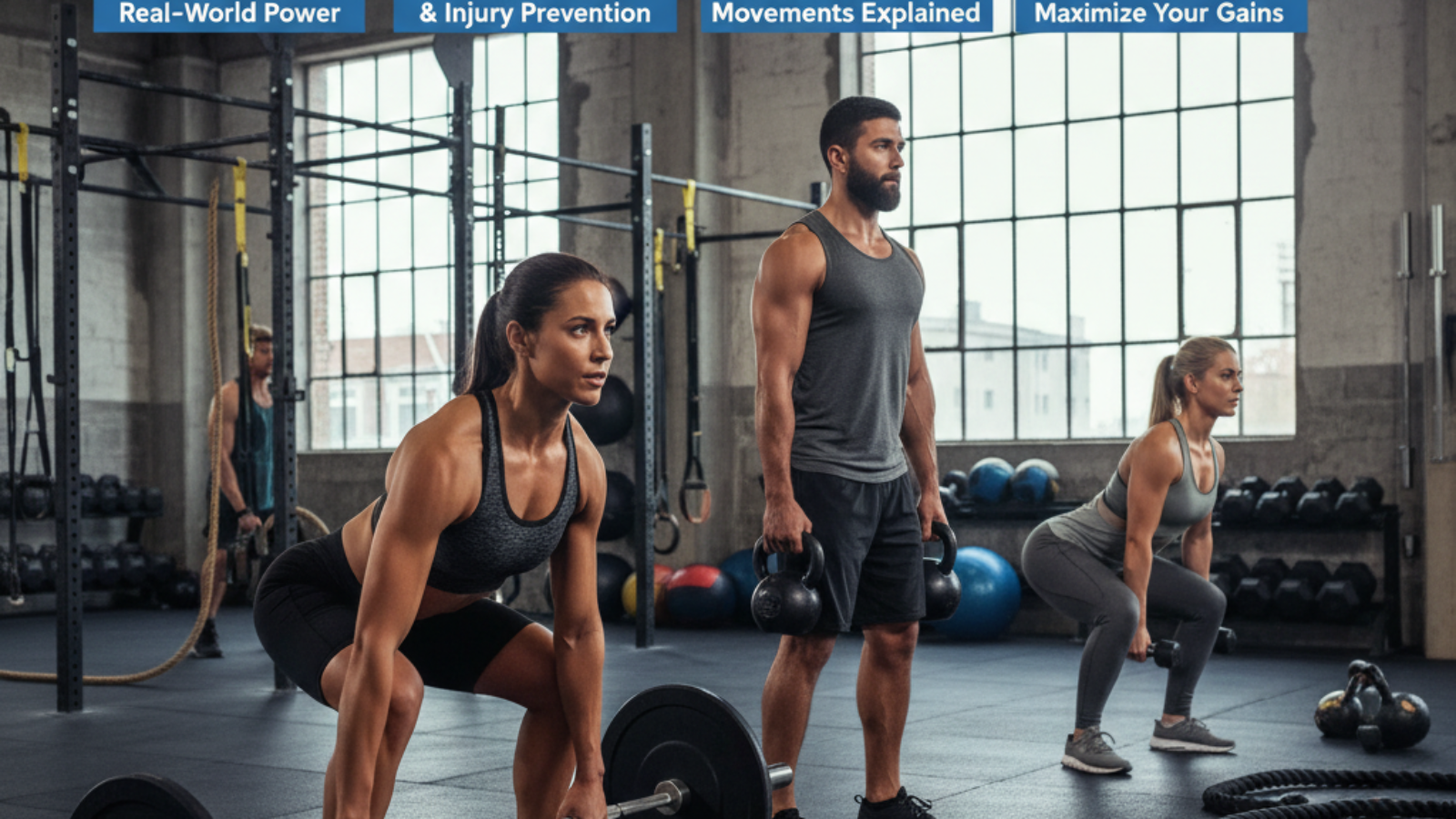
Functional Strength Training Explained in 2026
Defining Functional Strength Training for Modern Lifestyles
Functional strength training focuses on building strength for activities you do every day. These exercises use movements that mimic real-life activities, like lifting groceries or climbing stairs. Unlike other workouts, functional training trains your muscles to work together, making you stronger for modern life.
Functional vs. Traditional Strength Training: Key Differences
Traditional strength training often targets one muscle group at a time, like bicep curls. Functional training uses movements that combine several joints and muscles at once. For example, a squat with a shoulder press mimics standing up while lifting an object overhead. Functional training improves overall movement, balance, and coordination, while traditional training mainly increases muscle size and strength.
The Real-World Benefits of Functional Strength Training
Elevating Daily Life and Sports Performance
Functional strength training prepares you for everyday actions. It can help you carry heavy backpacks, play sports, and move more easily. This training boosts your performance in and out of the gym by improving endurance, agility, and strength for real tasks.
Enhancing Injury Prevention and Recovery in 2026
Because functional exercises mimic daily movements, they make your body more resilient. This helps prevent injuries by teaching your muscles and joints to move safely. If you’re recovering from an injury, functional training can help restore strength and stability, making recovery faster and smarter.
Improving Balance, Mobility, and Coordination
Functional strength training includes exercises that challenge your balance and coordination. It also helps improve flexibility and range of motion. These benefits make it easier to move confidently, especially as you age or take on new sports and activities.
Who Should Do Functional Strength Training?
Athletes, Seniors, and Everyday Movers
Functional strength training is for everyone—young, old, athletes, and people who just want to stay active. Athletes use it to boost performance, while seniors find it helps maintain independence. People with busy lives enjoy greater energy and less risk of injuries.
Adapting for Different Ages and Abilities
Exercises can be modified for all fitness levels. Beginners can start with simple movements, while advanced users add weights or complex patterns. Young people, adults, and seniors can adapt training to suit their needs and goals, keeping workouts safe and effective.
Functional Training for Special Populations in 2026
People with disabilities, chronic conditions, or unique health needs can also benefit. With the help of smart technology and expert guidance, training plans can be tailored to support rehabilitation, mobility, and everyday activities safely in 2026.
Core Principles and Movement Patterns
The 7 Fundamental Movement Patterns
- Squat
- Hinge (like deadlifts)
- Lunge
- Push
- Pull
- Rotate
- Gait (walking and running)
Functional strength training uses these movement patterns because they mirror real actions and use multiple muscle groups together.
How Multi-Joint Exercises Translate to Daily Activities
Exercises that use more than one joint reflect how your body moves outside the gym. For example, lifting a box uses your knees, hips, back, and arms all at once. Training these patterns makes common tasks easier and safer.
Quality over Quantity: The 2026 Approach
Focus on doing movements correctly, not on doing the most repetitions. Proper technique reduces injury risk and brings better results. It’s better to do a few good repetitions than many bad ones.
How to Start Functional Strength Training at Home or Gym
Basic Equipment and Smart Home Tech Essentials
- Bodyweight (no equipment needed to start!)
- Light dumbbells or resistance bands
- Stability ball or BOSU ball
- Kettlebells
- Yoga mat
- Fitness tracking app or smartwatch (for feedback and goal setting)
Step-by-Step Beginner Functional Strength Routine
- Warm-up: marching in place, arm circles (5 minutes)
- Bodyweight squat (10–15 reps)
- Push-up on knees or full push-up (8–12 reps)
- Stationary lunge (8–10 reps per leg)
- Standing row (with band or dumbbells, 10 reps)
- Plank hold (20–30 seconds)
- Repeat the circuit 2–3 times, resting 60 seconds between rounds
- Cool down and stretch for 5 minutes
Progressing from Beginner to Advanced Safely
- Add more repetitions or another circuit round
- Use heavier weights or resistance
- Try single-leg exercises for more balance
- Advance to exercises like burpees, jumping lunges, or kettlebell swings
- Track results using a fitness app to safely increase intensity
Personalized Functional Strength: Leveraging AI and Tech
Using AI Assessment Tools for Your Training Blueprint
In 2026, apps and wearables can analyze your movement with AI. After a simple video assessment, the AI builds a custom workout plan based on your goals and weaknesses. This ensures a smarter and more personal training experience.
Tracking Progress with Apps, Wearables, and IoT Devices
Fitness trackers, smartwatches, and connected gym apps monitor your heart rate, reps, and progress. These tools keep you motivated and help spot improvements in strength and mobility, so you know you’re on track.
Using VR/AR Guidance for Form Correction at Home
Wearable VR/AR tools now offer feedback on your exercise in real time. They highlight incorrect form and guide you to adjust movements safely, making high-quality coaching available at home for everyone.
Gamified and Adaptive Functional Training Plans (2026)
Building Motivation with Game-Style Progression
Modern functional training uses apps that turn exercise into a game. Complete challenges, unlock levels, and collect rewards while working out. This keeps training fun and engaging, helping you stick with it long term.
How to Customize Training for Your Sport or Goals
Choose exercises that match your favorite sport or activity. Soccer players can focus on lunges and jumps, while runners benefit from core and balance work. Custom plans help each person reach their unique goals faster.
Multi-Generational Plans: Family and Senior Functional Routines
Families can train together with beginner, intermediate, and senior levels. Each person follows a plan adapted to their age and ability, helping everyone build functional strength side by side.
Functional Strength Training FAQ: Expert Answers for 2026
How Often Should You Do Functional Strength Training?
2–3 sessions per week are ideal for most people. Rest between days helps your muscles recover and grow stronger. Advanced users may train more often, but recovery is still crucial.
Can Functional Strength Training Replace Traditional Lifting?
Yes, for most people. Functional training covers all the basic needs for health, strength, and movement. If you have special bodybuilding goals, you might still use traditional lifting as a supplement.
What Are the Signs of Progress and Success?
- Everyday activities feel easier
- Better posture, balance, and coordination
- Increased weights or difficulty over time
- Less fatigue and fewer injuries
Further Resources and Next Steps in Functional Strength Training
Latest Research and Trends (2025–2026)
- Wearable tech improves live form correction
- AI-driven personal coaching grows more accurate
- Online group training and virtual competitions expand motivation
Recommended Apps, Videos, and Professional Guidance
- Top-rated fitness apps with functional routines
- Introductory videos led by certified trainers
- Options for virtual consultations with physical therapists and coaches
Community Groups and Challenge Platforms for Ongoing Motivation
- Online support groups for accountability
- Weekly and monthly fitness challenges
- Local meetups and virtual events for all abilities
By understanding and using functional strength training, you can improve your health, performance, and confidence for everyday life. Start simply, use technology for support, and gradually increase your challenge to get stronger, move better, and enjoy a healthier future.