Deadlift Basics: What Makes It a Full-Body Powerhouse
1. Overview – Why the Deadlift Is a Game-Changer
The deadlift is known as one of the most effective strength-building exercises. It works many muscles at once and is called a “full-body powerhouse” because it trains your legs, back, core, and even your grip. By lifting weight from the ground, you get stronger for everyday life and sports. Deadlifts help improve posture, power, and body balance.
2. Types of Deadlifts and Their Unique Muscle Emphasis
There are several ways to do deadlifts, each focusing on slightly different muscles. The most popular types are:
- Conventional Deadlift – Classic style, works the whole back and legs.
- Sumo Deadlift – Feet wide, stresses inner legs and hips.
- Romanian Deadlift – Focuses more on hamstrings and glutes.
- Trap Bar Deadlift – Uses a special bar, eases stress on lower back.
- Single-Leg Deadlift – Improves balance and single-leg strength.
Muscle Groups Worked by Deadlifts
3. Primary Muscles – Posterior Chain Focus
The main muscles deadlifts work are called the “posterior chain.” This group includes:
- Glutes (buttocks)
- Hamstrings (back of your thigh)
- Lower Back (erector spinae)
These strong muscles help you stand, jump, and pick up objects with power.
4. Secondary and Stabilizing Muscles Engaged
Deadlifts also involve muscles that help with balance and support. These include:
- Quadriceps (front of thighs)
- Core muscles (abs and obliques)
- Forearms and grip muscles
- Upper back (trapezius, rhomboids, lats)
Working these muscles helps you lift safely and build overall strength.
5. Underappreciated Muscles: Unexpected Benefits
Some muscles get a surprise workout during deadlifts, such as:
- Calves (as stabilizers)
- Neck muscles (keeping your head in position)
- Small hand and finger muscles (for grip)
Science Behind Muscle Activation in Deadlifts
6. How Different Phases Activate Different Muscles
The deadlift has three phases: the lift-off, lockout, and lowering.
- Lift-off: Legs and lower back work hardest to start the movement.
- Lockout: Glutes and hips finish the move, bringing you to a stand.
- Lowering: Hamstrings and back control the weight as you return to the ground.
7. EMG Studies: Which Muscles Actually Work the Hardest?
Research with wires called EMG sensors shows the glutes and hamstrings activate the most, especially with heavy weights. The lower back and core also work hard to support the spine.
8. Myth-Busting: Are Chest and Arms Really Involved?
Some think deadlifts are a chest or arm exercise, but these muscles are only stabilizers. Your chest and arms help hold the bar, but they do not do most of the lifting.
How to Perform the Deadlift: Step-by-Step for Maximum Muscle Engagement
9. Conventional Deadlift: Proper Form and Technique
- Set Up: Place feet hip-width apart, toes under the bar.
- Grip: Bend at hips and knees, grab the bar just outside your legs.
- Start: Keep back flat, chest up, and tighten your core.
- Lift: Push through your heels, stand tall with the bar close to your body.
- Finish: At the top, squeeze glutes and stand straight. Lower the bar under control.
10. Sumo Deadlift: When and Why to Use It
- Stance: Feet wide, toes pointing out.
- Grip: Hands inside your knees on the bar.
- Lift: Push your knees out, drive hips forward as you stand.
- Benefits: Good for people with long legs or hip flexibility issues. Targets inner thighs.
11. Romanian, Trap Bar, and Single-Leg Variations
- Romanian Deadlift: Bend less at the knees, keep legs straighter to focus on hamstrings.
- Trap Bar Deadlift: Use a hex-shaped bar for easier back position and grip.
- Single-Leg Deadlift: Lift one leg behind as you lower the weight. Builds balance and hip strength.
Maximizing Results: Programming Deadlifts for Your Fitness Goals
12. Deadlift Routines for Hypertrophy (Muscle Growth)
For bigger muscles, use lighter weights and higher reps (8-12 per set). Rest 1-2 minutes between sets. Train deadlifts 1-2 times per week.
13. Strength and Athletic Performance Deadlift Plans
For power, lift heavier weights for fewer reps (3-6 per set). Rest 2-3 minutes between sets. This builds maximum strength and explosiveness.
14. Fat Loss and Metabolic Conditioning with Deadlifts
Use deadlifts in circuits with short rests to burn calories and boost metabolism. Try lighter weights, more reps, and faster pace for fat loss.
Warm-Ups and Mobility: Preparing Muscles for Safe Deadlifting
15. Dynamic Mobility Drills for Key Muscle Groups
- Leg swings and hip circles for hips and glutes
- Cat-cow stretch for lower back mobility
- Bodyweight lunges to warm up the legs
- Core activation (planks or dead bugs)
16. Injury Prevention and Muscle Readiness
Always warm up with 5-10 minutes of light cardio. Start deadlift sessions with empty-bar or light-weight sets before going heavier. Keep movements smooth and controlled.
Common Mistakes: Why You Might Not Feel Deadlifts Working the Right Muscles
17. Movement Errors and Muscle Inactivation
- Rounded back – increases risk of injury and reduces glute/leg work
- Pushing with arms – arms are just hooks, not levers
- Lifting too quickly or with jerky motion
18. Quick Fixes and Cues for Better Muscle Engagement
- Think “push the ground away” instead of “lift the bar”
- Keep bar close to body for better back and leg activation
- Squeeze glutes at the top for full lockout
Advanced Tips and Tools for Tracking Muscle Engagement
19. Using Apps, Wearables, and Progress Charts
Fitness apps can record sets, weight, and reps. Wearable devices track movement and muscle use. Progress charts help you see improvement and keep you motivated.
20. Printable Deadlift and Muscle Activation Checklists
- Checklist for proper form (flat back, bar path, core tight)
- Checklist for muscles (glutes, hamstrings, abs working in each rep)
Interactive Visual Guide: Deadlift Muscles Worked (2026)
21. Annotated Muscle Diagrams
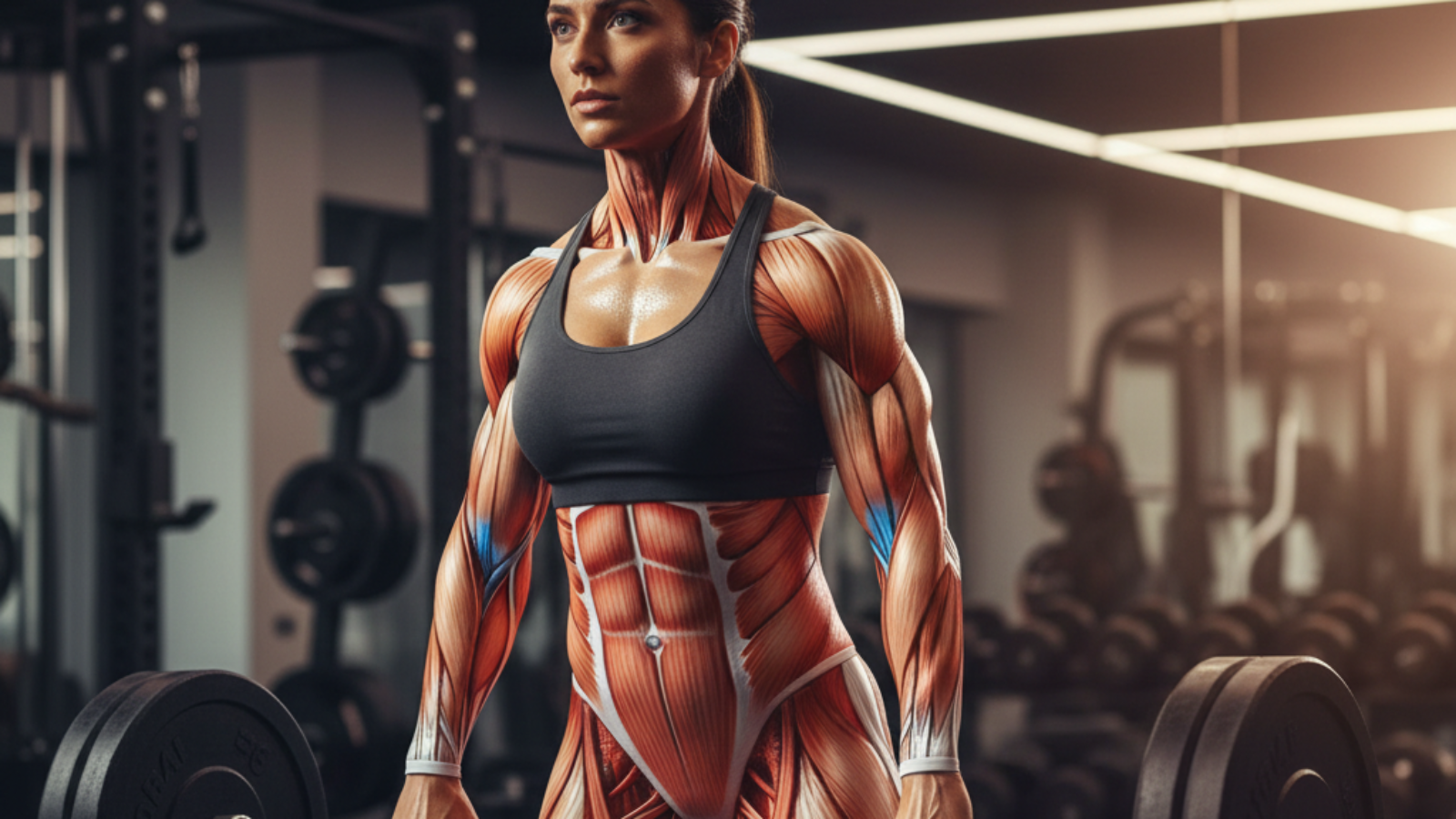
Visual guides show which muscles the deadlift uses. Glutes, hamstrings, and lower back are highlighted, with others marked for support.
22. Short Animation: Muscles in Action During Each Phase
Animations display muscles lighting up during the lift. These help you learn how to feel each muscle working in your own body.
Frequently Asked Questions About Deadlift Muscles
23. Can Deadlifts Replace Other Leg/Back Exercises?
Deadlifts train many muscles, but it’s best to include squats and rows for complete development. Each exercise has unique benefits.
24. What to Do If You Only Feel Deadlifts in Your Lower Back?
This might mean your form needs fixing. Focus on pushing through legs, bracing your core, and keeping your back neutral. Lower the weight and practice with perfect form.
25. How Often Should I Deadlift for Maximum Muscle Gain?
Deadlifting 1-2 times a week is usually enough. Muscles need time to recover and grow. Too many sessions can cause fatigue or injury.
References and Further Reading (2026 Fitness Science and Research)
- Latest studies on deadlift muscle activation
- Fitness science books and websites
- Recommended channels for muscle tutorials and exercise safety
Summary: The deadlift is one of the most powerful exercises for building a stronger body. It’s important to use proper form, choose the right style for your needs, and focus on muscle feeling rather than just weights. Warm up, avoid common mistakes, and track your progress for the best results. Keep learning and enjoy becoming stronger and healthier!