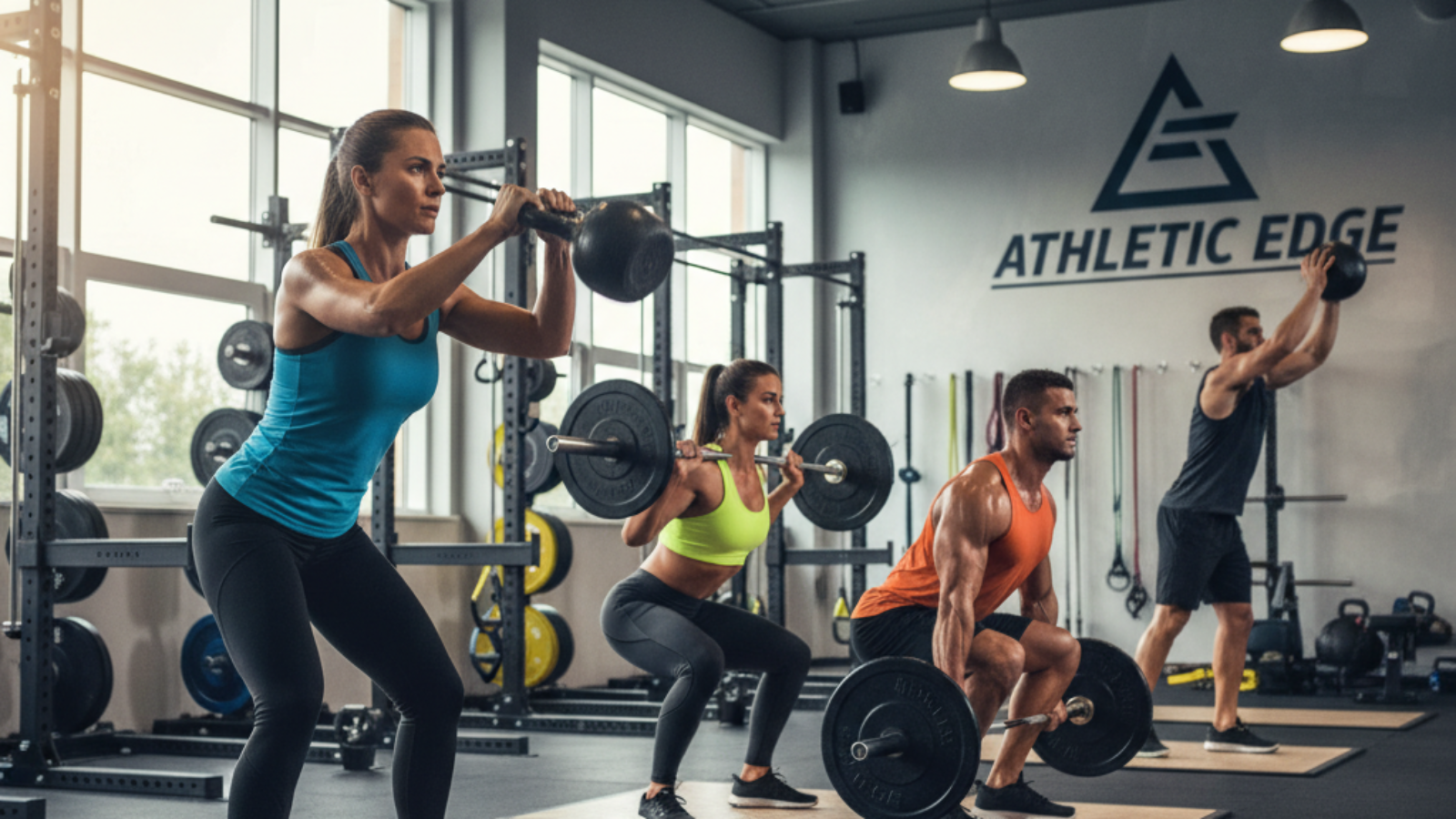
Understanding Functional Weight Training
What is Functional Weight Training?
Functional weight training is a way of exercising with weights to improve how your body works in real life. These exercises help your muscles work together, making your daily movements easier and safer. Instead of training just to look strong, functional training teaches your whole body to move better and stay healthy.
Benefits of Functional Weight Training in 2026
Functional weight training is more popular than ever in 2026. Here are some key benefits:
- Improves balance and coordination
- Builds useful strength for daily tasks
- Increases joint mobility and flexibility
- Helps prevent injuries
- Boosts athletic performance
- Fits all ages and skill levels
Functional vs. Traditional Weight Training
Traditional weight training often focuses on single muscles. For example, doing bicep curls only works your arms. Functional weight training uses movements that work many muscles together, such as squats or lunges. These exercises copy how you move every day, making them more helpful for life outside the gym.
Foundations: Mobility, Flexibility, and Injury Prevention
Why Mobility Matters for Functional Weight Training
Mobility is your ability to move your joints easily. Good mobility helps you train with the right form and avoid injury. It lets you move in a full range of motion, which is important for strength and health.
Dynamic Warm-Up Routines and Mobility Drills
Always start your workouts with a dynamic warm-up to prepare your body. Here are some dynamic warm-up steps:
- March in place for 1 minute
- Arm circles for 30 seconds
- Leg swings (front to back, side to side) for 1 minute
- Hip circles for 30 seconds
- Bodyweight squats for 10 reps
- Walking lunges for 10 reps (5 each leg)
- Plank for 20 seconds
Common Mobility Limitations and How to Address Them
Some people have tight hips, stiff ankles, or limited shoulder movement. If you feel tight during exercises, add mobility drills such as:
- Hip flexor stretch: Kneel on one knee, push hips forward
- Ankle circles: Move foot in a circle for 1 minute
- Shoulder pass-through: Hold a stick or band and bring arms overhead and behind
Do these drills daily to improve your mobility.
Key Functional Weight Training Exercises (With Mobility Focus)
Squats: Biomechanics, Mobility Tips, and Real-Life Uses
Squats are a top functional exercise. They work your legs, hips, and core. Here’s how to do a safe squat:
- Stand with feet shoulder-width apart
- Keep chest up and back straight
- Bend hips and knees to lower your body, as if sitting in a chair
- Lower until thighs are parallel to the floor or as low as your mobility allows
- Push through heels to stand back up
Mobility Tip: If your heels lift or knees fall inward, do more hip and ankle mobility drills.
Use: Squats help with sitting, standing, and lifting in daily life.
Deadlifts: Proper Form, Flexibility Integration, and Common Mistakes
Deadlifts build strong hips, back, and legs. Here’s a step-by-step:
- Stand with feet hip-width apart, bar or weight in front
- Bend at hips and knees, keeping back straight
- Grab the weight with both hands
- Lift chest, tighten core, and stand up, lifting the weight along your body
- Lower the weight with control to the ground
Flexibility Tip: If you can’t reach the weight without rounding your back, try deadlifts with dumbbells on an elevated surface or work on hamstring flexibility.
Common Mistake: Never round your back during deadlifts.
Lunges & Step-Ups: Movement Patterns and Injury Prevention
Lunges and step-ups train balance and single-leg strength. Follow these steps for lunges:
- Stand tall, feet together
- Step forward with one leg
- Bend both knees to lower body (back knee near floor)
- Push off front foot to return to start
For step-ups, step onto a sturdy box or step, then lower back down.
Injury Prevention: Keep your front knee above your ankle, not past your toes.
Pushes & Pulls: How to Maximize Efficiency and Safety
Push and pull exercises train your upper body. Examples:
- Push-ups: Place hands on the floor, lower chest, push back up
- Pull-ups or rows: Pull your chest to a bar or weight toward your body
Safety Tip: Keep your back straight and shoulders away from your ears during both moves.
Carries, Crawls, and Rotational Movements: Core, Balance, and Stability
Carries (like farmer’s carry), crawls (bear crawl), and rotational exercises (Russian twist) build a strong core, balance, and ability to move in all directions. Try these:
- Farmer’s carry: Hold a weight in each hand, walk straight for 30 seconds
- Bear crawl: On hands and feet, move forward and backward for 20 seconds
- Russian twist: Sit with feet off the ground, twist your torso left and right holding a weight
Building Your Functional Weight Training Program
Beginner, Intermediate, and Advanced Progressions
- Beginner: Use bodyweight or light weights. Focus on form and full range of motion.
- Intermediate: Add more weight or try challenging variations (split squats, single-leg deadlifts).
- Advanced: Use tools (kettlebells, resistance bands), add unstable surfaces, or combine movements (squat with an overhead press).
Programming for Specific Goals (Fat Loss, Strength, Longevity, Sports)
- Fat Loss: Use circuit style (minimal rest between exercises and rounds)
- Strength: Choose heavier weights, fewer reps, longer rest
- Longevity: Focus on mobility, flexibility, and safe movements
- Sports: Use exercises that match your sport’s movements
Weekly Example Routines for Different Experience Levels
| Level | Monday | Wednesday | Friday |
|---|---|---|---|
| Beginner | Full body (Squat, Push-up, Plank) | Full body (Lunge, Row, Glute bridge) | Full body (Step-up, Deadlift, Farmer’s carry) |
| Intermediate | Upper body + core (Push, Pull, Twist) | Lower body + balance (Squat, Lunge, Step-up) | Power + rotation (Deadlift, Rotational lunge, Russian twist) |
| Advanced | Hybrid circuits (Squat to press, Pull-up, Crawls) | Sport-specific drills and power moves | Challenge day: Combine all key movement patterns |
Integrating Functional Training with Hybrid and HIIT Workouts
Mix functional exercises into your HIIT (High-Intensity Interval Training) or hybrid routines for better results. Example circuit:
- 20 seconds squat
- 10 seconds rest
- 20 seconds push-up
- 10 seconds rest
- 20 seconds step-up
- 10 seconds rest
- Repeat for 3-4 rounds
Avoiding Common Mistakes in Functional Weight Training
Most Frequent Technique Errors and How to Fix Them
- Rounding the back in deadlifts: Keep chest up, shoulders back
- Knees caving in during squats or lunges: Actively push knees outward
- Holding breath: Remember to breathe out during the hard part of each exercise
How to Adjust for Mobility Restrictions and Prevent Injury
- Use blocks or benches for support
- Lower the weight or start with bodyweight
- Spend time daily on stretching and mobility drills
Adapting Your Routine for Consistency and Long-Term Progress
- Track your exercises and weights every session
- Progress slowly—add weight or reps only when you feel ready
- Listen to your body and take rest days as needed
Tech Forward: Using Wearables and Apps in Your 2026 Functional Weight Training
Top Apps for Tracking Progress and Recovery
- FitTrack Pro: Logs your workouts and tracks mobility
- Strong 2026: Plans your routines and shows proper exercise form
- FlexiLog: Tracks stretching, recovery, and sleep
Wearable Devices for Optimizing Performance and Avoiding Overtraining
- Smartwatches (records steps, heart rate, rest time)
- Wearable movement sensors (tells if you have good form)
- Sleep trackers (helps manage recovery)
Maximizing Results with Data-Driven Adjustments
Review your progress each week. If the data shows low energy or slow progress, adjust your workouts, eat better, or rest more. Use the feedback from apps and devices to stay healthy and get stronger.
Frequently Asked Questions about Functional Weight Training
- Is functional weight training safe for beginners? Yes, if you use the right form and start with easy moves.
- How often should I train? 2-4 times a week is best for most people.
- Can I do functional training at home? Yes, many exercises can be done with just bodyweight or simple equipment.
- How do I know when to add more weight? When you can do all sets without losing form and feel it’s easy, add 2-5% more weight.
- What if I get injured? Stop the exercise, rest, and see a doctor if needed. Learn proper form before trying again.
Resources and Further Reading for Functional Weight Training Enthusiasts
- Books: “Functional Training Anatomy” by Kevin Carr, “The Supple Leopard” by Kelly Starrett
- Websites: Bodybuilding.com Functional Training Section, ExRx.net Exercise Library
- Apps: FitTrack Pro, Strong 2026, FlexiLog
- Videos: Search “functional weight training beginner routine” on YouTube
Summary and Next Steps
Functional weight training helps you move better, get stronger, and prevent injuries. Focus on mobility and good form before adding weight. Use supportive tech tools to track your progress. Step by step, you’ll master functional weight training and improve your real-life strength and health. Try the sample routines and remember: Consistency and patience bring results!