
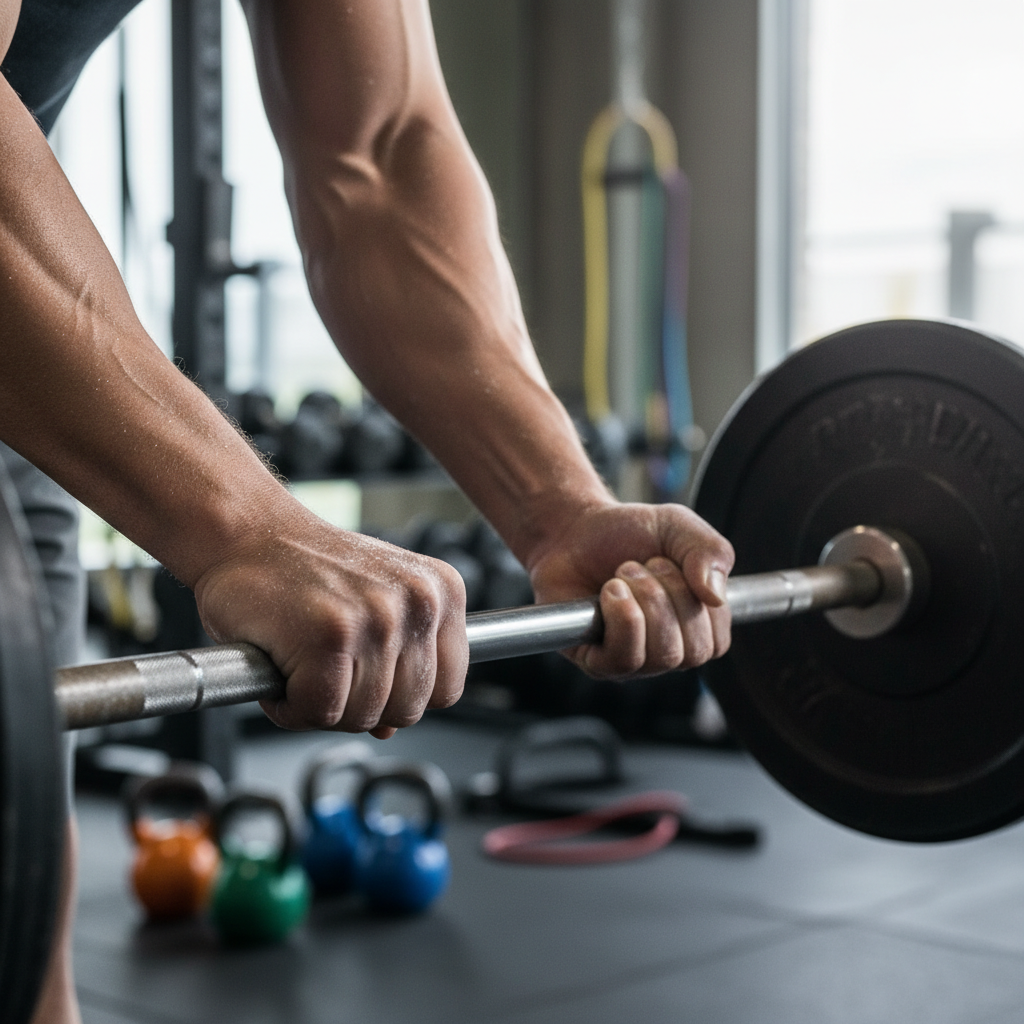
Why Grip Strength Training Matters in 2026
Health Benefits of Strong Grip
Having a strong grip brings many health benefits. It can help manage weight, improve heart health, and increase bone strength. A good grip also means you can do daily tasks like opening jars or carrying bags more easily.
Athletic Performance and Everyday Functionality
Grip strength is important in sports like basketball, tennis, rock climbing, and football. It also helps you hold onto things safely in daily life, reducing the risk of falls and accidents.
Scientific Evidence and Recent Studies
Recent studies show that people with strong grip strength often live longer and have a lower chance of getting injured. Scientists use hand grip tests to check overall health and strength in both young people and adults.
Understanding Grip Strength: Types and Key Muscles
Crushing Grip vs. Pinching Grip vs. Supporting Grip
- Crushing Grip: Squeezing something in your hand, like a tennis ball.
- Pinching Grip: Pinching objects between your fingers and thumb.
- Supporting Grip: Holding onto something for a longer time, like hanging from a bar.
Forearm, Hand, and Finger Muscles Involved
Grip strength comes from muscles in your forearms, hands, and fingers. Training these muscles makes your grip stronger and more stable.
How to Assess Your Baseline Grip Strength
- Use a hand dynamometer at school, gym, or clinic to measure how hard you squeeze.
- Try a simple test: Hang from a bar and time how long you can hold on.
- Record your results. This will help you see your progress later.
Essential Equipment for Grip Strength Training
Home vs. Gym Options
- Gyms have bars, dumbbells, kettlebells, and grip tools.
- At home, you can use sturdy chairs or household objects to train your grip.
DIY and Minimalist Gear
- Use towels, water bottles, or buckets filled with books or sand.
- Rubber bands and tennis balls are great for finger exercises.
Safety Considerations
- Always warm up your hands, wrists, and arms before starting.
- Check your equipment for damage or wear.
- If you feel pain, stop and rest.
Grip Strength Training Exercises for All Levels
Beginner-Friendly Grip Exercises (Bodyweight & Rehab Options)
Dead Hang Variations
- Find a pull-up bar or sturdy branch.
- Jump or step up and grab the bar with both hands, palms facing forward.
- Hang with arms straight for as long as you can. Try to hold for 10–30 seconds, rest, and repeat 3 times.
Towel Squeezes and Wrist Extensions
- Take a dry towel and roll it up.
- Squeeze the towel with one hand for 10–30 seconds, then switch hands.
- For wrist extensions, hold a light water bottle in your hand, palm down, and slowly lift your hand up, then lower it.
Intermediate Grip Exercises (Free Weights & Household Items)
Farmer’s Walks
- Hold a heavy object in each hand (such as dumbbells, water jugs, or bags of books).
- Stand tall and walk in a straight line for 30–60 seconds. Rest and repeat 2–3 times.
Plate Pinches
- Hold two weight plates (or books) together between your thumb and fingers.
- Pinch them tight and hold for as long as you can.
Reverse and Standard Wrist Curls
- Sit on a chair and rest your forearms on your thighs, palms up for standard curls or palms down for reverse curls.
- Hold a small weight in each hand and curl your wrists up and down for 10–15 repetitions, 2–3 sets.
Advanced Grip Exercises (Challenge Your Limits)
Towel Pull-Ups and Fat Bar Holds
- Loop a towel over a pull-up bar and grip each end for towel pull-ups.
- Do pull-ups or just hang to strengthen your grip.
- For fat bar holds, wrap a thick towel or foam around a bar and hold on as long as you can.
Fingertip Push-Ups and Wrist Rollers
- Start with knees on the ground if needed, then do push-ups on your fingertips.
- For wrist rollers, tie a weight to a stick or sturdy tube with a rope, and roll it up and down using your hands and forearms.
Pinch Block and Lever Lifts
- Use a pinch block or thick brick, hold it between your fingers and thumb, and lift for time or reps.
- For lever lifts, hold a hammer or stick at one end and lift the other end using just your wrist.
Specialized Grip Training: Customizing for Goals and Needs
For Athletes: Sport-Specific Grip Routines
Athletes can add exercises like rope climbs, wrist curls, or ball squeezes for their sports. Tennis and rock climbing athletes may need more pinching and supporting grip work.
For Older Adults: Safe Progressions and Joint Care
Use light objects, soft balls, or water bottles. Increase weight and time slowly. Always do gentle stretches before and after training to protect joints.
For Injury Rehab and Prevention
Begin with slow movements, soft objects, and light resistance. Focus on movements that do not cause pain. Consult a healthcare professional for personalized ideas.
Creating an Effective Grip Strength Program
Frequency, Volume, and Rest Recommendations
- Train grip strength 2–3 times per week.
- Rest at least 48 hours between sessions to recover.
- Start with 2 sets of each exercise and add more as you get stronger.
Integrating Grip Work Into Your Current Training
- Add grip exercises at the end of your workout or during warm-ups.
- Use grip-training tools when watching TV or reading.
Progression Techniques (Weighted, Timed, Isometric Variations)
- Increase weight slowly, or hold for longer times.
- Try isometric holds (holding still in one position) to boost strength.
- Change grips or objects to keep challenging your hands.
Measuring Progress and Staying Motivated
Grip Strength Tests and Tracking Tools
- Hang from a bar and record your time weekly.
- Use a hand dynamometer monthly.
- Keep a logbook or use an app to track exercises and times.
Setting Realistic Milestones
- Aim to add a few seconds to your hang time every week.
- Increase your pinch or hold weight every month.
- Set small, clear goals and celebrate each milestone.
Overcoming Plateaus
- Change exercises if you stop improving.
- Try using different equipment or new grips.
- Rest longer if you feel tired, then return with new energy.
Common Mistakes and How to Avoid Grip Overuse Injuries
Proper Form and Technique Tips
Keep your wrist straight and do not twist while lifting. Use slow, controlled movements. Never use a broken or slippery object.
Warm-Up and Recovery Essentials
- Warm up your hands and wrists with easy stretches and hand circles for 5–10 minutes before training.
- Cool down with gentle stretching and hand massages to support recovery.
When to Scale Back
- If you feel pain, swelling, or numbness, take a break until it passes.
- Skip exercises that cause sharp pain or injury.
- Start again with lighter weights or easier moves.
Frequently Asked Questions About Grip Strength Training Exercises
- How long does it take to see results? Most people see stronger grips in 4–8 weeks with regular training.
- Will strong grip make my hands bigger? Your hands may look more muscular, but bones will not grow. Strength and function will increase.
- Can I train grip strength every day? It is best to leave at least one rest day between grip workouts for recovery.
- What if I have weak or injured hands? Start with easy, low-resistance options and speak to a doctor if you have pain.
Additional Resources: Videos, Apps, and Community Challenges (2026)
- Look for exercise videos and tutorials on trusted health platforms.
- Use apps to track your grip progress and find new routines.
- Join online challenges or school clubs to stay motivated together.
Improving your grip strength is simple when you follow clear goals and enjoy the process. Start with easy exercises, use what you have at home or at the gym, and be safe. Check your progress, set goals, and challenge yourself as you improve. Strong grip helps you in sports, school, and daily life. Begin today, stay consistent, and enjoy a healthier, stronger future!
