How Much Protein In Bacon
A practical step-by-step guide to how much protein in bacon, including preparation, instructions, common issues, tips, and next steps.
How Much Protein In Bacon
Figuring out the exact protein content of bacon can be confusing. The amount changes significantly depending on the cut, whether you measure it raw or cooked, and how crispy you like it. This guide provides a clear, step-by-step process to accurately calculate the protein in your portion, helping you make informed dietary choices. We'll walk you through reading nutrition labels correctly and using a simple weighing method for the most precise results.
Fast Answer
- Typical Cooked Bacon: Around 30-40g of protein per 100g.
- Most Accurate Method: Weigh your bacon *after* cooking and use the "per 100g cooked" value from the label.
- Key Factor: Bacon loses significant weight from fat and water during cooking, which concentrates the protein.
Before You Start
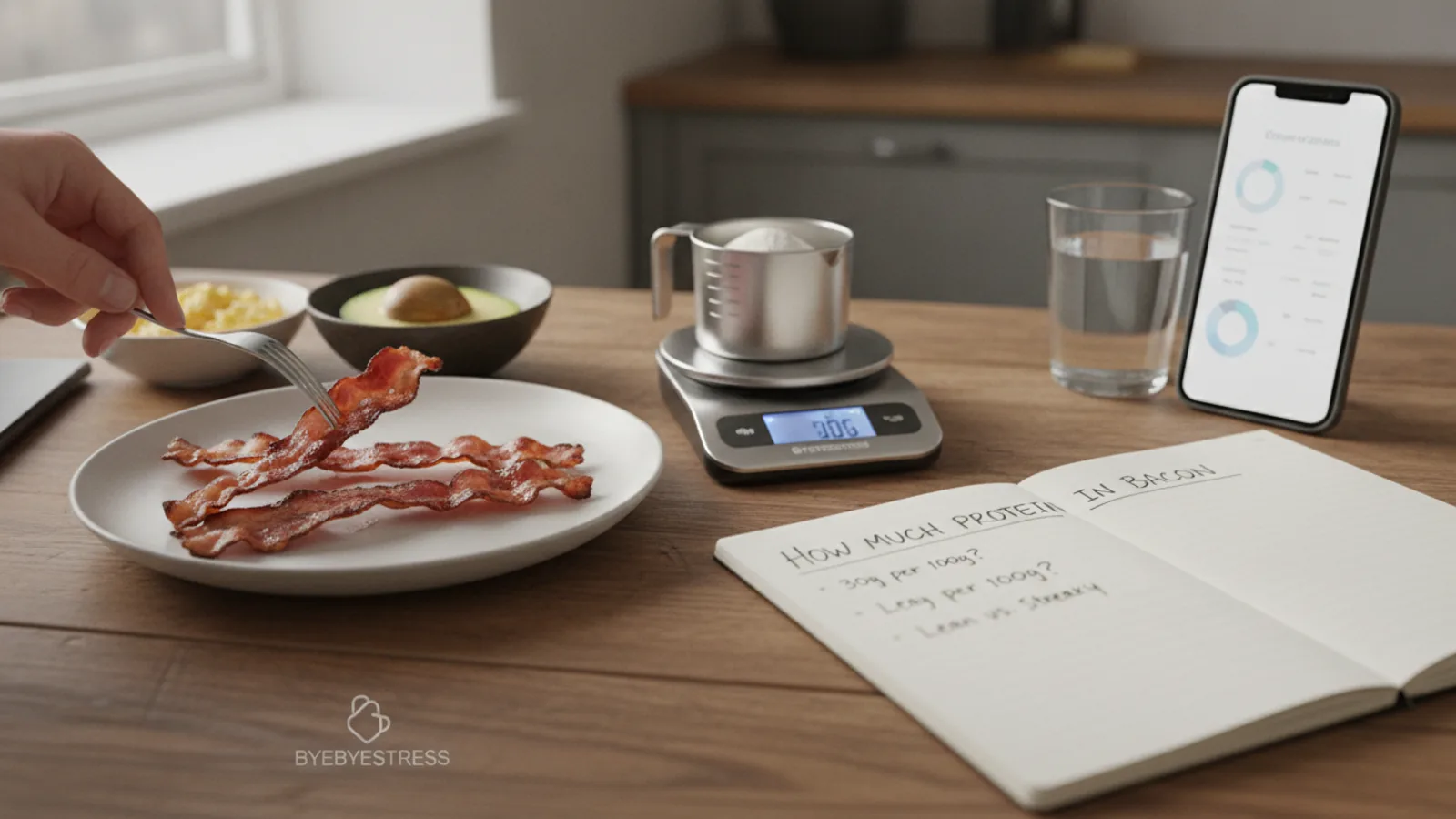
To get an accurate protein count, you need to do a little more than just count the rashers. Gathering these few items will ensure your calculation is correct and repeatable every time.
- The original packaging for your bacon (with the nutrition label).
- A digital food scale (for weighing in grams).
- A plate or bowl.
- A calculator (your phone's will work perfectly).
Step-by-Step Instructions
Follow this method to find out precisely how much protein is on your plate. We recommend weighing after cooking for the most accurate measure of what you're actually eating.
Step 1: Locate the Nutrition Information Label
First, find the nutritional table on your bacon's packaging. In the UK, this is a legal requirement and is usually found on the back of the pack. It's typically a white box with black text titled "Nutrition," "Typical Values," or "Nutritional Information." This table is the source of truth for the product you have purchased.
Step 2: Identify the Protein Value Per 100g
Within the nutrition table, look for the row labelled "Protein". Then, look for the column labelled "Per 100g". Food labels use the 100g standard to make it easy to compare different products. The number where the "Protein" row and "Per 100g" column intersect is the value we'll use for our calculation. For example, it might say 12g for raw bacon or 35g for cooked bacon.
Step 3: Distinguish Between Raw and Cooked Values
This is the most critical part. Many bacon labels provide two columns for nutritional values: one for the bacon "as sold" (raw) and another for after it has been cooked (often specified as "grilled" or "pan-fried").
Why the big difference? When you cook bacon, a large amount of fat and water renders out. A 100g portion of raw streaky bacon might shrink to just 30-40g after cooking. This process concentrates the protein. Therefore, 100g of cooked bacon has significantly more protein than 100g of raw bacon. Always match the state of your bacon (raw or cooked) to the correct column on the label.
Step 4: Cook Your Bacon as Desired
Prepare your bacon using your preferred method, whether that's grilling, pan-frying, or baking in the oven. The final protein content per gram will vary slightly based on how much fat you render. Crispier bacon has less water and fat, making it more protein-dense by weight than softly cooked bacon. Cook it to the state you intend to eat it in.
Step 5: Weigh Your Cooked Portion Accurately
Once your bacon is cooked, remove it from the pan and place it on a paper towel to drain any excess fat. Now, place your empty plate on the digital food scale and press the "Tare" or "Zero" button. This subtracts the plate's weight. Add your cooked bacon to the plate. The number displayed on the scale is the precise weight of your portion. Let's say it weighs 45g.
Step 6: Calculate the Protein in Your Serving
Now you have everything you need for a simple calculation. Use the "per 100g cooked" protein value from the label. Let's imagine the label states there are 37g of protein per 100g of cooked bacon.
The formula is: (Your Portion Weight in g / 100) x Protein per 100g
Using our example numbers:
(45g / 100) x 37g = 0.45 x 37 = 16.65g of protein.
Your serving of 45g of cooked bacon contains approximately 16.7g of protein. This method gives you a precise figure tailored to your exact portion size and cooking preference.
Step 7: Consider the Cut of Bacon
The type of bacon you choose has a major impact on its protein content. Leaner cuts have more protein and less fat per gram.
- Streaky Bacon: This comes from the pork belly and has visible layers of fat. It loses a lot of weight during cooking, but the final cooked product is protein-dense.
- Back Bacon: This is a much leaner cut from the loin, with less fat. It doesn't shrink as much, and its raw protein value is higher than streaky bacon's.
- Bacon Medallions: These are typically just the lean eye of the back bacon loin with the fatty "tail" removed. They are the highest in protein and lowest in fat.
Always check the specific label for your chosen cut, as the nutritional profile will differ significantly between them.
Quick Reference
Use this table to quickly understand how cooking and bacon type affect protein content. Values are illustrative examples; always check your specific product label.
| Situation | Use this Value | Why |
|---|---|---|
| Calculating macros for your meal diary | Per 100g (cooked/grilled) | This is the most accurate measure of the food you are consuming after fat and water have been rendered. |
| You only have raw nutritional values | Per 100g (as sold) | Weigh the bacon raw and use this value. It's less accurate for intake tracking but better than guessing. |
| You want the highest protein option | Bacon Medallions or Back Bacon | These leaner cuts have a higher protein-to-fat ratio compared to streaky bacon from the belly. |
| You're in a hurry without a scale | Per Rasher | Count your rashers and use the "per rasher" estimate from the pack. Be aware this is the least accurate method. |
Common Problems When You Calculate Bacon Protein
It's easy to make a small mistake that throws off your calculation. Here are the most common issues and how to avoid them.
Using Raw Nutrition Data for Cooked Bacon
The Problem: You weigh your 50g of cooked bacon but use the "protein per 100g raw" value (e.g., 12g) from the label. This would give you a result of 6g of protein, which is far too low.
The Fix: Always double-check that you are matching the state of the food on your scale to the correct column on the nutrition label. If you weigh it cooked, use the cooked values. If you weigh it raw, use the raw values.
Forgetting to Tare the Scale
The Problem: You place your plate on the scale, add the bacon, and use the total weight in your calculation. This accidentally includes the weight of the plate, leading to a massively inflated protein count.
The Fix: Make it a habit to always place the empty plate or bowl on the scale first, then press the "Tare" or "Zero" button. The scale should read "0 g" before you add any food.
Estimating Portion Sizes
The Problem: Relying on "two rashers" as a consistent measurement. The weight of two rashers can vary by 50% or more between packs depending on the cut and thickness.
The Fix: While "per rasher" counts are fine for a rough idea, a digital food scale is an inexpensive and essential tool for anyone serious about tracking their food intake accurately. It removes all the guesswork.
Advanced Tips for Bacon Protein Tracking
Once you've mastered the basics, these tips can help you streamline the process and gain a deeper understanding of nutrition.
Use a Nutrition Tracking App
Apps like MyFitnessPal, Cronometer, or Nutracheck allow you to scan the barcode on your bacon package. This often pulls up the exact nutritional information, including cooked values, from a large database. You can then simply enter the cooked weight of your portion (e.g., 45g) and the app will do the maths for you. This is the fastest and most reliable method for daily tracking.
Batch Cook and Calculate in Bulk
If you eat bacon regularly, save time by cooking the entire pack at once. Weigh the total amount of cooked bacon. For example, a 300g pack might yield 110g of cooked bacon. Calculate the total protein in that 110g portion. If you then divide it into four equal servings, you can simply divide the total protein by four to know the protein content of each pre-prepared portion.
Understand Protein Density
Think about why crispy bacon has more protein per gram. By cooking off more water and fat, you are left with a higher concentration of protein and other nutrients in the final product. This concept of "nutrient density" applies to many foods. A dehydrated apple slice is more sugar-dense than a fresh one, and grilled chicken breast is more protein-dense than raw chicken breast.
How Much Protein In Bacon FAQ
Here are some quick answers to other common questions about bacon and protein.
How much protein is in 2 rashers of bacon?
This varies widely. Two thin rashers of streaky bacon might provide 6-8 grams of protein when cooked. Two thick rashers of back bacon could provide 10-15 grams. The only way to know for sure is to check your specific product's label and weigh your portion.
Is bacon a good source of protein?
Bacon contains a high amount of quality protein. However, it's not considered a "lean" protein source because it is also very high in saturated fat and sodium. While it can certainly contribute to your daily protein goals, it's best enjoyed in moderation as part of a balanced diet that also includes leaner protein sources like chicken, fish, eggs, and legumes.
Does crispy bacon have more protein than soft bacon?
Yes, per gram, it does. When you cook bacon until it's very crispy, you render out more fat and evaporate more water. This makes the final product lighter but more concentrated in protein. So, 30g of crispy bacon will have more protein than 30g of softly cooked bacon from the same original pack.
How much protein is in turkey bacon?
Turkey bacon is generally leaner than pork bacon. When cooked, its protein content is often similar or slightly higher, typically around 35-45g per 100g. However, it's a very different product, often made from chopped and formed turkey meat with more additives. As always, check the label of the specific brand you buy.
Final Checklist for Calculating Bacon Protein
Before you eat, run through this quick checklist to ensure you've got the right number.
- Checked the Label: Have you found the nutritional information on the package?
- Found the "Cooked" Value: Have you identified the protein content per 100g for grilled or cooked bacon?
- Used a Scale: Have you weighed your cooked portion on a digital scale that has been zeroed out?
- Performed the Calculation: Have you used the formula (Your Weight / 100) x Protein Value to find the final amount?
- Considered the Cut: Do you understand how your choice of streaky, back, or medallion bacon affects the final protein content?