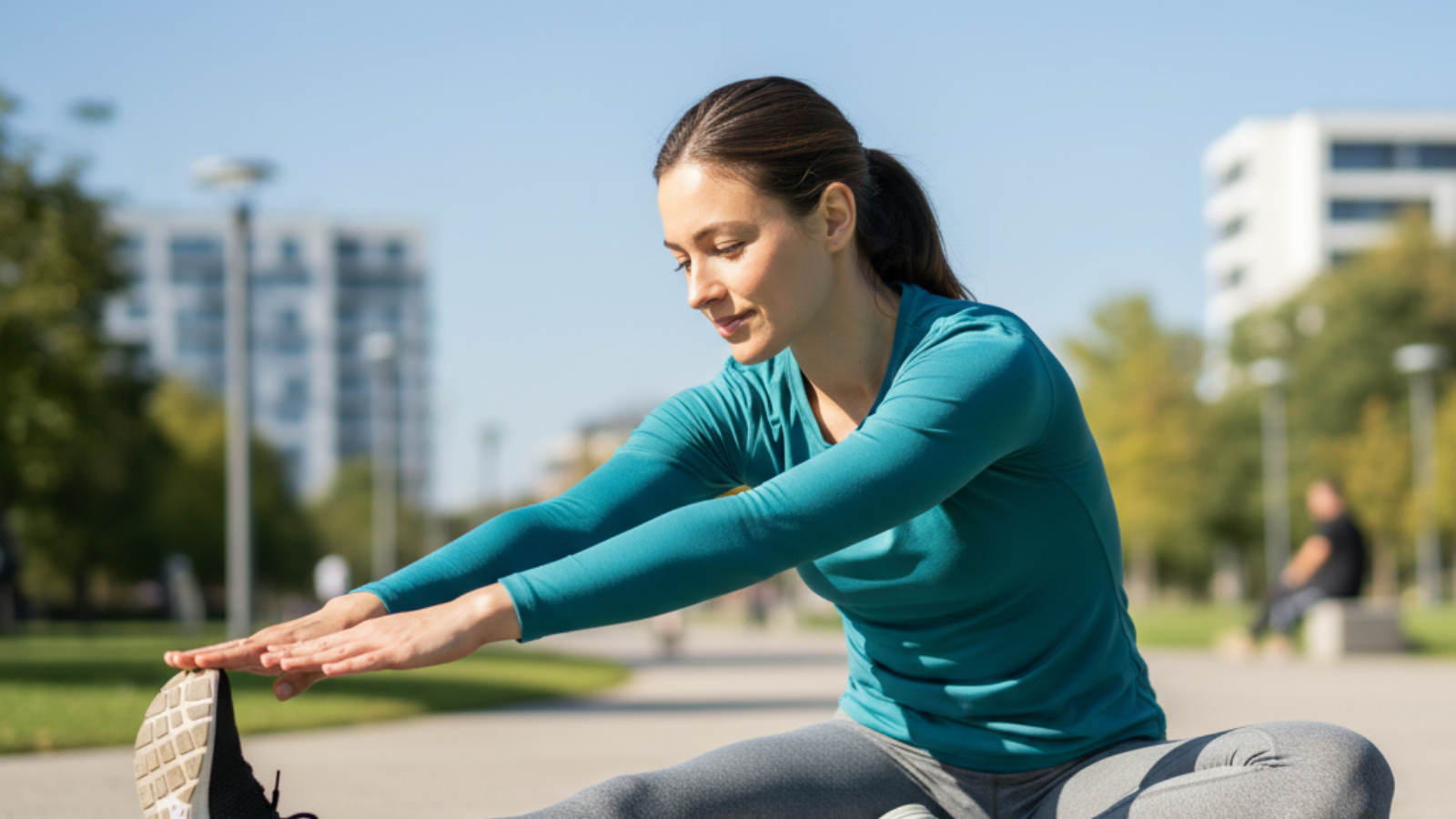
Understanding Hamstring Tightness and Why Stretching Matters
Causes of Tight Hamstrings
The hamstrings are a group of muscles at the back of your thigh. They help you bend your knee and move your hip. Many people develop tight hamstrings because they spend too much time sitting, don’t warm up properly before exercise, or skip stretching. Sports like running and soccer can also make your hamstrings tight.
Benefits of Regular Hamstring Stretching
- Improves flexibility so you can move more easily
- Reduces the risk of injury during sports or daily activities
- Lowers muscle soreness after exercise
- Helps with better posture and reduces back pain
- Allows you to perform better in sports and physical activities
Quick Self-Test: Do You Have Tight Hamstrings?
- Lie flat on your back with your legs straight.
- Keep one leg on the ground and slowly raise the other leg up, keeping it straight.
- If you cannot raise your leg more than 70 degrees from the ground without bending your knee or feeling tightness behind your thigh, your hamstrings may be tight.
Static vs. Dynamic Hamstring Stretching: Which Should You Choose?
Static Stretching Explained
Static stretching means holding a stretch for 15-30 seconds without moving. It helps lengthen muscles and improve flexibility. Examples include reaching for your toes or holding your leg up while lying down.
Dynamic Stretching Explained
Dynamic stretching involves moving parts of your body through a full range of motion, often in a controlled way. Examples are leg swings and walking toe touches. Dynamic stretches are good for warming up and preparing your muscles for activity.
When and Why to Use Each Method
- Use static stretches after exercise to help relax muscles and improve flexibility.
- Use dynamic stretches before activity or sports to increase blood flow and warm up your muscles.
- Do not do static stretches on cold muscles to avoid injury.
How to Stretch Hamstring Safely: Step-by-Step Stretches
Standing Hamstring Stretch
- Stand tall with your feet hip-width apart.
- Put one foot a step forward with your heel on the ground and toes pointing up.
- Bend your back knee slightly and lean forward from your hips, keeping your back straight.
- Reach toward your front toes until you feel a gentle stretch along the back of your thigh.
- Hold for 20-30 seconds, then switch legs.
Seated Forward Fold
- Sit with both legs straight in front of you.
- Keep your back straight and flex your feet so your toes point up.
- Inhale, lengthen your spine, and as you exhale, slowly bend forward at your hips.
- Reach toward your toes, but only go as far as you can feel a stretch in your hamstrings.
- Hold for 20-30 seconds, breathing slowly, then return to sitting.
Lying (Supine) Strap Stretch
- Lie on your back with your legs extended.
- Place a towel, yoga strap, or belt around the ball of one foot.
- Hold both ends of the strap and gently pull your leg up, keeping it straight.
- Stop when you feel a stretch at the back of your thigh.
- Hold 20-30 seconds, switch legs, and repeat.
Wall-Assisted Hamstring Stretch
- Lie on your back next to a wall or door frame.
- Place one leg up the wall, keeping the other leg flat on the floor.
- Scoot closer to the wall until you feel a stretch in your raised leg.
- Hold the stretch for 20-30 seconds, then switch legs.
Yoga-Based Hamstring Stretches (e.g., Downward Dog, Triangle Pose)
- Downward Dog: Start on hands and knees, lift hips toward the ceiling, and try to straighten your legs while pressing heels toward the ground.
- Triangle Pose: Stand with feet wide apart, turn one foot out, and reach that arm forward and then down to your shin or ankle, keeping your legs straight.
- Hold each yoga pose for 20-30 seconds, breathing deeply.
Dynamic Hamstring Warm-ups (e.g., Leg Swings, Walking Toe Touches)
- Leg Swings: Stand next to a wall for balance. Swing one leg forward and back, keeping it straight. Do 10-15 swings per leg.
- Walking Toe Touches: Walk forward, lifting one leg straight in front of you each step. Reach your opposite hand toward your toes. Switch legs every step, and do 10 per side.
Sport- and Lifestyle-Specific Hamstring Stretches
Best Hamstring Stretches for Runners
- Standing hamstring stretch after runs helps reduce tightness.
- Lying strap stretch to lengthen hamstrings after intense running.
- Add dynamic leg swings before you run to warm up.
Hamstring Stretch Modifications for Desk Workers
- Stand up every hour and do a gentle standing hamstring stretch.
- Try the wall-assisted stretch if you sit a lot to prevent stiffness.
Hamstring Flexibility for Yoga and Pilates Enthusiasts
- Regularly include hamstring-focused poses like Downward Dog and Triangle.
- Practice seated forward folds at the start and end of your yoga session.
Hamstring Stretching Tips: Frequency, Form, and Common Mistakes
How Often Should You Stretch Your Hamstrings?
- Ideally, stretch hamstrings at least 3-5 times a week.
- Consistency is more important than intensity.
Proper Technique and Breathing for Maximum Effectiveness
- Move slowly into each stretch. Never bounce or force the movement.
- Keep your back straight. Avoid rounding your spine in forward folds.
- Breathe deeply and relax your muscles as you hold each stretch.
Common Mistakes and How to Avoid Them
- Stretching cold muscles – always do a short warm-up first.
- Forcing or bouncing in stretches, which can lead to injury.
- Holding your breath instead of breathing slowly and deeply.
Troubleshooting: Why Isn’t My Hamstring Flexibility Improving?
- You may need to stretch more regularly.
- Try different types of stretches, as muscles can adapt.
- Check your form—incorrect posture or rushed breathing delays progress.
- Be patient. Flexibility takes time and practice to develop.
Safety First: When NOT to Stretch Your Hamstrings
Injury Red Flags (When to Avoid Stretching)
- Sharp or sudden pain in the back of your thigh – stop immediately.
- Recent hamstring tear or severe muscle strain – avoid stretches until healed.
- Swelling, bruising, or loss of muscle strength – seek professional advice first.
Consulting with a Professional
- Talk to a doctor or physical therapist if you have an injury or consistent pain.
- If unsure about your technique, ask a qualified coach or fitness instructor for help.
Building a Hamstring Stretching Routine That Lasts
Sample Printable Hamstring Stretch Chart
| Stretch Name | How Long to Hold | How Many Times | When To Do |
|---|---|---|---|
| Standing Hamstring Stretch | 20-30 sec/leg | 2-3x/leg | After exercise/daily |
| Seated Forward Fold | 20-30 sec | 2-3x | After exercise |
| Lying Strap Stretch | 20-30 sec/leg | 2x/leg | After sport/yoga |
| Dynamic Leg Swings | 10-15 reps/leg | 1x | Before activity |
Tips for Making Stretching a Lasting Habit
- Attach it to an existing habit, like after brushing teeth or finishing homework.
- Set reminders on your phone to stretch every day.
- Track your progress by marking off days on a calendar.
- Stretch together with friends or family for motivation.
How to Progress and Track Your Flexibility Gains
- Test your hamstring flexibility each month using the quick self-test.
- Notice if you can stretch further or hold positions longer with less discomfort.
- If flexibility improves, carefully add new stretches or increase hold time.
Frequently Asked Questions about How to Stretch Hamstring
- Q: How long until I see results from stretching?
A: Most people notice small improvements in 2-4 weeks with regular practice. - Q: Should stretching hurt?
A: No. You should feel a gentle pull, not pain. If you feel pain, stop immediately. - Q: Is it safe to stretch every day?
A: Yes, if you stretch gently and avoid pushing into pain. - Q: Can I stretch if I am sore from working out?
A: Gentle stretching can help, but listen to your body and skip stretching if sore muscles hurt more.
Summary: Key Points and Next Steps
- Hamstring stretching improves flexibility, reduces injury risk, and helps with posture.
- Use both static and dynamic hamstring stretches for best results.
- Follow safe, step-by-step instructions and avoid common mistakes.
- Stretch regularly, listen to your body, and consult a professional when needed.
- Make stretching a healthy habit to see lasting gains in flexibility and movement.
Start your hamstring stretching journey today for better movement and fewer injuries!