
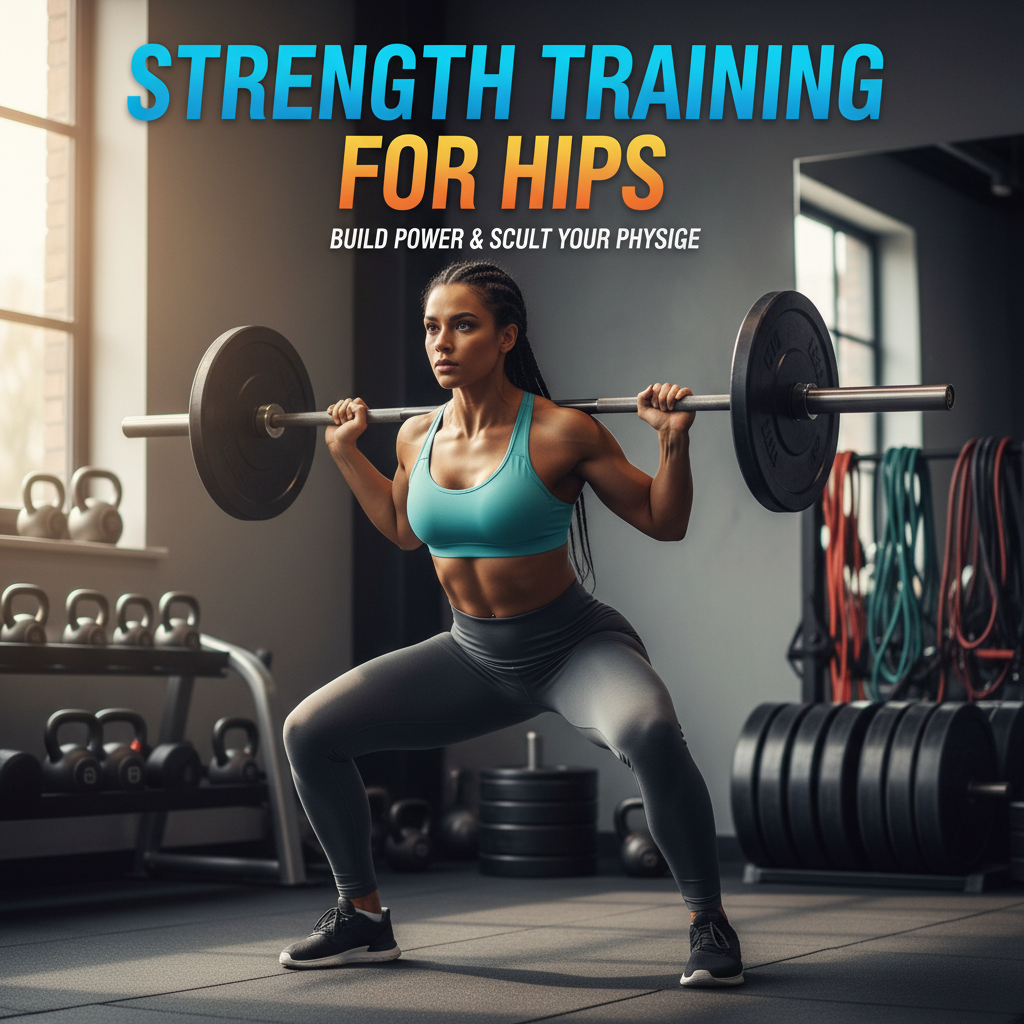
Why Strength Training for Hips Matters in 2026
Key Benefits for Everyday Life, Sports, and Longevity
Strong hips are vital for everyone. They help you walk, run, jump, and even sit comfortably. Hip strength boosts sports performance, reduces the chance of injuries, and supports you as you age. In daily life, powerful hips improve balance, make movements easier, and protect your back and knees.
Latest Research and Trends in Hip Strengthening
Modern studies in 2026 highlight that hip strength can reduce injuries by up to 30%. Top trends include resistance band training, functional movements, and hybrid mobility-strength routines. Experts now focus on hip strength for both athletes and people healing from injuries.
Understanding Hip Anatomy and Function
Muscles Involved in Hip Strength (Glutes, Abductors, Flexors, and More)
Your hips include many muscles. The main ones are the glutes (buttocks), abductors (outer hip), adductors (inner thigh), flexors (front hip), and extensors (back of hip). Together, these muscles stabilize your body, allow flexible movement, and give you power for sports and daily tasks.
Common Issues from Weak Hips
Weak hips can cause knee pain, lower back pain, poor balance, and bad posture. You may also notice tight hip flexors, which limit how you move. Everyday tasks like climbing stairs or standing become harder with weak hips.
Getting Started: Pre-Assessment and Warm-Up for Hip Strength Training
Self-Assessment Checklist for Hip Strength and Mobility
- Can you balance on one leg for 30 seconds?
- Is it easy to stand up from a chair without using your hands?
- Can you squat down and stand up smoothly?
- Do you feel pain or tightness when moving your hips?
If you answer “no” or feel weak doing any of these, you may need hip strength training.
Dynamic Warm-Up Routine: Step-by-Step
- Leg swings (front to back, side to side) – 10 reps each
- Hip circles – 10 reps each way
- Bodyweight squats – 10 reps
- Walking lunges – 10 steps per leg
- Glute bridges – 10 reps
Perform this routine before each training session to prepare your hips.
Tailored Hip Strengthening Protocols for Different Goals
Hip Strength for Athletes: Power and Performance
- Focus on explosive moves: jump squats, power lunges, and resistance band sprints.
- Use moderate to heavy resistance for short reps (6-10 per set).
- Train 3 times per week for best results.
Hip Rehab and Injury Prevention (Physio-Approved)
- Start with gentle, controlled moves: clamshells, side-lying leg lifts, and mini bridges.
- Use high repetitions (15-20 per set) with low resistance.
- Perform exercises 3-4 times per week, focusing on form.
Functional Fitness and Everyday Movement
- Include squats, lunges, stair steps, and standing hip abductions.
- Do moderate reps (10-15), 2-3 times a week.
- Add bands or light weights as you progress.
Top Strength Training Exercises for Hips: Step-by-Step Instructions
Hip Bridges and Advanced Variations
- Lie on your back, knees bent, feet flat. Lift hips until your body forms a line from shoulders to knees. Hold 2 seconds, lower slowly.
- Advanced: Make it harder by lifting one leg, adding a weight over hips, or pulsing at the top.
Clamshells and Abductor Moves
- Lie on side, knees bent, legs stacked. Keep feet together and lift top knee upward without moving pelvis. Lower slowly.
- Add a resistance band around your knees for more challenge.
Squats and Lunge Progressions for Hip Strength
- Squats: Stand feet shoulder-width apart. Lower hips back and down, keeping chest up. Push through heels to stand.
- Lunges: Step one leg forward, lower until both knees bend to about 90°, return to start. Switch legs each rep.
- Progress to jump squats or walking lunges with weights.
Hip Flexor and Extensor Drills
- Standing knee raise: Bring knee up toward chest, pause, and lower. Alternate legs.
- Donkey kicks: On hands and knees, lift one heel up, keeping knee bent, then lower. Switch sides.
Bonus: Best Resistance Band and Weighted Hip Exercises
- Band walk: Place band around legs just above knees. Walk sideways, keeping hips low.
- Weighted hip thrust: Use a barbell or dumbbell over hips, push up as in a bridge, then lower with control.
Progressive 4-Week Hip Strength Training Program (2026 Edition)
Program Structure: Sets, Reps, Frequency, and Deloads
| Week | Sets | Reps | Frequency | Plan |
|---|---|---|---|---|
| 1 | 2 | 10-12 | 3x/week | Basic moves, focus on form |
| 2 | 3 | 10-15 | 3x/week | Add resistance band/light weight |
| 3 | 3 | 12-15 | 4x/week | Include advanced variations |
| 4 | 2 | 8-10 | 3x/week | Deload, focus on quality |
Weekly Plans for Each Training Goal
- Athlete: Power focus, heavier weights, include jumps.
- Rehab: Controlled, slow exercises, high reps, low resistance.
- Everyday fitness: Mix of bodyweight and bands, regular daily moves.
Printable Progress Tracker
| Exercise | Sets | Reps | Date | Notes |
|---|---|---|---|---|
Injury Prevention, Troubleshooting, and Common Mistakes
Expert Tips from Physical Therapists and Trainers
- Always warm up before training.
- Start light, build up gradually.
- Focus on good form, not speed or weight.
How to Avoid Hip Pain and Overuse Injuries
- If you feel sharp pain, stop and check your form.
- Take rest days to let your muscles recover.
- Alternate exercises to avoid stress on the same area.
Correcting Poor Form: Visual Demos and DIY Video Suggestions
- Watch trusted YouTube channels for step-by-step exercise demos.
- Film yourself and compare with expert videos.
- Ask a coach or friend to check your technique.
Maximizing Results: Lifestyle, Recovery, and Mobility Habits
Daily Practices for Hip Health at Home and Work
- Stand and move frequently if sitting long hours.
- Do simple stretches (like standing hip circles) during breaks.
- Practice good posture.
Best Recovery Techniques and Tools
- Use a foam roller or massage ball on hip muscles after training.
- Try gentle stretches and yoga for relaxation.
- Get regular, deep sleep for muscle repair.
FAQ: Strength Training for Hips in 2026
Who Should Prioritize Hip Strength?
Athletes, seniors, people with knee or back issues, and anyone who sits a lot should focus on hip strength. It benefits all ages and activity levels.
How Long to See Results?
Most people notice improvements in 4-6 weeks, especially with regular, focused training.
Can You Train Hips Every Day?
Light hip mobility work is safe daily, but heavy strength training needs rest days (2-4 times per week is best).
Signs You’re Progressing
- Movements feel easier and stronger.
- You can add resistance or reps each week.
- Pain and stiffness decrease.
Resources for Further Learning and Support
Recommended Apps, Books, and Channels
- Apps: “StrongLifts”, “Nike Training Club”, “Yoga for Hips”
- Books: “Becoming a Supple Leopard”, “The Glute Lab”
- Channels: Athlean-X, Mind Pump, Jeff Nippard
Finding Qualified Hip and Mobility Experts Near You
- Search for certified physical therapists or strength coaches in your area.
- Ask your doctor or school sports staff for recommendations.
- Check local gyms for trainers with experience in hip strength and injury prevention.
